




How to Choose the Best Running Sneakers
Choosing the right pair of running sneakers is a deeply personal decision. Unlike casual footwear, running shoes must accommodate your unique biomechanics, running style, and the surfaces you train on. A shoe that works perfectly for one runner could be a nightmare for another. This guide will help you navigate the key factors to ensure you make an informed purchase.
1. Understand Your Foot Type and Gait
Before you even look at a shoe, you need to understand how your foot interacts with the ground. The three main foot types are:
- Neutral Pronation: Your foot lands on the outside of the heel and rolls inward slightly to absorb shock. This is the most common and efficient gait. You can wear a wide variety of shoes, from neutral cushioned to mild stability models.
- Overpronation: Your foot rolls inward excessively, which can lead to injuries like shin splints and plantar fasciitis. If you have flat feet or low arches, you likely overpronate. You'll benefit from running shoes with arch support and a wide toe box or stability shoes that control the inward roll.
- Supination (Underpronation): Your foot rolls outward, placing stress on the outer edge of your foot. This is less common. You'll need neutral, highly cushioned shoes that encourage inward rolling.
If you're unsure, visit a specialty running store for a gait analysis. They can record you running on a treadmill and recommend the right category of shoe. For those with flat feet, checking out our guide on running shoes with arch support for flat feet can provide specific recommendations.
2. Cushioning: How Much Do You Need?
Cushioning is the foam or gel layer between your foot and the ground. It absorbs impact and provides comfort. The right amount depends on your weight, running surface, and personal preference.
- Maximal Cushioning: Ideal for long-distance runners, heavier runners, or those who run on hard concrete. These shoes offer plush comfort but can feel less responsive. They are a great choice for comfortable shoes for walking on concrete all day.
- Moderate Cushioning: The sweet spot for most runners. It offers a balance of comfort and responsiveness, suitable for daily training and various distances.
- Minimal Cushioning: Favored by experienced runners who want to feel the ground for a more natural stride. This category includes racing flats and minimalist shoes. It requires a gradual transition to avoid injury.
3. Support and Stability
Support features help control excessive pronation. Stability shoes incorporate a firmer foam on the inner side of the midsole (medial post) or guide rails to keep your foot aligned. If you have flat feet or overpronate, a stability shoe is often recommended. However, if you just need some extra arch support, a neutral shoe paired with a good insole might suffice. For those who also need to stand for long periods, you might find our guide on sneakers with good support for standing all day useful.
4. The Right Fit is Non-Negotiable
A running shoe should fit snugly but not tightly. Here are a few tips:
- Size Up: Your feet swell during a run. Choose a running shoe that is a half-size to a full-size larger than your casual shoes.
- Toe Box: You need at least a thumb's width of space between your longest toe and the front of the shoe. A wide toe box allows your toes to splay naturally, which improves stability and comfort. Look for shoes with a wide toe box and narrow heel for a secure fit.
- Heel Lock: Your heel should be locked in place without slipping. Use the top eyelets (heel lock lacing) to secure your heel if needed.
- Width: Most brands offer standard and wide widths. If you have wide feet, standard shoes can cause blisters and black toenails. Always try on the wide version. For men, men's wide sneakers are readily available online. For women, options like sports shoes for women in wide widths are also available.
5. Terrain and Purpose
Where will you be running?
- Road Running: Your typical running shoe. They have smooth outsoles for pavement and are designed for forward motion.
- Trail Running: These have more aggressive lugs for grip on dirt, rocks, and mud. They also offer more protection from debris and often have a rock plate. If you run in wet conditions, you'll need waterproof shoes for women or men's versions.
- Winter Running: For cold, snowy, and icy conditions, you need shoes with thermal properties and enhanced traction. Our guide on winter running shoes covers this in detail.
6. Price vs. Value
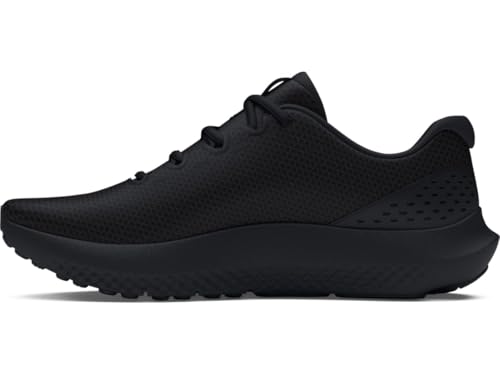
Running sneakers can range from $70 for a basic model to over $250 for advanced carbon-plated racing shoes. The most expensive shoe is not always the best for you. A good pair of daily trainers will typically cost between $120–$160. It's wise to invest in quality, as a good shoe will last 300-500 miles. However, you can find excellent value in previous models. For those on a budget, looking for cheap sandals isn't the answer—instead, focus on last season's running shoe models, which offer great performance at a discount. If you're looking for something versatile that can be used for running and casual wear, you might like all-black sneakers for a sleek look, or cool sneakers for a more stylish vibe. For those who love a pop of color, hot pink sneakers can be a fun choice.
7. When to Replace Your Running Sneakers
Most running shoes last for 300 to 500 miles (roughly 480 to 800 kilometers). Signs it's time for a new pair include:
- Visible wear on the outsole tread.
- Wrinkled or compressed midsole foam.
- A feeling that the shoe has "bottomed out" or lost its bounce.
- Aches and pains in your feet, knees, or hips that weren't there before.
Rotating between two pairs of running shoes can extend their life and reduce injury risk. If you're also looking for comfortable options for other activities, check out our guides on walking shoes with arch support and comfortable supportive shoes for standing all day.