
Gym Shoes: The Ultimate Guide to Training Footwear
Whether you're lifting heavy, doing HIIT, or cross-training, the right gym shoes provide the stability, support, and durability you need to perform at your best. Learn how to choose the perfect pair for your workout routine.
START EXPLORINGShoesTruth Philosophy: Your gym shoes are your foundation. Unlike running shoes that prioritize cushioning, gym shoes focus on stability, lateral support, and durability. The right pair can improve your form, prevent injury, and enhance your performance across every type of workout.
Recommended Gym Shoes for Training & Performance
⚠️ AFFILIATE DISCLOSURE: This website contains affiliate links. As an affiliate Associate, we earn from qualifying purchases. If you make a purchase through these links, we may receive a small commission at no additional cost to you. Read our full affiliate policy.

Under Armour Men's Charged Assert 10 Shoes, (002) Black/Black/Black, 11
Check price on Amazon
YRLTYO Mens Tennis Shoes Running Sneaker Slip On Walking Shoe Black Size 12 | Gym Workout丨Athletic丨Breathable Material丨Lightweight丨Jogging丨Casual Sport丨Non Slip
Check price on Amazon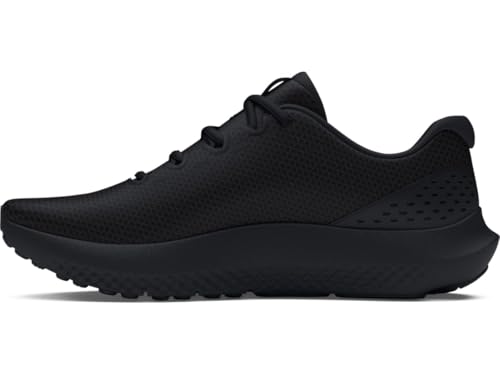
Under Armour Men's Charged Surge 4, 002 Black, 10.5
Check price on Amazon
Under Armour Men's Charged+ Assert 11, 002 Black, 10.5
Check price on Amazon
New Balance Women's 608 V5 Casual Comfort Cross Trainer, White/Light Blue, 7.5 Wide
Check price on Amazon
White Sneakers for Women Men Tennis Shoes Running White Women 8/ Men 6.5
Check price on Amazon
Under Armour Men's Charged Assert 10 Shoes, (001) Black/Black/White, 10.5
Check price on Amazon
Nike Air Monarch IV (4E) Black/Black, SIZE 9.5
Check price on AmazonWhy You Need Dedicated Gym Shoes
Walking into the gym wearing running shoes is one of the most common mistakes fitness enthusiasts make. Running shoes are designed for forward motion with soft, cushioned soles. However, when you perform strength training, lateral movements, or explosive exercises, those soft soles become a liability. They compress under weight, lack lateral stability, and can lead to ankle rolls or knee strain.
Dedicated gym shoes are engineered with firmer midsoles, wider bases, and durable outsoles that grip the floor. For lifting, a stable heel prevents your foot from rocking. For HIIT and cross-training, you need a balance of flexibility and support. Understanding proper fit measurement is the first step toward finding shoes that work with your foot mechanics, not against them.
If you're new to fitness, a good pair of comfortable sneakers for standing all day can double as gym shoes, but if you're serious about performance, investing in specialized footwear is essential. For those who spend long hours on their feet outside the gym, exploring comfortable shoes for people who stand all day can also inform your choice of training footwear.
Types of Gym Shoes: Which One Is Right for You?
Not all gym shoes are created equal. The type of training you do determines the features you need most. Here are the main categories:
Weightlifting Shoes
These shoes feature a raised, solid heel (usually 0.5 to 1 inch) and a non-compressible sole. They are ideal for squats, deadlifts, and Olympic lifts because they improve ankle mobility and provide a stable base. Look for shoes with metatarsal straps and a firm heel counter. If you have foot conditions like plantar fasciitis, consult a specialist before choosing a raised heel design.
View Products →Cross-Training Shoes
These are the most versatile gym shoes. They offer a balance of stability for lifting and flexibility for running, jumping, and lateral movements. Cross-trainers typically have a slightly raised heel, a wide toe box, and durable rubber outsoles. They are perfect for HIIT, circuit training, and functional fitness. If you have wide feet, check out our guide on walking shoes for wide feet women for additional fit insights.
View Products →Minimalist & Barefoot Training Shoes
These shoes have a zero-drop sole, meaning the heel and toe are at the same height. They promote natural foot movement and strengthen your foot muscles. They are great for deadlifts, balance training, and functional workouts, but may not be suitable for beginners or those needing arch support. For added comfort, consider arch support inserts for flat shoes.
View Products →Key Features to Look For in Gym Shoes
When shopping for gym shoes, pay attention to these critical features to ensure you get the best value and performance:
- Stability & Support: A firm heel and a wide base prevent your foot from rolling during heavy lifts or lateral movements. Look for shoes with a TPU heel counter or a stable midsole.
- Outsole Grip: A rubber outsole with a herringbone or multi-directional tread pattern provides excellent traction on gym floors, turf, and rubber mats. For general comfort, see our guide on comfortable slip-resistant shoes.
- Cushioning vs. Firmness: For lifting, you want a firm, non-compressible sole. For cardio and HIIT, a moderate amount of cushioning is acceptable. Avoid overly soft running shoes for strength work.
- Breathability: Mesh uppers allow air to circulate, keeping your feet cool and dry during intense workouts. This is especially important if you're prone to sweaty feet or train in a hot gym.
- Durability: Gym shoes take a beating. Look for reinforced toe caps, durable stitching, and abrasion-resistant materials. Proper care, such as using shoe storage covers and regular cleaning, can extend their lifespan.
- Fit: Your gym shoes should fit snugly but allow room for your toes to splay. Always try shoes on at the end of the day when your feet are slightly swollen. If you have specific foot conditions, like overpronation, choose shoes with added stability features.
How to Choose the Right Gym Shoes for Your Workout
Your workout routine should dictate your shoe choice. Here’s a simple breakdown:
For Powerlifting & Weightlifting: Prioritize stability above all else. A raised heel and a hard, non-compressible sole are non-negotiable. Brands like Nike, Adidas, and Reebok offer dedicated weightlifting shoes. If you have foot pain, you may also want to explore plantar fasciitis insoles for additional support.
For CrossFit & HIIT: You need a hybrid shoe that can handle lifting, running, and jumping. Look for a shoe with a slightly raised heel, a flexible forefoot, and a durable outsole. The Nike Metcon and Reebok Nano are popular choices in this category. For those who also enjoy outdoor runs, a pair of men's running shoes might be a useful secondary option.
For General Fitness & Treadmill Work: If your gym routine is mostly cardio machines and light weights, a comfortable pair of cross-trainers or even comfortable shoes for women with arch support will suffice. Just avoid running shoes for heavy lifting.
If you're unsure about your foot type, consider visiting a specialty running store for a gait analysis. Understanding whether you have flat feet, high arches, or neutral arches will guide you toward the right shoe. For those with flat feet, comfortable shoes for flat feet can make a significant difference in comfort and performance.
Gym Shoe Care and Maintenance
To get the most out of your gym shoes, proper care is essential. Here are some tips:
- Clean them regularly: Wipe down the uppers with a damp cloth after each workout to remove sweat and dirt. For deeper cleaning, refer to our guide on leather cleaning if your shoes have leather accents.
- Air them out: Never leave damp shoes in your gym bag. Let them air dry completely to prevent odor and bacteria growth. If odor persists, consider odor control products.
- Replace insoles: If your insoles wear out, replace them with fresh ones. This is an easy and affordable way to extend the life of your shoes. You can also explore insole replacement options for custom comfort.
- Check for wear: Inspect the outsoles for uneven wear. If the tread is worn down, it's time for a new pair. Worn-out shoes can lead to injuries. For repair options, look into heel repair or sole replacement.
- Rotate your shoes: If you train frequently, consider rotating between two pairs of gym shoes. This gives each pair time to decompress and dry out, extending their lifespan. For more tips, see our guide on long-lasting shoes.
Budget and Value: How Much Should You Spend?
Gym shoes range widely in price, from budget-friendly options to premium performance models. Here’s a general idea of what to expect:
- Budget-Friendly ($50–$90): These shoes offer basic support and are suitable for light training, treadmill work, and general fitness. They may not have the durability or advanced features of higher-end models.
- Mid-Range ($90–$150): This is the sweet spot for most gym-goers. You'll find cross-trainers and weightlifting shoes with good stability, durability, and comfort features.
- Premium ($150–$250+): These shoes are designed for serious athletes and feature advanced materials, superior stability, and enhanced durability. They are an investment in your performance and foot health.
Consider your training intensity and frequency when deciding on a budget. If you train 4-5 times a week, investing in a mid-range or premium pair is worth it for the longevity and performance benefits. If you're just starting out, a budget-friendly cross-trainer is a great entry point. For those looking for deals, check out shoe sale events or explore financing options for premium footwear.
Final Thoughts: Invest in Your Foundation
Your gym shoes are more than just footwear; they are the foundation of your workout. The right pair can improve your stability, enhance your performance, and reduce your risk of injury. Take the time to understand your workout needs, try on different styles, and choose a shoe that feels comfortable and supportive from the first wear.
Whether you're a powerlifter, a CrossFit enthusiast, or a casual gym-goer, there is a perfect pair of gym shoes for you. Use this guide to make an informed decision, and remember that the best shoe is the one that fits your foot and your fitness goals. If you're still exploring options, our shoes starter hub is a great place to begin your journey. For those who need extra support, consider orthopedic shoes or consult a podiatrist for personalized advice.