Cross-Training Shoes: The Hybrid Solution
Explore the best cross-training shoes that handle lifting, running, and everything in between. Learn how they compare to dedicated gym trainers.
Read More →
Stop guessing and start lifting. Discover how to choose the perfect gym trainers for stability, comfort, and performance across every workout.
See Top PicksWhy the right gym trainer matters: Your workout shoes are the foundation of every rep, sprint, and jump. The wrong pair can lead to instability, foot fatigue, and even injury. This guide breaks down exactly what to look for so you can buy with confidence.
⚠️ AFFILIATE DISCLOSURE: This website contains affiliate links. As an affiliate Associate, we earn from qualifying purchases. If you make a purchase through these links, we may receive a small commission at no additional cost to you. Read our full affiliate policy.

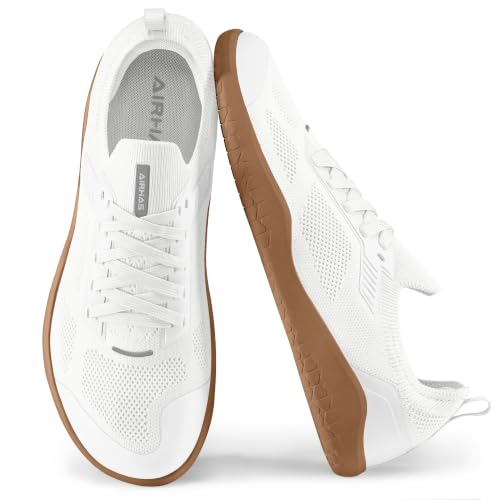


For weightlifting and strength training, a firm heel and wide base are essential. Look for trainers with a dense midsole and minimal cushioning to keep you grounded under heavy loads. A stable shoe prevents your ankles from rolling during squats and deadlifts.
Expect: $80–$180For HIIT, treadmill running, and cardio, you need responsive cushioning that absorbs impact and returns energy. Look for EVA or TPU foam midsoles. A balance between softness and energy return keeps you comfortable through long sessions.
Expect: $70–$160A snug heel with a roomy toe box is the gold standard. Your foot should not slide forward when moving laterally. Breathable mesh uppers prevent overheating and blisters, while reinforced overlays add durability in high-wear zones.
Expect: $60–$150Gym floors vary—from rubber mats to polished wood. A non-marking rubber outsole with a multidirectional tread pattern provides grip for lateral movements, pushes, and sled work. For outdoor use, consider a slightly more aggressive tread.
Expect: $65–$170Prioritize a hard, flat sole with a slight heel raise for squats. Minimal cushioning is key. Shoes like dedicated lifters or flat-soled trainers give you the stability to move heavy weight safely.
You need a hybrid shoe that balances stability and cushioning. Look for a slightly wider base for lateral support, a responsive midsole for jumping, and a durable outsole for rope climbs and sled pushes.
If your gym time is mostly running or walking, prioritize cushioning and breathability. A lighter, more flexible trainer with good energy return will keep you comfortable mile after mile.
For yoga, pilates, and light lifting, a flexible, low-profile trainer works best. It allows natural foot movement while providing enough grip for mats and studio floors.
Solid entry-level options from brands like Decathlon or Amazon Basics. Great for occasional gym-goers or those testing the waters.
$40–$70The sweet spot for most people. Brands like Nike, Adidas, Reebok, and Under Armour offer excellent tech and durability at this price.
$70–$130Top-tier materials, advanced foams, and specialized designs for serious athletes. Brands like Nobull, TYR, and flagship models from major brands.
$130–$200+Explore the best cross-training shoes that handle lifting, running, and everything in between. Learn how they compare to dedicated gym trainers.
Read More →Need safety and performance? Discover steel toe sneakers that meet safety standards while still being comfortable for active jobs and light workouts.
Read More →If you have flat feet, the right gym trainer can make a huge difference. Learn about motion control, arch support, and the best options for your workouts.
Read More →The information provided on ShoesTruth is for educational and informational purposes only. We are not professional footwear specialists or cobblers, and our content should not replace professional advice. Always consult with a qualified expert regarding fit, safety, or material-related concerns. Some content may use AI assistance. Always check product warranties and safety standards before purchasing. If you do not agree, please do not use this website. Read the full disclaimer.