
Shoes for Flat Feet: The Ultimate Guide to Comfort & Support
Stop living with foot pain. Discover how the right footwear can transform your daily comfort, improve your stride, and alleviate the discomfort caused by flat feet.
VIEW TOP RECOMMENDATIONSUnderstanding Flat Feet and Why Footwear Matters
Flat feet, also known as fallen arches or pes planus, is a condition where the arches of your feet are flattened, causing the entire sole to come into contact with the ground when standing. While some people with flat feet experience no pain, many suffer from discomfort, overpronation, and alignment issues that can affect the entire body, from the ankles up to the lower back.
The right pair of shoes for flat feet can make a world of difference. They provide the necessary arch support, control excessive inward rolling (overpronation), and cushion the impact of each step. Without proper support, flat feet can lead to conditions like plantar fasciitis, shin splints, and knee pain. Investing in quality footwear is not just about comfort—it's about protecting your long-term mobility and joint health.
Key Takeaway: Look for shoes with firm heel counters, ample arch support, and motion control features to counteract overpronation. Stability is your priority.
Best Shoes for Flat Feet & Arch Support
⚠️ AFFILIATE DISCLOSURE: This website contains affiliate links. As an affiliate Associate, we earn from qualifying purchases. If you make a purchase through these links, we may receive a small commission at no additional cost to you. Read our full affiliate policy.

Skechers Men's Go Walk Arch Fit Engineered Mesh Lace Up Sneaker, Charcoal/Orange, 11 X-Wide
Check price on Amazon
Brooks Mens Adrenaline GTS 25, Primer Grey/Ebony/Jasmin 9.5 Wide
Check price on Amazon
New Balance Women's 608 V5 Casual Comfort Cross Trainer, White/Light Blue, 9 Wide
Check price on Amazon
ZAIWOO Wearable Arch Support Inserts for Women & Men – 2 Adjustable Heights
Check price on Amazon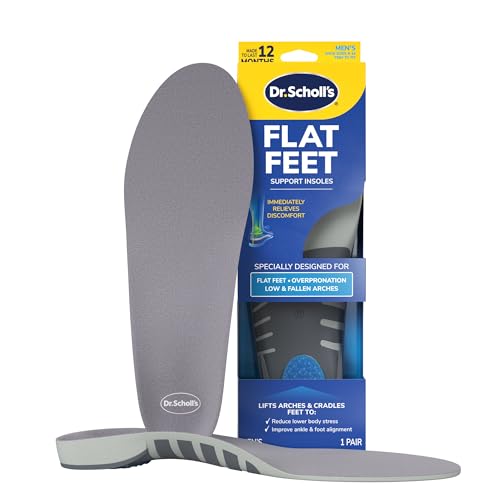
Dr. Scholl’s Flat Feet Support Insoles for Men, Size 8-14: Immediately Relieve Discomfort, Cradle Feet & Improve Ankle Alignment, Due to Overpronation, Low & Fallen Arches, Reduces Lower Body Stress
Check price on Amazon
Under Armour Men's Charged+ Assert 11 4E, 002 Black, 10.5
Check price on Amazon
FitVille Wide Walking Shoes for Men Extra Wide Width Sneakers with Arch Support for Flat Feet Heel Pain Relief Plantar Fasciitis - Rebound NEO V1
Check price on AmazonHow to Choose the Perfect Shoes for Flat Feet
Navigating the market for shoes for flat feet can be overwhelming. Here are the critical features to look for to ensure you get the support you need:
1. Arch Support and Cushioning
The most important feature is a built-in arch support that conforms to the shape of your foot. Look for shoes with a supportive midsole and a firm heel counter. Cushioning is also vital to absorb shock, but it should not be so soft that it compromises stability. For those who need extra support, consider adding orthopedic insoles designed specifically for flat feet, which can be a game-changer for your comfort.
2. Motion Control and Stability
Overpronation is common with flat feet. Motion control shoes are designed with stiffer midsoles, a medial post (a firmer density material on the inner side of the shoe), and a straight or semi-curved last shape. These features help limit the inward rolling of your foot. Stability shoes are a great option for those who need a balance of support and cushioning. Brands often categorize their shoes, so look for terms like "stability" or "motion control" in the product descriptions.
3. Heel Counter and Fit
A firm heel counter is crucial for holding your heel in place and preventing excessive motion. When trying on shoes, ensure your heel doesn't slip out. The shoe should be comfortable immediately, with no break-in period required for the arch support to feel right. For women, women's flats with good arch support can be a stylish and comfortable option for everyday wear, while comfortable shoes for men often include models with enhanced stability features.
4. Shoe Shape and Flexibility
Avoid shoes that are too narrow or too flexible in the middle. The shoe should be rigid when twisted, especially in the midfoot section. A straight last (the shape of the shoe's sole) is generally better for flat feet than a curved last. If you are looking for a more casual option, slippers with arch support can provide relief around the house, and comfortable sandals for women are essential for warmer weather.
5. When to Consider Specialized Footwear
For athletes with flat feet, specialized shoes are non-negotiable. Runners should look at neutral running shoes if their pronation is mild, or dedicated stability running shoes. For gym-goers, cross-training shoes offer a stable base for lifting and lateral movements. If you have specific foot conditions like bunions, bunion wide shoes can provide the extra room needed without sacrificing support. Even barefoot shoes for women have their place, but they should be chosen carefully, as they offer minimal support and are not suitable for everyone with flat feet.
Frequently Asked Questions About Flat Feet Shoes
Can I wear any type of shoe if I have flat feet?
While you can wear various styles, it's crucial to prioritize support. Fashion shoes like stiletto heels or pumps often lack the necessary arch support and can exacerbate pain. For special occasions, look for kitten heel pumps or comfortable kitten heels, which offer a lower, more stable heel. If you need a formal option, brown loafers or penny loafers for women can be a supportive choice if they have a sturdy sole.
Do I need custom orthotics?
Not necessarily. Many people find relief with over-the-counter insoles or shoes with built-in support. However, if you have severe flat feet or persistent pain, consulting a podiatrist for custom orthotics is recommended. They can create a device tailored to your exact foot shape. For those with high arches, there are also specialized orthopedic insoles for high arches, but for flat feet, you'd look for the opposite—insoles that provide arch fill and support.
How often should I replace my flat feet shoes?
Generally, running or walking shoes should be replaced every 300-500 miles. For everyday wear, replace them when the midsole feels compressed or the arch support breaks down, typically every 6-12 months. Signs include visible wear on the sole, a feeling of instability, or returning foot pain.
Final Thoughts: Take the First Step Towards Pain-Free Walking
Living with flat feet doesn't mean you have to live with pain. By understanding your condition and choosing footwear that prioritizes stability, support, and motion control, you can significantly improve your quality of life. From high-performance athletic shoes to stylish everyday options, there is a perfect pair out there for you.
Remember to consider your specific needs, whether you're looking for comfortable shoes for men, women's flats, or even slippers with arch support. Start by browsing our recommended products above, read reviews, and if possible, try shoes on in-store to ensure the best fit. Your feet will thank you.
Disclaimer
The information provided on ShoesTruth is for educational and informational purposes only. We are not professional footwear specialists or cobblers, and our content should not replace professional advice. Always consult with a qualified expert regarding fit, safety, or material-related concerns. Some content may use AI assistance. Always check product warranties and safety standards before purchasing. If you do not agree, please do not use this website. Read the full disclaimer.