
Heel Wedge Inserts for Achilles Tendonitis
Learn how a simple heel lift can reduce Achilles tendon strain, ease morning pain, and support your recovery. This complete guide explains what heel wedges do, how to choose the right height, and when they are worth adding to your shoes.
Quick Answer: Heel wedge inserts for Achilles tendonitis work by slightly elevating the heel, which reduces the stretch and load on the Achilles tendon. Most people start with a 6–12 mm lift, worn in both shoes, and gradually reduce the height as symptoms improve. They are a temporary support tool, not a permanent fix — pairing them with stretching and strengthening is essential for full recovery.
🔑 Key Takeaways
- Heel wedges reduce tension on the Achilles tendon by placing the foot in a slightly plantarflexed (toe-down) position.
- Most guidelines recommend starting with a 6–12 mm heel lift, worn in both shoes to keep your gait balanced.
- They are most effective during the acute and early rehabilitation phases, not as a permanent solution.
- Heel wedges should be combined with eccentric strengthening, calf stretching, and load management for the best results.
- Choosing the right insert depends on shoe type, lift height, material, and whether you need a full-length or heel-only design.
What Is Achilles Tendonitis?
Achilles tendonitis is an overuse injury that causes inflammation, pain, and stiffness in the Achilles tendon — the thick band of tissue connecting your calf muscles to your heel bone. It commonly affects runners, walkers, and anyone who spends long hours on their feet, especially when there is a sudden increase in activity or a change in footwear. The pain is often worst in the morning or after periods of rest, and it typically improves slightly with gentle movement.
Because the Achilles tendon bears enormous loads during walking, running, and jumping, even a small amount of irritation can disrupt your daily routine. If you are dealing with related foot pain such as plantar fasciitis, you may also find our guide on insoles for arch support and plantar fasciitis helpful, as many people experience both conditions together.
How Do Heel Wedge Inserts Help Achilles Tendonitis?
A heel wedge insert — sometimes called a heel lift, heel raise, or Achilles wedge — is a shaped insole or insert that elevates the back of the foot. By raising the heel by just a few millimeters, the ankle sits in a slightly plantarflexed position, which shortens the distance the Achilles tendon needs to stretch. This reduces tensile load on the tendon during walking and standing, giving the injured tissue a chance to calm down and heal.
In clinical practice, heel lifts are often recommended as part of a broader treatment plan that may include physical therapy, eccentric exercises, and activity modification. They are particularly useful for people who cannot fully rest from walking or working, and they can make everyday movement noticeably more comfortable during the recovery period.
Key Benefits of Heel Wedge Inserts
🦶 Reduced Tendon Strain
Elevating the heel decreases the stretch placed on the Achilles tendon with each step, which can significantly reduce pain during walking and standing.
🌅 Eases Morning Stiffness
Many people with Achilles tendonitis experience severe stiffness with their first steps of the day. A heel wedge worn in supportive footwear can make those first movements less painful.
🏃 Supports Return to Activity
During rehabilitation, heel lifts allow you to stay somewhat active while the tendon heals, rather than being forced into complete rest.
⚖️ Offloads the Calf Complex
By slightly shortening the calf-Achilles unit, heel wedges reduce the workload on the gastrocnemius and soleus muscles during daily activities.
👟 Fits Most Shoes
Heel-only wedges are slim and can be slipped into most closed shoes, including work shoes, sneakers, and casual footwear, without major fit issues.
💰 Affordable Support
Compared with custom orthotics, heel wedge inserts are a low-cost option that you can adjust or replace as your symptoms change. Quality options typically range from $15–$40.
Who Should Consider Heel Wedges for Achilles Pain?
Heel wedge inserts are generally considered for people who have been diagnosed with Achilles tendonitis or who are experiencing classic symptoms such as:
- Pain and stiffness at the back of the heel, especially in the morning
- Tenderness when squeezing the Achilles tendon
- Discomfort that worsens with activity and improves with rest
- Swelling or thickening of the tendon
- Pain that limits walking, running, or climbing stairs
They may also be helpful for people recovering from Achilles tendon surgery or those with insertional Achilles issues. However, if your pain is severe, persistent, or accompanied by sudden weakness, you should see a healthcare professional before relying on self-treatment. For related foot and ankle support needs, you might also explore orthopedic shoes for Achilles tendonitis and shoes with arch support and heel cushions.
Types of Heel Wedge Inserts: Which One Is Right for You?
Not all heel wedges are the same. The best choice depends on your shoe type, the amount of lift you need, and how long you plan to wear them. The table below compares the most common options.
| Type | Typical Lift Height | Best For | Material |
|---|---|---|---|
| Heel-Only Wedge | 6–12 mm | Most closed shoes; temporary Achilles offloading | EVA foam, gel, silicone |
| Full-Length Insole with Heel Raise | 6–15 mm | People who also need arch support or cushioning | PU, EVA, gel, memory foam |
| Adjustable Stackable Lift | 3–15 mm (layered) | Gradual weaning as symptoms improve | EVA, foam, cork |
| Rigid Wedge (Cork/Plastic) | 6–12 mm | Long-term use in structured shoes | Cork, hard plastic |
| Gel Heel Cup with Lift | 4–10 mm | Additional shock absorption and comfort | Gel, silicone |
| Custom-Molded Wedge | Prescribed | Complex cases, significant deformity | Custom materials |
For most people with mild to moderate Achilles tendonitis, a simple 6–10 mm heel-only wedge made from EVA foam or gel is a good starting point. If you also need arch support, a full-length insole with a built-in heel raise may be more appropriate. If you are unsure about the level of support you need, our guide on podiatrist-recommended shoes for flat feet can help you understand how foot mechanics influence footwear choices.
How to Choose the Right Heel Wedge Height
Choosing the correct lift height is one of the most important decisions. Too little lift may not provide enough relief, while too much lift can alter your gait excessively and cause new problems in the knee, hip, or lower back.
- Start with 6–10 mm Most clinicians recommend beginning with a lift of about 6–10 mm (roughly ¼ to ⅜ inch). This is often enough to reduce tendon strain without dramatically changing your walking pattern.
- Wear lifts in both shoes Even if only one Achilles is painful, wearing a heel wedge in both shoes helps maintain balance and prevents a leg-length discrepancy that could lead to other issues.
- Gradually increase if needed If symptoms persist and your healthcare provider agrees, you can increase the lift in small increments — typically up to 12–15 mm. Avoid going higher without professional guidance.
- Wean down as you improve As your tendon heals and strengthens, gradually reduce the lift height. This prevents your calf muscles from adapting to a permanently shortened position.
- Match the insert to your shoe Heel-only wedges work best in shoes with a removable insole or enough depth in the heel. Full-length insoles are better for shoes with thin, flat footbeds.
Pros and Cons of Heel Wedge Inserts
✅ Advantages
- Simple, non-invasive way to reduce Achilles tendon load
- Affordable and widely available without a prescription
- Can be used in many types of closed footwear
- Helps manage pain during daily activities and work
- Adjustable and reversible as symptoms change
- Useful during rehabilitation to maintain some activity
❌ Limitations
- Does not address the underlying cause of tendonitis
- Can feel awkward or alter gait if too high
- May not fit well in all shoe styles, especially dress shoes
- Requires consistent use to be effective
- Not a substitute for strengthening and stretching
- Prolonged use without weaning can lead to calf tightness
How to Use Heel Wedges Correctly
Getting the most out of your heel wedge inserts means using them consistently and correctly. Here are practical tips:
- Place them under the existing insole if possible, so they stay in position and do not slide around.
- Use them in both shoes to keep your pelvis and spine balanced during walking.
- Wear them during weight-bearing activities — especially walking, standing, and any exercise that does not aggravate the tendon.
- Check the fit — the wedge should sit securely at the heel without bunching or creating pressure points.
- Combine with eccentric heel drops and calf stretching, which are cornerstone exercises for Achilles rehabilitation.
- Replace them when worn — compressed or flattened wedges lose their effectiveness over time.
If you also experience heel pain from plantar fasciitis, our article on memory foam insoles for plantar fasciitis discusses how cushioning materials can complement heel lifts. For those who need extra support while standing for long periods, most supportive shoes for standing all day offers additional footwear guidance.
Complementary Treatments for Achilles Tendonitis
Heel wedges are just one piece of the recovery puzzle. The most effective Achilles tendonitis treatment plans typically include:
🏋️ Eccentric Strengthening
Slow, controlled heel drops — both straight-knee and bent-knee — are widely recommended to rebuild tendon strength and resilience.
🧘 Calf Stretching
Gentle stretching of the gastrocnemius and soleus helps restore flexibility and reduce tension on the tendon.
🧊 Ice and Rest
Applying ice after activity and scheduling adequate rest can help manage inflammation during flare-ups.
👟 Supportive Footwear
Shoes with cushioned heels, good arch support, and a slight heel-to-toe drop can reduce daily strain on the tendon.
🩹 Orthotics and Insoles
Custom or over-the-counter insoles can correct biomechanical issues that contribute to Achilles overload.
💪 Load Management
Avoid sudden increases in training volume or intensity, and cross-train with low-impact activities while healing.
When to See a Healthcare Professional
While heel wedges can be a helpful self-care tool, some situations require professional evaluation. Seek medical advice if you experience:
- Sudden, severe pain or a “pop” in the back of the ankle
- Inability to bear weight or push off with the affected foot
- Visible swelling, bruising, or deformity
- Pain that persists for more than a few weeks despite rest and inserts
- Numbness, tingling, or weakness in the foot or ankle
These symptoms may indicate a more serious condition such as a partial or complete tendon rupture, which requires prompt medical attention.
Frequently Asked Questions
Most healthcare professionals recommend starting with a 6–12 mm heel lift. A common approach is to begin at 6–10 mm and increase gradually only if needed. Wearing the wedge in both shoes is important for balance. The goal is to reduce tendon strain without causing excessive gait changes.
You should wear a heel wedge in both shoes, even if only one Achilles tendon is painful. Using a lift in only one shoe creates a leg-length difference that can lead to hip, knee, or lower back problems. Keeping both sides level helps maintain a balanced gait.
No. Heel wedges are a temporary support tool, most useful during the acute and early rehabilitation phases. Long-term use without weaning can lead to calf muscle tightness and dependence. The goal is to use them while you strengthen the tendon and gradually reduce the lift as symptoms improve.
Heel-only wedges fit best in closed shoes with a removable insole or enough heel depth, such as sneakers, work shoes, and casual lace-ups. They may be difficult to fit into very shallow dress shoes or sandals. Full-length insoles with a built-in heel raise can be a better option for certain footwear styles.
Heel wedges can help with insertional Achilles tendonitis by reducing tension at the point where the tendon attaches to the heel bone. However, if the wedge presses directly on the inflamed insertion site, it may cause discomfort. In such cases, a wedge that lifts the heel without direct pressure on the tender area — or a heel cup with a cut-out — may be more appropriate.
Eccentric heel drops are considered the gold standard for Achilles rehabilitation. Other helpful exercises include calf stretches (both straight-knee and bent-knee), toe raises, and balance training. Always consult a physical therapist for a personalized program, especially if your symptoms are significant.
Find the Right Support for Your Achilles Recovery
Explore our recommended heel wedge inserts and supportive footwear to help you manage Achilles tendonitis and get back to your daily activities with less pain.
View Recommended Products ↓Recommended Heel Wedge Inserts for Achilles Tendonitis
⚠️ AFFILIATE DISCLOSURE: This website contains affiliate links. As an affiliate Associate, we earn from qualifying purchases. If you make a purchase through these links, we may receive a small commission at no additional cost to you. Read our full affiliate policy.

PROFOOT Achilles Tendonitis Orthotic Heel Cup for Men (Sizes 8-13) - Pain Relief Shoe Inserts for Heel Support & Alignment - 1 Pair
Check price on Amazon
SIIHEA Adjustable Heel Lifts for Shoes, 1/5'' Height Increase Insoles for Achilles Tendonitis, Heel Pain, Leg Length Discrepancy, Plantar Fasciitis, Shoe Lifts Men, Women (Brown, Medium (1 Pair))
Check price on Amazon
PROFOOT Achilles Tendonitis Orthotic Heel Cup for Women (Sizes 6-10) - Pain Relief Shoe Inserts for Heel Support & Alignment - 1 Pair
Check price on Amazon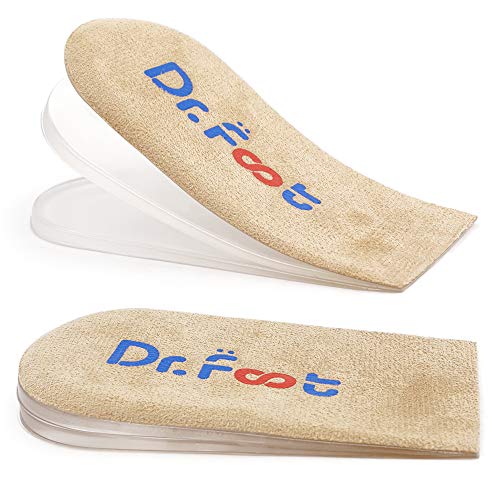
Dr.Foot Adjustable Orthopedic Heel Lift Inserts, Height Increase Insole for Leg Length Discrepancies, Heel Spurs, Heel Pain, Sports Injuries, and Achilles tendonitis (Beige, 3 Layers)
Check price on Amazon
Dr.Tucker+ Heel Pads for Shoes, Heel Cups for Heel Pain Relief | Achilles Tendonitis Relief Insoles, Foot Orthotic Inserts for Tendon Support and Bone Spurs, Heel Lift
Check price on Amazon
SIIHEA Adjustable Heel Lifts Inserts, 1/8'' Height Increase Insoles for Achilles Tendonitis, Heel Pain, Leg Length Discrepancy, Plantar Fasciitis, Shoe Lifts (Medium)
Check price on Amazon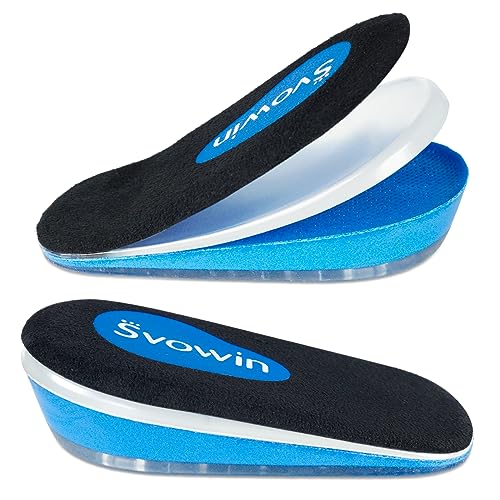
Svowin 3 Layers Adjustable Heel Wedge Lift for Leg Length Discrepancies, Height Increase Insoles for Heel Pain, Achilles Tendonitis, Gel Shoe Heel Cushions Cups for Men and Wowen(Large)
Check price on Amazon
3 Layers Adjustable Orthopedic Heel Wedge Lift for Leg Length Discrepancies, Height Increase Insoles for Achilles Tendonitis, Heel Pain, Heel Cushion Cups for Heel Spur, Men and Women (Large, Beige)
Check price on AmazonFinal Thoughts on Heel Wedge Inserts for Achilles Tendonitis
Heel wedge inserts are a practical, affordable, and effective way to reduce Achilles tendon strain during the recovery process. By slightly elevating the heel, they take tension off the tendon, ease morning stiffness, and allow you to stay somewhat active while your body heals. However, they work best as part of a comprehensive plan that includes strengthening exercises, load management, and appropriate footwear.
If you are also dealing with other foot conditions, our guides on over-the-counter orthotics for high arches and comfortable shoes for standing long hours can help you build a complete support strategy. Always consult a healthcare professional if your symptoms are severe or not improving, and use heel wedges as a temporary aid on your journey back to healthy, pain-free movement.