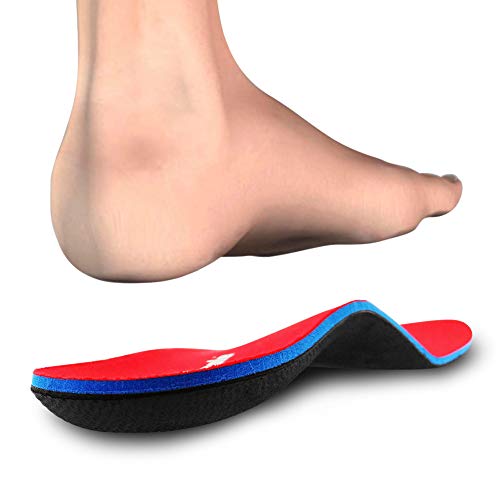
Flat feet, also known as pes planus or fallen arches, is a common condition where the arches of the feet collapse, causing the entire sole to come into contact with the ground. While some people with flat feet experience no discomfort, many suffer from foot pain, ankle instability, and even knee or hip pain. The right footwear can make a world of difference. In this comprehensive guide, we'll explore podiatrist recommended shoes for flat feet, helping you make an informed decision for your foot health.
Key Takeaway: The best shoes for flat feet are those that offer excellent arch support, motion control, and stability. They should have a firm heel counter, a supportive midsole, and a wide toe box to accommodate the natural shape of your foot.
Why Flat Feet Need Specialized Shoes
When you have flat feet, your arch collapses during weight-bearing activities, causing your ankle to roll inward (overpronation). This misalignment can lead to a cascade of issues, from plantar fasciitis to shin splints and knee pain. Podiatrists recommend specific shoe features to counteract overpronation and provide the necessary support. For those who also suffer from heel pain, our guide on cute walking shoes for plantar fasciitis offers additional insights.
Shoes for flat feet are designed to control motion, support the arch, and cushion the foot without being overly soft. They often feature a firmer midsole, a medial post (a denser material on the inner side of the shoe), and a straight or semi-curved last shape. Understanding these features is the first step toward finding relief.
Key Features Podiatrists Look For
Before diving into specific recommendations, let's break down the essential features that make a shoe podiatrist-approved for flat feet:
- Arch Support: A shoe with proper arch support helps distribute pressure evenly across your foot. Look for shoes with a contoured footbed or removable insoles that can be replaced with custom orthotics. For more information, see our guide on insoles for arch support and plantar fasciitis.
- Motion Control: This feature is crucial for flat feet. Motion control shoes have a firm midsole and a medial post to reduce overpronation.
- Stability: Stability shoes are a step down from motion control but still offer good support. They are ideal for mild to moderate overpronation.
- Firm Heel Counter: A firm heel counter helps keep the foot in place and prevents excessive rolling.
- Wide Toe Box: A wide toe box allows your toes to spread naturally, reducing pressure on the big toe and preventing bunions. You can explore options like sneakers with wide toe box and narrow heel for a better fit.
- Cushioning: While cushioning is important, it should not be so soft that it compromises stability. A firm but comfortable cushioning is ideal.
Types of Shoes for Flat Feet
Different activities call for different types of shoes. Here's a breakdown of the best categories for flat feet:
1. Stability Running Shoes
If you're a runner with flat feet, stability running shoes are your best bet. They provide a balance of cushioning and support. Brands like Brooks, ASICS, and New Balance are well-known for their stability models. For runners dealing with heel pain, our article on running shoes to prevent plantar fasciitis is a must-read. Additionally, if you're looking for specific support, check out stability running shoes for flat feet.
2. Motion Control Shoes
Motion control shoes are the most supportive option, designed for severe overpronation. They are often heavier and stiffer but provide maximum stability. These are ideal for walking or standing for long periods. If you're on your feet all day, consider most supportive shoes for standing all day.
3. Walking Shoes
For everyday walking, a good walking shoe with arch support is essential. Look for shoes with a rocker bottom or a firm heel. Our guide on comfortable shoes for walking on concrete can help you find the perfect pair for urban environments.
4. Casual Sneakers
You don't have to sacrifice style for support. Many casual sneakers now come with arch support and stability features. Brands like Vionic and Orthofeet specialize in stylish, supportive footwear. For a versatile option, explore white sneakers that look good with dresses.
5. Work Shoes
If your job requires standing on hard surfaces, you need work shoes with excellent support. Look for slip-resistant and supportive options. Our articles on comfortable work shoes for concrete floors and slip-resistant shoes for standing all day provide detailed recommendations.
Top Podiatrist-Recommended Shoe Brands
While individual needs vary, certain brands consistently earn podiatrist recommendations for flat feet:
- Brooks: Known for their stability and motion control running shoes, like the Brooks Adrenaline GTS.
- ASICS: Offers a range of stability shoes, including the Gel-Kayano series.
- New Balance: Provides wide widths and supportive designs, such as the 860 series.
- Saucony: The Guide series is a popular choice for stability.
- Vionic: Specializes in stylish shoes with built-in orthotic support.
- Orthofeet: Offers therapeutic footwear with a focus on comfort and support.
- Hoka One One: Known for their maximal cushioning and rocker bottom, which can help with flat feet.
Price Considerations
Podiatrist-recommended shoes for flat feet typically range from $80 to $200. While it might be tempting to opt for cheaper options, investing in a high-quality pair can save you from future foot problems and medical expenses. For a broader perspective on value, see our guide on good shoe brands for standing all day.
When to See a Podiatrist
If you have flat feet and are experiencing persistent pain, it's always best to consult a podiatrist. They can assess your gait, recommend specific shoes, and even prescribe custom orthotics. For those who need extra support, custom-made insoles for plantar fasciitis can be a game-changer. Additionally, if you have high arches, our article on over-the-counter orthotics for high arches might be helpful.
Frequently Asked Questions
Can flat feet be cured with shoes?
Shoes cannot cure flat feet, but they can significantly alleviate pain and prevent further complications by providing proper support and motion control.
Are barefoot shoes good for flat feet?
Generally, barefoot shoes are not recommended for flat feet as they lack arch support and motion control. However, some people find them beneficial for strengthening foot muscles. It's best to consult a podiatrist. You can read more in our article barefoot shoes: are they good for your feet?.
What is the best shoe for flat feet and knee pain?
A stability or motion control shoe with a firm heel and good arch support can help align the foot and reduce knee pain. For specific recommendations, see our guide on shoes with arch support and heel cushions.
How often should I replace my shoes?
For regular wear, replace your shoes every 300-500 miles or every 6-12 months. If you notice the midsole breaking down or the shoe feeling less supportive, it's time for a new pair.
Conclusion
Finding the right shoes for flat feet is a journey, but with the right information, you can make a choice that keeps you comfortable and active. Remember to prioritize arch support, motion control, and stability. Use this guide as a starting point, and don't hesitate to consult a podiatrist for personalized advice. Your feet will thank you.
For more related topics, explore our guides on comfortable shoes for standing long hours and comfortable shoes to wear to a wedding to ensure every step you take is a comfortable one.