
Neutral Running Shoes: Your Complete Buying Guide
Find the perfect cushioned neutral running shoe for high arches, supination, and daily training. Learn how to choose the right fit, cushioning, and features for pain-free miles.
SEE TOP PICKSUnderstanding Neutral Running Shoes
Neutral running shoes are the most versatile category of running footwear. Unlike stability or motion-control shoes, they don't include medial posting or dual-density foam to correct pronation. Instead, they focus on cushioning, flexibility, and a smooth heel-to-toe transition.
If you have a neutral gait—meaning your foot lands evenly and rolls slightly inward (pronation) without excessive collapse—a neutral shoe will give you the comfort and efficiency you need. Runners with high arches often find that neutral shoes provide the right balance of shock absorption and responsiveness, especially on longer runs.
For those who need extra support due to flat feet or overpronation, a stability shoe may be a better fit. However, if you're looking for lightweight, breathable options for daily training, neutral shoes like the ones featured in our lightweight road running shoes guide are an excellent choice.
Who Should Wear Neutral Running Shoes?
Neutral running shoes are ideal for specific foot types and running styles. Here's how to know if they're right for you:
- High Arches: If your arch is high, your foot tends to supinate (roll outward). Neutral shoes with ample cushioning help absorb impact.
- Neutral Gait: If your wear pattern on old shoes is even across the sole, you likely have a neutral stride.
- Supination: Runners who supinate need flexible, well-cushioned shoes without medial support.
- Daily Training: For most runners, a neutral daily trainer is the workhorse of their rotation.
- Recovery Runs: Max-cushion neutral shoes are perfect for easy recovery days.
If you're unsure about your gait, consider visiting a specialty running store for a gait analysis. For those with specific foot conditions like flat feet, you may need shoes for flat feet instead. Runners with high arches who need extra support can also explore orthopedic insoles for high arches to pair with neutral shoes.
Key Features to Look For in Neutral Running Shoes
When shopping for neutral running shoes, focus on these critical features to ensure comfort and performance:
Cushioning
Look for EVA, TPU, or PEBA foam. Max-cushion shoes offer plush comfort, while responsive foams provide energy return for speed work.
Heel-to-Toe Drop
Most neutral shoes have an 8–12mm drop. Lower drop (0–6mm) promotes a more natural stride but requires adaptation.
Weight
Daily trainers typically weigh 8–11 oz. Lighter shoes (under 8 oz) are better for tempo runs and racing.
Upper Material
Engineered mesh and knit uppers offer breathability and a sock-like fit. Look for reinforced overlays for durability.
Outsole Durability
Carbon rubber in high-wear areas extends shoe life. Blown rubber is lighter but less durable.
Fit & Width
Neutral shoes come in various widths. Ensure a thumb's width of space in the toe box and a snug heel.
For runners who want to explore different styles, you might also consider retro running shoes for casual wear or cross-training shoes for gym workouts. If you're looking for deals, check out our men's running shoes sale page for current discounts.
Cushioning Levels: Which One Is Right for You?
Neutral running shoes come in three main cushioning profiles:
- Minimalist/Light Cushioning ($80–$120): Best for experienced runners who want ground feel and speed. Ideal for tempo runs and races.
- Moderate Cushioning ($120–$160): The sweet spot for most runners. Offers a balance of comfort, responsiveness, and durability for daily training.
- Max Cushioning ($160–$250+): Plush, highly protective shoes for long runs, recovery days, and runners with joint sensitivity. Great for high-mileage weeks.
Your choice depends on your running goals, weekly mileage, and personal preference. Many runners keep two or three pairs in rotation: a max-cushion shoe for easy days, a moderate trainer for daily runs, and a lightweight shoe for speed sessions.
How to Choose the Perfect Neutral Running Shoe
Follow these steps to find your ideal neutral running shoe:
- Get a Gait Analysis: Visit a running store or use a treadmill analysis to confirm your gait type.
- Measure Your Feet: Feet swell during the day and during runs. Measure at the end of the day and add a half-size for running shoes.
- Consider Your Terrain: Road shoes are lighter and smoother; trail shoes offer grip and protection. For road running, check our lightweight road running shoes guide.
- Test the Flex: A good neutral shoe should flex at the forefoot, not the midfoot.
- Check the Heel Counter: A firm heel counter provides stability without being restrictive.
- Break Them In Gradually: Start with short runs and increase mileage slowly. Read our break-in guide for tips.
If you're also looking for stylish options for everyday wear, explore our trendy shoes or new shoes collections. For those who need extra comfort, comfortable shoes for men and shoes for flat feet are great resources.
Maintenance Tips for Neutral Running Shoes
Extend the life of your neutral running shoes with proper care:
- Rotate Your Shoes: Alternating between two pairs gives foam time to decompress.
- Air Dry: Never put running shoes in the dryer. Stuff with newspaper and air dry away from direct heat.
- Clean Regularly: Use a soft brush and mild soap. For mesh uppers, a damp cloth works well.
- Replace at 300–500 Miles: Foam loses its bounce over time. Track your mileage to know when to replace.
- Use Shoe Trees: Cedar shoe trees absorb moisture and help maintain shape.
For more detailed care instructions, visit our shoe care and repair hub.
Best Neutral Running Shoes for Every Runner
⚠️ AFFILIATE DISCLOSURE: This website contains affiliate links. As an affiliate Associate, we earn from qualifying purchases. If you make a purchase through these links, we may receive a small commission at no additional cost to you. Read our full affiliate policy.

Vans Men's Brooklyn LS Shoe, Suede/Canvas Black/White, 10.5
Check price on Amazon
UGG Tasman II Women's Slipper, 8 B(M) US, Chestnut
Check price on Amazon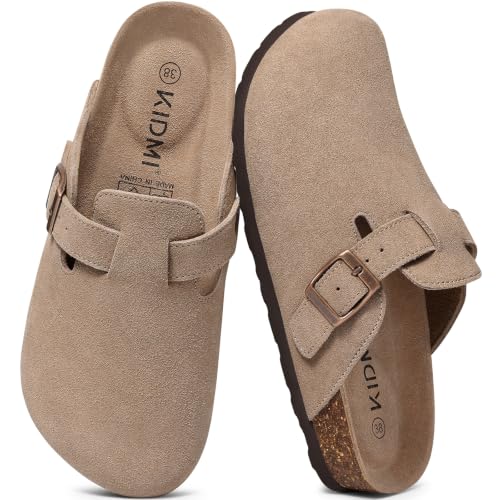
KIDMI Genuine Suede Clogs for Women Men Cork Footbed Mules Potato Shoes | Arch Support, Comfortable, Leather Slip On, Fall, Casual, Indoor Outdoor, Non-slip Rubber Sole, Adjustable Metal Buckle
Check price on Amazon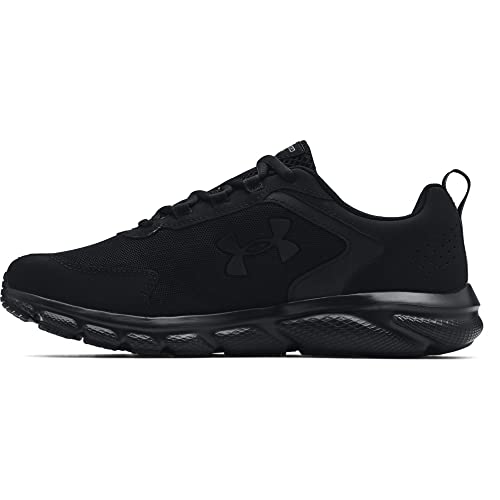
Under Armour Men's Charged Assert 9DISC, Black (003)/Black, 10.5 M US
Check price on Amazon
adidas Men's Daily 4.0, Olive Strata/Shadow Olive/Gum, 10.5 | Casual Shoes, Skateboarding Shoes, Low-Cut, Regular Fit, Lace-Up, For Skateboarding and Everyday Wear
Check price on Amazon
ODOLY Genuine Suede Clogs for Women Men Comfort Cork Footbed Potato Shoes | Unisex Lightweight Slip-On Leather Mules with Arch Support, Adjustable Buckle, Indoor Outdoor Footwear Taupe39
Check price on Amazon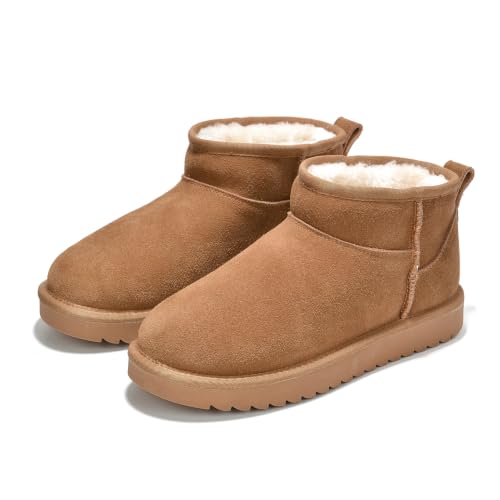
PROJECT CLOUD 100% Genuine Leather Womens Boots Ankle Boots for Women Shoes | Water Resistant Memory Foam Insole Winter Shoes - Trendy Footwear Outdoor Fall Shoes for Women - Winter Booties for Women
Check price on AmazonFrequently Asked Questions About Neutral Running Shoes
Q: What is the difference between neutral and stability running shoes?
Neutral shoes offer balanced cushioning without medial support, while stability shoes include posting or guide rails to control overpronation. If you have a neutral gait or high arches, neutral shoes are usually the better choice.
Q: Can I wear neutral running shoes for walking?
Absolutely. Neutral running shoes are excellent for walking, especially max-cushion models. They provide comfort and support for daily activities. For walking-specific options, see our comfortable shoes for men guide.
Q: How often should I replace my neutral running shoes?
Most running shoes last 300–500 miles. If you run 20 miles per week, that's roughly every 4–6 months. Signs it's time to replace include worn-out soles, flattened foam, and new aches or pains.
Q: Are neutral running shoes good for supination?
Yes! Neutral shoes are often recommended for supination (underpronation) because they allow the foot to move naturally without forcing it inward. Look for flexible, well-cushioned models.
Q: What's the best neutral running shoe for beginners?
Beginners should look for a moderate-cushion neutral shoe with a comfortable fit and reasonable price ($120–$160). Avoid minimalist shoes until you've built up strength and mileage.
Final Thoughts: Finding Your Perfect Neutral Running Shoe
Choosing the right neutral running shoe can transform your running experience. By understanding your gait, prioritizing comfort, and selecting the right cushioning level, you'll be well on your way to pain-free, enjoyable miles.
Remember, the best shoe is the one that fits your foot and running style. Don't be afraid to try multiple brands and models before committing. And when you're ready to buy, check out our recommended picks above for the best neutral running shoes on the market today.
For more running and footwear guides, explore our running shoes hub, fit and sizing resources, and shopping and reviews section.