
Podiatrist Recommended Shoes for Standing All Day
Discover the footwear features foot health experts prioritize for all-day standing comfort. Learn how to choose shoes that protect your feet, joints, and posture during long shifts on your feet.
SHOP RECOMMENDED SHOESWhy This Guide Matters: Standing all day puts immense pressure on your feet, knees, hips, and lower back. Podiatrists consistently emphasize that the right footwear can prevent chronic pain, reduce fatigue, and protect long-term foot health. This guide distills their expert recommendations into actionable advice so you can choose with confidence.
What Podiatrists Look For in Standing Shoes
When podiatrists recommend shoes for standing all day, they evaluate several critical design elements that work together to support the foot's natural structure. Understanding these features helps you identify quality footwear even without a medical degree. The foundation of any podiatrist-approved shoe starts with proper arch support, which maintains the foot's natural alignment and prevents excessive pronation or supination. Without adequate arch support, the plantar fascia ligament stretches abnormally, leading to inflammation and the sharp heel pain characteristic of plantar fasciitis. If you already experience this condition, exploring sneakers with good arch support for plantar fasciitis can provide targeted relief during long standing hours.
Cushioning is equally important because it absorbs the repetitive impact of each step and the constant pressure of standing. Podiatrists prefer shoes with ample cushioning in both the heel and forefoot, ideally using materials that maintain their shock-absorbing properties over time rather than flattening after a few weeks. The midsole material matters significantly—EVA foam, polyurethane, and gel inserts each offer different durability and support profiles. A wide toe box is another non-negotiable feature, as it allows toes to splay naturally and prevents conditions like bunions, hammertoes, and Morton's neuroma from developing or worsening. For those who need extra room, women's shoes with arch support and wide toe box offer an excellent combination of comfort and therapeutic benefit.
The heel counter—the rigid structure at the back of the shoe—must be firm enough to hold the heel securely in place but padded enough to prevent blisters and irritation. A stable heel counter prevents ankle instability and reduces the risk of sprains during prolonged standing. Finally, podiatrists emphasize the importance of a slightly elevated heel (around 1/4 to 1/2 inch) to reduce strain on the Achilles tendon and calf muscles, which tend to tighten during extended periods of standing. This subtle elevation, combined with a rocker sole design, can significantly reduce fatigue by promoting a natural rolling motion as you shift your weight.
🏗️ Firm Arch Support
Maintains foot alignment, prevents overpronation, and reduces strain on the plantar fascia. Look for contoured footbeds or removable insoles that accommodate custom orthotics.
🛡️ Shock-Absorbing Cushioning
Protects joints from repetitive impact. Podiatrists prefer dual-density midsoles that balance softness underfoot with stability for the entire foot.
📏 Wide Toe Box
Allows natural toe splay, preventing bunions, hammertoes, and neuromas. A rounded, spacious toe box reduces pressure points during long standing periods.
🔒 Stable Heel Counter
Holds the heel securely to prevent ankle rolling and instability. A firm yet padded heel counter is essential for standing on hard surfaces.
⚖️ Lightweight Construction
Reduces fatigue during long shifts. Podiatrists recommend lightweight materials that don't compromise on support or durability.
🔄 Rocker Sole Design
Promotes natural rolling motion with each step, reducing strain on the Achilles tendon and calf muscles during prolonged standing.
Foot Conditions Podiatrists Address with Proper Footwear
Podiatrists frequently recommend specific shoe features to manage or prevent various foot conditions that worsen with prolonged standing. Plantar fasciitis—inflammation of the thick band of tissue running along the bottom of the foot—is one of the most common complaints among people who stand all day. The right shoes can dramatically reduce symptoms by supporting the arch and cushioning the heel. For comprehensive options, shoes with good support for plantar fasciitis provide the therapeutic features needed for relief.
Flat feet (pes planus) affect millions of people and can lead to excessive pronation, knee pain, and lower back issues when standing for extended periods. Podiatrists recommend motion-control shoes with firm midsoles and enhanced arch support for this condition. Similarly, high arches (pes cavus) require extra cushioning and shock absorption because the foot's natural structure doesn't distribute impact effectively. Those with high arches often benefit from orthotics for high arches and plantar fasciitis combined with properly cushioned footwear.
Bunions (hallux valgus) and hammertoes are progressive conditions that worsen with narrow, restrictive footwear. A wide toe box is essential for preventing irritation and slowing progression. Morton's neuroma—a painful thickening of nerve tissue between the toes—also benefits from wide toe boxes and metatarsal pads that redistribute pressure away from the affected area. Diabetic feet require special attention because reduced sensation can mask injuries; podiatrists recommend protective, well-cushioned shoes with seamless interiors for diabetic patients. For those who work in restaurants or other slippery environments, women slip resistant shoes for restaurant workers combine safety with the support needed for long standing shifts.
Conditions That Benefit from Podiatrist-Recommended Shoes:
- Plantar fasciitis — arch support and heel cushioning reduce inflammation and pain
- Flat feet (overpronation) — motion control and firm midsoles prevent arch collapse
- High arches (underpronation) — extra cushioning absorbs shock and distributes pressure
- Bunions and hammertoes — wide toe boxes prevent pressure and slow progression
- Morton's neuroma — metatarsal padding and wide toe boxes relieve nerve compression
- Metatarsalgia — forefoot cushioning and rocker soles reduce ball-of-foot pain
- Achilles tendinitis — slightly elevated heels and heel cups reduce tendon strain
- Diabetic neuropathy — protective, seamless, well-cushioned footwear prevents injuries
- Knee and hip pain — proper alignment and shock absorption reduce joint stress
- Lower back pain — stable, supportive shoes improve posture and reduce fatigue
Shoe Types Podiatrists Recommend for All-Day Standing
Podiatrists don't endorse specific brands but rather recommend shoe categories that consistently deliver the features needed for standing comfort. Athletic walking shoes and running shoes top the list because they're designed with cushioning, arch support, and stability as primary goals. However, not all athletic shoes are created equal—podiatrists emphasize choosing models with firm heel counters, removable insoles (to accommodate orthotics), and breathable uppers. For men who need dressier options, comfortable men's dress shoes for standing all day have evolved significantly, with many brands incorporating hidden arch support and cushioning into classic silhouettes.
Work boots and occupational footwear designed for standing all day often feature slip-resistant outsoles, electrical hazard protection, and enhanced cushioning systems. Podiatrists recommend trying on work shoes at the end of the day when feet are naturally slightly swollen, ensuring a proper fit that won't become too tight during long shifts. For women, comfortable shoes for standing on concrete all day are essential because concrete offers no shock absorption—all impact transfers directly to the feet and joints without proper footwear cushioning.
Clogs and slip-on styles with contoured footbeds are popular among medical professionals and chefs who stand for 10+ hours. These shoes often feature rocker soles that reduce fatigue and easy slip-on designs that accommodate swollen feet. Nursing shoes and healthcare footwear typically incorporate all the podiatrist-recommended features: arch support, cushioning, slip resistance, and easy cleaning. For those who prefer a more casual aesthetic, sneakers with good support for standing all day offer the perfect blend of style and therapeutic benefit. And for individuals who need to wear dress shoes but suffer from foot pain, women's dress shoes with arch support and wide toe box prove that fashion and function can coexist.
| Shoe Type | Best For | Key Podiatrist Feature | Typical Price |
|---|---|---|---|
| Athletic Walking Shoes | General all-day standing, concrete floors | Dual-density midsole, removable insole | $80–$160 |
| Running Shoes | High-impact standing, walking commutes | Maximum cushioning, heel stability | $100–$180 |
| Work Boots / Occupational | Industrial, warehouse, safety environments | Slip-resistant, electrical hazard protection | $120–$250 |
| Clogs / Slip-Ons | Medical, culinary, retail (10+ hour shifts) | Rocker sole, contoured footbed | $60–$150 |
| Comfort Dress Shoes | Office, business casual, formal settings | Hidden arch support, cushioned insole | $100–$200 |
| Orthopedic Sneakers | Plantar fasciitis, flat feet, chronic pain | Medical-grade arch support, wide toe box | $120–$220 |
💡 Podiatrist Pro Tip: Replace your standing shoes every 300–500 miles of walking or every 6 months of daily wear, whichever comes first. Worn-out cushioning and compressed arch support are among the leading causes of foot pain in people who stand all day. Rotating between two pairs can extend the life of each and give your feet different support profiles throughout the week.
How to Choose Podiatrist-Recommended Shoes: A Step-by-Step Guide
Selecting the right shoes for all-day standing requires more than trying them on in a store for a few minutes. Podiatrists recommend following a systematic approach that accounts for your specific foot type, work environment, and any existing conditions. Start by measuring your feet at the end of the day when they're at their largest, and measure both feet—most people have one foot slightly larger than the other. Always fit to the larger foot and leave about a thumb's width (1/2 inch) between your longest toe and the front of the shoe. If you use custom orthotics or over-the-counter insoles, bring them with you when trying on shoes to ensure proper fit.
Assess your arch type by performing a simple wet test: wet your feet and step on a piece of cardboard or paper. The imprint will reveal whether you have flat feet, neutral arches, or high arches, which determines the level of support and cushioning you need. For those who need extra depth to accommodate orthotics, women's shoes with removable insoles for orthotics provide the flexibility to customize your support system. Similarly, walking shoes with arch support and wide toe box are excellent for daily wear when you need both comfort and therapeutic features.
Consider your work environment: standing on concrete requires maximum shock absorption, while standing on anti-fatigue mats may allow for slightly firmer shoes. If you work in a slippery environment, prioritize slip-resistant outsoles—how to make your shoes non-slip for restaurant work provides additional tips for improving traction. For outdoor standing or walking, women's waterproof walking shoes with arch support protect against the elements while maintaining therapeutic benefits. And if you're transitioning back to the office or need versatile footwear, smart casual shoes can bridge the gap between professional appearance and all-day comfort.
Finally, don't underestimate the importance of proper break-in. Even podiatrist-recommended shoes need a gradual introduction to your daily routine. Wear them for 1–2 hours at a time initially, increasing duration over 1–2 weeks. This allows the materials to mold to your feet and prevents blisters or discomfort. If pain persists beyond a reasonable break-in period, consult a podiatrist—you may need custom orthotics or a different shoe category entirely.
💰 What to Expect to Pay
Budget-Friendly ($60–$100): Basic walking shoes and clogs with adequate arch support. Best for occasional standing or those on a tight budget.
Mid-Range ($100–$180): The sweet spot for most people. Quality athletic shoes, work boots, and comfort dress shoes with podiatrist-recommended features.
Premium ($180–$250+): Maximum cushioning, medical-grade support, and durable materials. Best for chronic conditions, 10+ hour standing shifts, or those who've tried everything else.
Custom Orthotics ($200–$500): Prescription inserts made specifically for your feet. Often covered partially by insurance when medically necessary.
Podiatrist-Recommended Shoes: Our Top Picks
The following selection represents shoes that consistently meet podiatrist criteria for arch support, cushioning, stability, and durability. Each product has been evaluated against the features discussed throughout this guide, making them excellent starting points for your search. Remember that individual fit varies—what works for one person may not work for another, so always prioritize trying before buying when possible.
Podiatrist Recommended Shoes for Standing All Day
⚠️ AFFILIATE DISCLOSURE: This website contains affiliate links. As an affiliate Associate, we earn from qualifying purchases. If you make a purchase through these links, we may receive a small commission at no additional cost to you. Read our full affiliate policy.

UGG Tasman II Women's Slipper, 8 B(M) US, Chestnut
Check price on Amazon
adidas Men's Daily 4.0, Olive Strata/Shadow Olive/Gum, 10 | Casual Shoes, Skateboarding Shoes, Low-Cut, Regular Fit, Lace-Up, For Skateboarding and Everyday Wear
Check price on Amazon
Bruno Marc Men's KnitFlex Breeze Casual Dress Sneakers,Black,12 | Breathable Lightweight Mesh Lace-Up Derby Walking Shoes for Work & Weekend
Check price on Amazon
ODOLY Genuine Suede Clogs for Women Men Comfort Cork Footbed Potato Shoes | Unisex Lightweight Slip-On Leather Mules with Arch Support, Adjustable Buckle, Indoor Outdoor Footwear Taupe39
Check price on Amazon
IQYNAM Slip Resistant Work Shoes for Men Women Tennis Workout Gym Black 12 | Breathable,Comfortable,Slip on Sneakers,Running,Athletic,Sport,Walking,Standing,Zapatos,Unisex
Check price on Amazon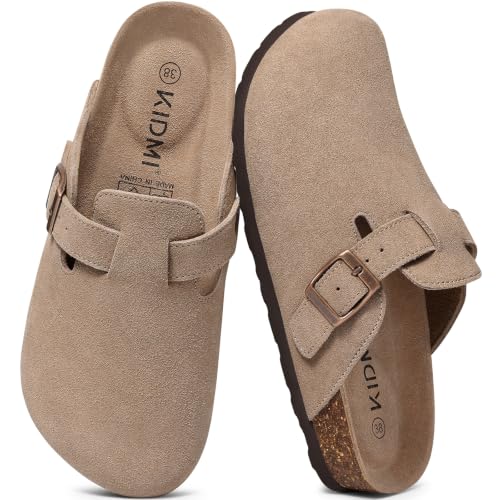
KIDMI Genuine Suede Clogs for Women Men Cork Footbed Mules Potato Shoes | Arch Support, Comfortable, Leather Slip On, Fall, Casual, Indoor Outdoor, Non-slip Rubber Sole, Adjustable Metal Buckle
Check price on Amazon
Nike Men's Court Vision Low Next Nature Shoes, Pencil Point/White, 13
Check price on AmazonFrequently Asked Questions
Podiatrist-recommended shoes typically feature firm arch support, ample cushioning (especially in the heel and forefoot), a wide toe box, a stable heel counter, and a slightly elevated heel. They're designed to support the foot's natural biomechanics, reduce strain on the plantar fascia and Achilles tendon, and prevent common conditions that develop from prolonged standing. Podiatrists don't universally endorse one brand but rather recommend shoes with these specific design features.
Podiatrists generally recommend replacing shoes every 300–500 miles of walking or every 6 months of daily wear, whichever comes first. However, if you stand for 8+ hours daily on hard surfaces, you may need to replace them more frequently—sometimes every 4–5 months. Signs it's time for new shoes include visible sole wear, compressed cushioning (test by pressing the midsole—if it doesn't spring back, it's worn out), and returning foot, knee, or back pain.
Not necessarily. While premium shoes often use higher-quality materials and more advanced cushioning technologies, there are excellent options in the $80–$120 range that meet podiatrist criteria. The key is evaluating features—arch support, cushioning, heel stability, and toe box width—rather than price alone. Some budget-friendly brands offer surprisingly good support, while some expensive fashion shoes lack the therapeutic features needed for all-day standing.
Yes, and many podiatrist-recommended shoes are specifically designed to accommodate orthotics. Look for shoes with removable insoles—this allows you to replace the factory insole with your custom or over-the-counter orthotic without compromising fit. Shoes with extra depth (marked as "orthopedic" or "accommodating") provide additional room for thicker orthotics. If you wear custom orthotics, always bring them when trying on new shoes to ensure proper fit and comfort.
Concrete is one of the hardest surfaces to stand on because it offers zero shock absorption—all impact transfers directly to your feet, knees, hips, and lower back. Podiatrists recommend shoes with maximum cushioning (especially in the heel and forefoot), a thick midsole that doesn't compress easily, and a rocker sole design that promotes natural rolling motion. Athletic walking shoes, running shoes, and occupational work shoes with anti-fatigue features are typically best for concrete standing. Pairing these shoes with anti-fatigue mats can provide additional relief.
Many podiatrists recommend compression socks for people who stand all day, especially those with circulatory issues, varicose veins, or a history of blood clots. Compression socks improve blood flow from the feet back to the heart, reducing swelling, fatigue, and the risk of deep vein thrombosis (DVT). They work best in combination with supportive shoes, not as a replacement for them. If you have circulation problems, consult your doctor before using compression socks.
Ready to Find Your Perfect Pair?
Browse our curated selection of podiatrist-recommended shoes for standing all day. Each pair is chosen for arch support, cushioning, stability, and all-day comfort.
Shop Recommended Shoes →Related Guides You May Find Helpful
If you're researching footwear for specific situations, these related guides can provide additional insights. For those who need shoes that transition between work and casual settings, comfortable shoes for working on your feet all day covers occupational categories in depth. If you're dealing with specific pain points, comfortable supportive shoes for standing all day offers targeted recommendations. And for anyone who splits time between standing and walking, comfortable shoes for walking and standing all day addresses dual-purpose footwear needs.
Women searching for professional-looking options should explore comfortable shoes for standing all day women, while men can find tailored advice in comfortable men's work shoes for standing all day. Those who work in food service or healthcare may benefit from comfortable shoes for being on your feet all day, which includes slip-resistant and easy-clean recommendations. Finally, if you're looking for shoes that combine therapeutic features with contemporary style, comfortable stylish shoes for standing all day proves you don't have to sacrifice aesthetics for comfort.