
Shoes With Good Support For Plantar Fasciitis
Find relief from heel pain with our complete guide to supportive footwear. Learn what features matter most and discover the best shoe options for plantar fasciitis.
VIEW TOP PICKSQuick Summary: The best shoes for plantar fasciitis combine firm arch support, deep heel cups, ample cushioning, and a stable heel-to-toe drop. This guide explains exactly what to look for and recommends top-rated options available today.
Plantar fasciitis is one of the most common causes of heel pain, affecting millions of people worldwide. The condition occurs when the plantar fascia—a thick band of tissue that runs along the bottom of your foot from heel to toes—becomes inflamed or irritated. The result is that sharp, stabbing pain in the morning or after long periods of standing. While stretching, physical therapy, and orthotics all play important roles in recovery, the shoes you wear daily can make or break your comfort.
If you have plantar fasciitis, the wrong footwear can aggravate your symptoms and delay healing. Conversely, the right pair of shoes with good support for plantar fasciitis can significantly reduce pain, improve alignment, and help you stay active. This guide will walk you through the essential features to look for and provide recommendations for every lifestyle.
What Makes a Shoe Good for Plantar Fasciitis?
Not all supportive shoes are created equal. When you have plantar fasciitis, you need footwear that addresses the specific mechanics of the condition. Here are the key features to prioritize:
Firm Arch Support
A supportive arch reduces strain on the plantar fascia by preventing overpronation and distributing pressure more evenly across your foot.
Deep Heel Cup
A well-structured heel cup stabilizes the heel bone and cushions the area where the plantar fascia attaches, reducing irritation.
Cushioned Midsole
Shock-absorbing cushioning in the midsole reduces impact on your heel and arch with every step you take.
Moderate Heel-to-Toe Drop
A drop of 6–10mm reduces tension on the Achilles tendon and plantar fascia compared to flat shoes or high heels.
Wide Toe Box
Enough room for your toes to spread naturally prevents pinching and allows for proper foot alignment.
Stable Heel Counter
A firm heel counter keeps your foot from rolling inward or outward, providing a stable foundation with each step.
Best Shoe Types for Plantar Fasciitis
Different activities call for different footwear, but the principles of support and cushioning remain the same. Here is how various shoe categories stack up for plantar fasciitis:
1. Athletic Sneakers & Running Shoes
Athletic shoes are often the best choice for daily wear when you have plantar fasciitis. Look for models with firm arch support and generous cushioning. For runners, motion-control or stability shoes help limit overpronation, which can worsen the condition. Our guide to running shoes that help with plantar fasciitis covers top-performing options in detail. If you need a wider fit, consider running shoes with arch support and a wide toe box.
For everyday wear, sneakers with arch support provide a balance of comfort and style. If you are specifically looking for supportive sneakers for daily activities, sneakers with good arch support for plantar fasciitis are an excellent place to start.
2. Walking Shoes
Walking is one of the best low-impact exercises for plantar fasciitis, but only if your shoes provide adequate support. Walking shoes typically have a slightly rockered sole that reduces strain on the fascia. For maximum comfort, consider walking shoes with arch support and a wide toe box. If you also need a narrow heel fit, explore walking shoes with a wide toe box and arch support.
3. Work Shoes & Shoes for Standing All Day
If your job requires you to be on your feet for hours, supportive work shoes are non-negotiable. Look for shoes with a firm midsole, cushioned insole, and slip-resistant outsole. Our article on comfortable shoes for working on your feet all day provides in-depth guidance. For those who stand on concrete, comfortable shoes for standing on concrete all day are specifically designed to absorb impact and reduce fatigue.
For men who need durable support, comfortable work shoes for standing all day are worth reviewing. Women in restaurant or hospitality roles may benefit from women's slip-resistant shoes for restaurant workers.
4. Sandals & Slip-Ons
Warm weather does not mean you have to sacrifice support. Sandals with arch support for plantar fasciitis offer the same structural benefits as athletic shoes in an open design. Orthopedic sandals with arch support for women are another excellent option. For casual wear, leather slides and foam slides can work if they have a contoured footbed, but always prioritize support over convenience.
For around the house, house shoes with arch support for plantar fasciitis help maintain proper foot alignment even during downtime. If you need shoes specifically for indoor wear, shoes to wear around the house for plantar fasciitis offers practical recommendations.
5. Dress Shoes
Formal occasions do not have to be painful. Women's dress shoes with arch support and a wide toe box are available in stylish designs. For men, comfortable men's dress shoes for standing all day prove that support and elegance can coexist.
Quick Comparison: Shoe Features at a Glance
| Feature | Why It Matters | What to Look For |
|---|---|---|
| Arch Support | Reduces strain on the plantar fascia | Firm, contoured arch that matches your foot shape |
| Heel Cushioning | Absorbs impact and protects the heel | Deep heel cup with shock-absorbing material |
| Heel-to-Toe Drop | Reduces tension on the Achilles tendon | 6–10mm drop for most people |
| Toe Box Width | Prevents pinching and allows natural toe spread | Wide or extra-wide options if needed |
| Heel Counter | Stabilizes the foot and prevents rolling | Firm, structured heel counter |
| Outsole | Provides traction and durability | Rubber outsole with good grip |
Recommended Shoes With Good Support For Plantar Fasciitis
⚠️ AFFILIATE DISCLOSURE: This website contains affiliate links. As an affiliate Associate, we earn from qualifying purchases. If you make a purchase through these links, we may receive a small commission at no additional cost to you. Read our full affiliate policy.

LOCFIR Wide Toe Box Shoes Women, Slip on Sneakers with Arch Support, Non-Slip Plantar Fasciitis Relief Comfort Walking Shoes, Cushion Tennis Work Shoes Black Size 11
Check price on Amazon
Dr. Scholl's Women's All Good Slip Resistant Food Service Shoe Black Leather 9 M
Check price on Amazon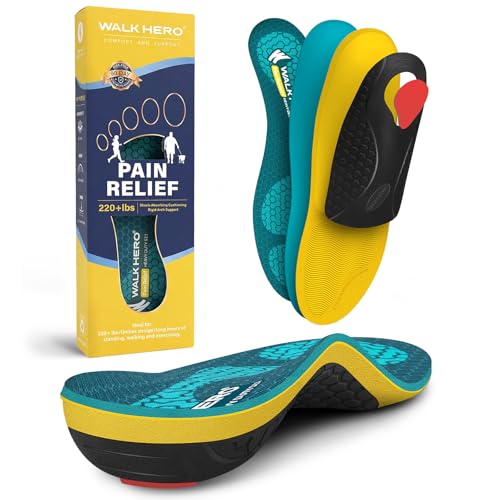
WalkHero Heavy Duty Plantar Fasciitis Insoles, 220+lbs Shoe Insoles | Plantar Fasciitis Relief, Arch Support Inserts,plantillas para fascitis plantar mujer(Mens 7-7.5 | Womens 9-9.5, Coral Green)
Check price on Amazon
Cusolemore Mary Jane Flat Shoes for Women with Arch Support and Concealed Low Wedge Heel, Black Flats for Women,Square Toe Ballet Flats, Comfortable Dress Shoe with Adjustable Straps Size 8.5
Check price on Amazon
STQ Casual Shoes for Women Plantar Fasciitis Relief Lightweight Orthopedic Comfy Sneakers Light Grey US 8
Check price on Amazon
Dr. Scholl's Women's Feel Good Plantar Fasciitis Sneaker White Leather 7 M
Check price on Amazon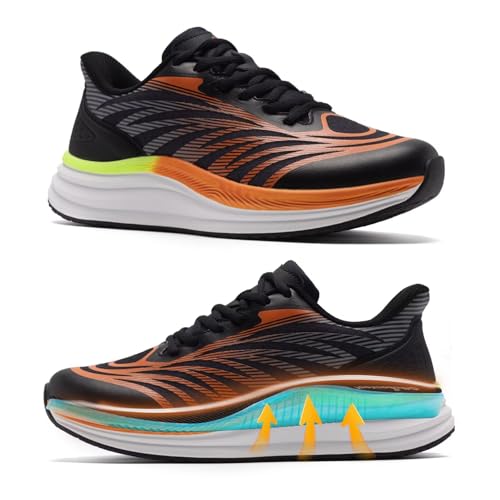
Men's Orthopedic Running Athletic Shoes: Comfortable Plantar Fasciitis Orthotic Arch Support Neuropathy Bunions Recovery Trail Sneakers, Slip On/Off Stylish Cycling Fit Walking Shoes Black Size 11
Check price on AmazonHow to Choose the Right Shoes for Your Needs
With so many options available, selecting the right pair can feel overwhelming. Here is a practical step-by-step approach:
Step 1: Assess Your Foot Type
Knowing whether you have flat feet, high arches, or neutral arches will guide your choice. People with flat feet often benefit from stability shoes, while those with high arches need more cushioning. If you have high arches and plantar fasciitis, orthotics for high arches and plantar fasciitis can provide additional support.
Step 2: Consider Your Daily Activities
Are you walking, running, standing all day, or a mix? Each activity places different demands on your feet. For all-day comfort, comfortable supportive shoes for standing all day are a smart choice. If you walk on hard surfaces, comfortable shoes for walking on concrete all day offer targeted cushioning.
Step 3: Prioritize Removable Insoles
Shoes with removable insoles allow you to insert custom orthotics or over-the-counter inserts without compromising fit. Look for women's shoes with removable insoles for orthotics if you need that flexibility.
Step 4: Try Before You Buy
Always try shoes on at the end of the day when your feet are at their largest. Walk around, and pay attention to how your arch feels. If you cannot try in person, choose retailers with generous return policies.
Step 5: Replace Worn-Out Shoes
Even the best shoes lose their supportive properties over time. A good rule of thumb is to replace athletic shoes every 300–500 miles of walking or running, or every 6–12 months for daily wear.
Additional Tips for Managing Plantar Fasciitis
Supportive shoes are the foundation, but combining them with other strategies can accelerate relief:
- Stretch regularly: Calf stretches and plantar fascia-specific stretches can reduce tension.
- Use orthotics: Custom or over-the-counter insoles can augment your shoe's support. For issues with foot sliding, shoe inserts to keep feet from sliding forward can help.
- Ice your heel: Rolling a frozen water bottle under your arch can reduce inflammation.
- Maintain a healthy weight: Reducing excess weight decreases stress on your feet.
- Avoid going barefoot: Especially on hard surfaces. Wear supportive house shoes or slippers.
If your pain persists despite these measures, consult a podiatrist or physical therapist for personalized treatment.
Frequently Asked Questions
What is the best shoe for plantar fasciitis?
The best shoe depends on your foot type and activities, but in general, look for firm arch support, a deep heel cup, cushioned midsole, and a moderate heel-to-toe drop (6–10mm). Athletic sneakers and walking shoes often meet these criteria.
Are expensive shoes always better?
Not necessarily. Price often reflects brand, materials, and technology, but many affordable shoes offer excellent support. Focus on the features rather than the price tag. Expect to pay anywhere from $80 to $250 for a quality supportive shoe.
Can I wear sandals with plantar fasciitis?
Yes, if they have proper arch support and a contoured footbed. Avoid flat, unsupportive flip-flops. Supportive sandals designed for plantar fasciitis are widely available.
How often should I replace my shoes?
For daily wear, replace every 6–12 months. For running shoes, every 300–500 miles. If you notice the midsole breaking down or your feet hurting more, it is time for a new pair.
Do I need custom orthotics?
Not always. Many people find relief with over-the-counter insoles or shoes that already have strong arch support. However, if your symptoms are severe or persistent, custom orthotics from a podiatrist may be beneficial.
Ready to Find Your Perfect Pair?
Explore our top recommendations for supportive shoes that can help you manage plantar fasciitis and get back to pain-free living.
SHOP RECOMMENDED SHOES