
Running Shoes for Overpronation and Flat Feet
Find the right stability and motion control running shoes to support flat feet, reduce overpronation, and run comfortably mile after mile.
Explore Top PicksThe ShoesTruth Approach: If you have flat feet or overpronate, your running shoes need to do more than just cushion. They need to guide your stride, support your arch, and reduce the stress on your ankles, knees, and hips. This guide breaks down exactly what to look for, how to choose, and which features matter most for your foot type.
Understanding Overpronation and Flat Feet
Why your foot type matters when choosing running shoes
What Is Overpronation?
Overpronation happens when your foot rolls inward excessively during the landing phase of your running stride. Instead of your arch absorbing impact efficiently, it collapses inward, causing your ankle and knee to rotate internally. Over time, this repetitive motion can lead to plantar fasciitis, shin splints, ankle instability, and knee pain.
Flat feet (fallen arches) are one of the most common causes of overpronation. When the arch is low or nonexistent, the foot has less natural shock absorption and stability, making it more likely to roll inward with every step.
How to Tell If You Overpronate
Not sure if you overpronate? Here are a few common signs:
- Wear pattern on shoes: The inner side of your running shoes wears down faster than the outer side.
- Arch pain or heel pain: Especially after running or standing for long periods.
- Ankle or knee discomfort: Your ankles may roll inward, and your knees may ache after runs.
- Flat feet or low arches: When you stand, your arch nearly touches the ground.
- Shin splints: Frequent pain along the front or inner side of your shin.
If you experience any of these signs, a stability or motion control running shoe can make a significant difference in your comfort and injury risk. For additional arch support options, explore our guide to running shoes with arch support and wide toe box.
Key Features to Look For
What makes a running shoe suitable for overpronation and flat feet
🛡️ Stability or Motion Control
These shoes feature medial support (often a denser foam or posting on the inner side) to reduce inward rolling and guide your foot into a neutral position.
🏗️ Firm Midsole
A firmer midsole prevents excessive compression and provides a stable platform for flat feet that need structure, not just soft cushioning.
📐 Arch Support
Built-in arch support helps lift the fallen arch and reduces strain on the plantar fascia and posterior tibial tendon.
🔒 Heel Counter
A firm heel counter locks your heel in place and minimizes excessive rearfoot motion during your stride.
📏 Wide Toe Box
Flat feet often splay wider. A roomy toe box prevents blisters and allows natural toe movement. See our picks for running shoes with wide toe box and arch support.
🔄 Medial Posting
A denser foam wedge on the inner side of the midsole that controls pronation and supports the arch.
Stability vs. Motion Control: Which Do You Need?
Understanding the difference between the two main categories
Stability Running Shoes
Stability shoes are designed for mild to moderate overpronation. They offer a balance of cushioning and support, with a medial post or guide rail that reduces excessive inward rolling without feeling overly rigid. If you have flat feet but still want a comfortable, responsive ride, stability shoes are usually the best choice.
Look for models with a firm medial post, a supportive midfoot shank, and a heel counter that holds your foot securely. Many stability shoes also feature a wider base for better ground contact and stability.
Motion Control Running Shoes
Motion control shoes are built for severe overpronation or very flat feet. They are heavier, stiffer, and feature maximum medial support, often with a straight or semi-curved last. These shoes prioritize control and stability over speed and flexibility.
If you have severe flat feet, experience significant ankle rolling, or have been recommended motion control shoes by a podiatrist, this category is for you. They provide the highest level of pronation control and are ideal for runners who need maximum support. For additional support options, consider sneakers with arch support or sneakers with good arch support for plantar fasciitis.
Stability vs. Motion Control: Quick Comparison
| Feature | Stability Shoes | Motion Control Shoes |
|---|---|---|
| Best For | Mild to moderate overpronation | Severe overpronation, flat feet |
| Weight | Moderate | Heavier |
| Flexibility | Moderate | Stiff |
| Medial Support | Moderate (post or guide rail) | Maximum (firm posting) |
| Cushioning | Balanced | Firm |
| Price Range | $100–$180 | $120–$200 |
Best Running Shoes for Overpronation and Flat Feet
⚠️ AFFILIATE DISCLOSURE: This website contains affiliate links. As an affiliate Associate, we earn from qualifying purchases. If you make a purchase through these links, we may receive a small commission at no additional cost to you. Read our full affiliate policy.
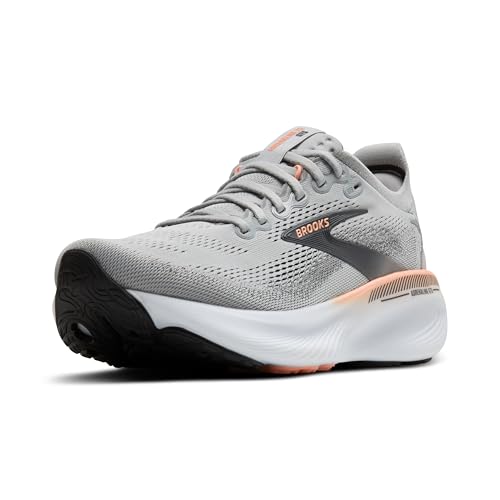
Brooks Women’s Adrenaline GTS 25 Supportive Running & Walking Shoe - Grey/Blackened Pearl/Coral - 7.5 Wide
Check price on Amazon
WalkHero Arch Support Inserts for Women Men, Relieve Plantar Fasciitis | Orthotic Insoles for Foot Pain Arch Pain, Flat Feet Insole Reduce Muscle Fatigue Absorb Shock (Mens 5-5 1/2 | Womens 7-7 1/2)
Check price on Amazon
PowerStep Pinnacle Maxx Orthotic Insoles, Maximum Stability & Comfort, Firm & Flexible Angled Heel, Flat Feet & Overpronation, Heavy Duty Shoe Inserts for Men & Women, Made in USA (M 7-7.5, W 9-9.5)
Check price on Amazon
OrthoComfoot Women's Wide Orthotic Supportive Running Shoes, Cushioned Arch Support Sneakers for Plantar Fasciitis and Flat Feet, Comfortable Athletic Footwear, Dark Purple, Size 7
Check price on Amazon
Brooks Women’s Adrenaline GTS 25 Supportive Running & Walking Shoe - Black/Peach/Mulled Grape - 8.5 Medium
Check price on Amazon
OrthoComfoot Big Kid Orthopedic Athletic Sneakers, Arch Support Shoes for Flat Feet & Overpronation, Comfortable Lightweight Running Shoes, Black, Big Kid 6
Check price on AmazonHow to Choose the Right Running Shoes
A step-by-step approach for flat-footed runners
1. Get a Gait Analysis
Before buying, visit a specialty running store for a gait analysis. They will assess your foot type, arch height, and pronation pattern, then recommend shoes that match your biomechanics. This is the single most important step for flat-footed runners.
2. Prioritize Support Over Cushioning
While soft, plush cushioning feels great in the store, it can actually worsen overpronation because your foot sinks deeper into the foam. Look for a firm midsole with medial support. If you need extra arch support, consider running shoes with arch support and a wide toe box or add aftermarket orthotics like orthotics for high arches and plantar fasciitis.
3. Check the Heel-to-Toe Drop
A moderate heel-to-toe drop (8–12mm) is often recommended for flat-footed runners. This reduces strain on the Achilles tendon and provides a more stable platform. Lower-drop shoes (0–4mm) can work for some, but they demand more calf flexibility and may increase strain on flat feet.
4. Ensure a Proper Fit
Your running shoes should have about a thumb's width of space between your longest toe and the front of the shoe. The heel should be snug with no slipping. If you have wide feet, look for shoes with a wide toe box and a narrow heel, such as running shoes with wide toe box and narrow heel.
5. Replace at the Right Time
Running shoes typically last 300–500 miles (480–800 km). For flat-footed runners, the midsole may break down faster due to excessive compression. Replace your shoes when you notice uneven wear patterns, reduced support, or new aches and pains. For more tips, see our guide to running shoes that help with plantar fasciitis.
Ready to Find Your Perfect Pair?
Browse our top recommended stability and motion control running shoes for overpronation and flat feet.
Shop Top PicksFrequently Asked Questions
Common questions from flat-footed runners
Can I run with flat feet?
Absolutely. Many elite runners have flat feet. The key is wearing the right shoes with adequate stability and arch support. With proper footwear, flat feet should not hold you back from running comfortably. Explore running shoes with arch support and wide toe box for options that work well for flat feet.
Do I need motion control or stability shoes?
If you have mild to moderate overpronation, stability shoes are usually sufficient. If you have severe flat feet or excessive pronation, motion control shoes offer maximum support. A gait analysis can help determine which category is right for you.
Can I use orthotics with running shoes?
Yes. Many stability and motion control shoes have removable insoles, allowing you to insert custom orthotics or over-the-counter arch supports. If you need extra support, look for women's shoes with removable insoles for orthotics or sneakers with arch support.
How often should I replace my running shoes?
Every 300–500 miles (480–800 km), or every 6–12 months depending on your running volume and surface. Flat-footed runners may need to replace shoes more frequently because the midsole compresses faster.
Are barefoot or minimalist shoes good for flat feet?
Generally, no. Minimalist shoes lack the structure and support that flat feet need. They can work for some runners as a training tool, but most flat-footed runners benefit from stability or motion control shoes with proper arch support.
What is the best heel-to-toe drop for flat feet?
A moderate drop of 8–12mm is often recommended because it reduces strain on the Achilles tendon and provides a stable platform. However, the best drop depends on your individual biomechanics and running style.
Can running shoes for overpronation help with plantar fasciitis?
Yes. Stability and motion control shoes reduce excessive pronation, which is a common contributing factor to plantar fasciitis. For more targeted options, see our guide to running shoes that help with plantar fasciitis and shoes with good support for plantar fasciitis.
Final Thoughts
Choosing the right running shoes for overpronation and flat feet is one of the most impactful decisions you can make for your running comfort and injury prevention. Focus on stability or motion control, prioritize firm support over soft cushioning, and always get a proper fit. With the right pair, you can run confidently and comfortably, no matter your foot type.
For more guidance, explore our related articles on running shoes with wide toe box and arch support, running shoes with wide toe box and narrow heel, and sneakers with good arch support for plantar fasciitis.