
Winter Running Shoes: Conquer Cold, Wet & Icy Conditions
Don't let winter stop your running routine. Discover how to choose the best winter running shoes with the right traction, insulation, and waterproofing to keep you safe and comfortable all season long.
SHOP WINTER RUNNING SHOESShoesTruth Winter Running Guide: Winter running demands more from your footwear than any other season. Cold temperatures harden rubber, reduce cushioning, and make every stride riskier. This guide will walk you through exactly what to look for so you can run confidently — even when the temperature drops below freezing.
Why Winter Running Shoes Matter
Running through winter is one of the most rewarding ways to stay fit, but it comes with unique challenges. Standard running shoes are designed for mild conditions — their rubber hardens in the cold, losing grip. Their mesh uppers let in freezing wind and slush. Their cushioning becomes firm and unresponsive.
Winter running shoes solve these problems with specialized compounds, protective uppers, and aggressive outsoles. Whether you're dealing with light frost, heavy snow, or icy pavement, the right pair can mean the difference between a great run and a dangerous slip. For runners who need extra support in cold conditions, consider browsing running shoes with arch support and wide toe box to find models that accommodate thicker winter socks comfortably.
If you're also looking for versatile footwear that handles wet conditions beyond running, our guide to waterproof shoes for women covers options that work for both running and everyday wear. And for those who want a dedicated cold-weather companion, snow shoes for women offer additional protection for snowy trails.
Key Features to Look For in Winter Running Shoes
❄️ Winter-Specific Rubber Compound
Standard rubber hardens below 32°F (0°C), losing up to 50% of its grip. Winter running shoes use specialized compounds that stay soft and sticky in freezing temperatures, giving you reliable traction on cold pavement and packed snow. Look for shoes labeled "winter traction" or "cold-weather compound."
🧊 Aggressive Outsole Lugs
Deep, multi-directional lugs bite into snow and slush. For icy conditions, look for carbide-tipped studs or aggressive tread patterns. Trail running shoes often work well for winter road running because their lugs provide superior grip on unpredictable surfaces.
💧 Waterproof & Windproof Upper
Gore-Tex, eVent, or proprietary waterproof membranes keep slush and meltwater out while allowing some breathability. A windproof upper is equally important — it prevents cold air from chilling your feet. Avoid standard mesh uppers in winter unless conditions are dry and mild.
🔥 Thermal Insulation
Light insulation (like Thinsulate or fleece lining) adds warmth without bulk. For extreme cold, consider shoes with built-in gaiters or those designed for sub-zero temperatures. Remember: your feet will warm up as you run, so avoid over-insulating.
🛡️ Protective Toe Cap
A reinforced toe cap protects against kicked-up ice chunks, rocks, and debris. It also adds durability in the high-wear toe area. Many winter running shoes include this feature for both protection and extended lifespan.
👟 Roomy Fit for Thicker Socks
Winter running often means thicker wool or synthetic socks. Size up by half a size to accommodate them without restricting circulation. A roomy toe box also allows your toes to move and generate warmth naturally.
Types of Winter Running Shoes
Not all winter running shoes are created equal. Your choice depends on the conditions you'll face and your running style.
1. Waterproof Road Running Shoes
Best for: Wet roads, light snow, and slush. These shoes feature waterproof membranes and slightly more aggressive tread than standard road shoes. They're lighter and more flexible than trail shoes, making them ideal for tempo runs and daily training in urban environments. If you're looking for shoes that handle both winter running and everyday wet conditions, check out our guide to ladies lightweight waterproof walking shoes.
2. Winterized Trail Running Shoes
Best for: Snowy trails, mixed terrain, and icy paths. Trail shoes with winter-ready features (waterproof uppers, aggressive lugs, sometimes studs) are the most versatile option for harsh conditions. They provide superior grip and protection. For those who want ankle protection on snowy trails, consider lightweight hiking shoes with ankle support as an alternative or complement to winter running shoes.
3. Studded Winter Running Shoes
Best for: Icy roads and packed snow. These shoes have metal studs embedded in the outsole, providing traction on ice that no rubber compound can match. They're essential for runners in regions with frequent freeze-thaw cycles. Studs are typically removable or replaceable, extending the shoe's lifespan.
4. Insulated Winter Running Shoes
Best for: Extreme cold (below 15°F / -9°C). These shoes feature thermal linings, sometimes integrated gaiters, and thicker midsoles. They're heavier but offer maximum warmth and protection. Brands often market these as "arctic" or "polar" models.
Pros and Cons of Winter Running Shoes
✅ Advantages
- Superior traction on snow, ice, and wet surfaces
- Waterproof protection keeps feet dry and warm
- Insulation extends comfortable running range
- Durable construction handles harsh conditions
- Protective features reduce injury risk
- Allows year-round running consistency
❌ Disadvantages
- Heavier than standard running shoes
- Less breathable — feet may sweat
- Higher price point than regular models
- Waterproof membranes can wear out over time
- Studs can be noisy on hard surfaces
- May need to size up for thicker socks
How to Choose the Right Winter Running Shoes
Consider these factors when making your decision:
- Temperature range: For mild winters (30–40°F), a waterproof road shoe suffices. For colder climates (below 20°F), choose insulated or studded models.
- Surface conditions: Icy roads demand studs. Snowy trails need aggressive lugs. Wet pavement requires sticky rubber and waterproofing.
- Run duration: Short runs (under 30 minutes) need less insulation. Long runs require more warmth and protection.
- Your running style: Road runners benefit from lighter winterized road shoes. Trail runners should choose winter trail models.
- Fit: Always try winter running shoes with the socks you'll wear. A snug but not tight fit prevents blisters and cold spots.
If you're also considering shoes for other winter activities, our winter running shoes guide is your central hub for all cold-weather footwear recommendations.
Caring for Your Winter Running Shoes
Winter conditions are brutal on footwear. These care tips will extend the life of your investment:
- Rinse after every run: Road salt and slush degrade materials. Rinse with cool water and air dry away from direct heat.
- Stuff with newspaper: Accelerates drying and helps maintain shape. Never use a dryer or radiator.
- Re-waterproof regularly: Apply spray-on waterproofing to maintain DWR (durable water repellent) finish.
- Check studs: Replace worn or missing studs before they affect traction.
- Rotate shoes: Alternating between two pairs gives each time to dry and decompress.
For more detailed care instructions, explore our shoe care and repair hub.
Frequently Asked Questions
Can I use regular running shoes in winter?
You can, but it's not recommended for safety and comfort. Regular running shoes have hard rubber that loses grip in cold, mesh uppers that let in wind and water, and insufficient insulation. For occasional light winter running, you might get by, but dedicated winter shoes are a much better investment.
Are waterproof running shoes worth it?
Yes, if you run in wet or snowy conditions regularly. Waterproof membranes keep feet dry, which is critical for warmth. However, they reduce breathability, so they're less ideal for mild, dry winter days. Consider having both waterproof and non-waterproof options.
Do I need studded running shoes?
Only if you regularly encounter ice. Studs provide unmatched traction on icy surfaces, but they're noisy and less comfortable on clear pavement. If your running routes are mostly cleared roads and paths, aggressive rubber lugs may be sufficient.
How should winter running shoes fit?
They should fit snugly but with room for thicker socks. Many runners size up by half a size for winter shoes. Ensure there's about a thumb's width between your longest toe and the front of the shoe. A proper fit prevents blisters and keeps circulation flowing.
Can I wear winter running shoes for everyday use?
Absolutely. Many winter running shoes are stylish enough for casual wear. They're excellent for commuting, walking the dog, or running errands in cold, wet conditions. Just be mindful that studded models can damage indoor flooring.
Ready to Find Your Perfect Winter Running Shoes?
Explore our curated selection of top-rated winter running shoes below. We've researched the best options for every condition and budget.
View Recommended Shoes ↓Recommended Winter Running Shoes
⚠️ AFFILIATE DISCLOSURE: This website contains affiliate links. As an affiliate Associate, we earn from qualifying purchases. If you make a purchase through these links, we may receive a small commission at no additional cost to you. Read our full affiliate policy.

Yaktrax Run Traction Cleats for Running on Snow and Ice (1 Pair), Large
Check price on Amazon
Merrell Men's Nova 4 Wp Sneaker, Drab, 11.5 | Nova 4 WP delivers waterproof protection and trail-ready performance for all-weather adventures
Check price on Amazon
Yaktrax Walk Traction Cleats - 360-Degree Grip on Snow, Ice, & Multi-terrain Surfaces - Elastic Outer Band w/ Easy-On/Off Heel Tab & 1.2mm Zinc-coated Steel Coils - Abrasion & Rust Resistant - Unisex
Check price on Amazon
DYW Women's Merino Wool Hiking Socks - Thermal Warm Winter Boot Crew Socks (5 Pairs Color Mix A, Medium)
Check price on Amazon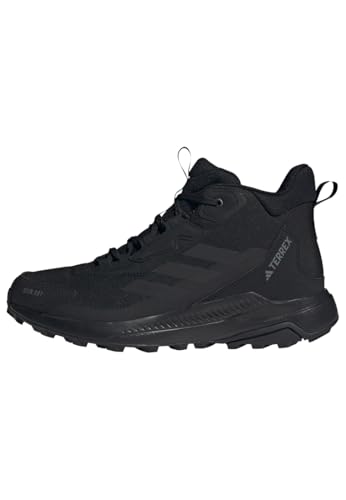
adidas Men's Terrex Anylander Mid Rain.RDY Hiking, Black/Black/Grey, 9
Check price on Amazon
Brooks Men’s Adrenaline GTS 24 Weatherized Supportive Running Shoe - Black/Ebony/New Yellow - 9 Medium
Check price on Amazon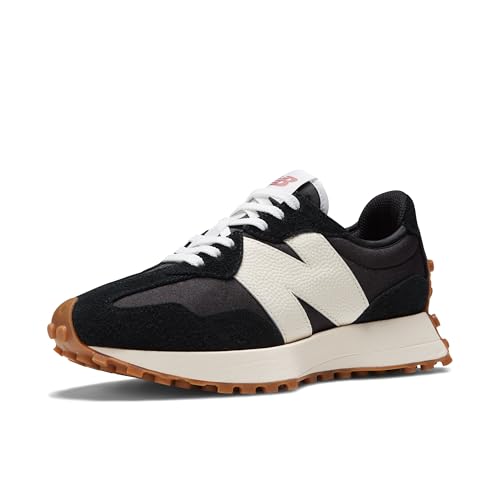
New Balance Women's 327 Sneaker
Check price on AmazonFinal Thoughts
Winter running shoes are an investment in your safety, comfort, and running consistency. By choosing the right features — winter-specific rubber, waterproofing, insulation, and aggressive traction — you can enjoy your runs even in the harshest conditions.
Remember to consider your local climate, typical running surfaces, and personal preferences when making your choice. And don't forget to care for your winter shoes properly; they work hard for you and deserve the maintenance.
For more guidance on cold-weather footwear, explore our related guides on running sneakers and sports shoes for women. Whether you're a seasoned winter runner or just starting out, the right shoes will transform your cold-weather running experience.