Understanding Heel Slipping: Causes and Quick Fixes
You've found the perfect pair of shoes—the style is right, the length feels good—but with every step, your heel slides up and down. This frustrating issue, known as heel slippage, is one of the most common complaints among shoe buyers. It often occurs when the shoe's heel is slightly too wide or too deep for your foot. Before you return your shoes, know that there are effective, affordable solutions that can transform a loose-fitting pair into a comfortable, secure one.
The primary cause is a volume mismatch. Your foot might be narrower than the shoe's heel cup, or the shoe might be a half-size too long. While a slip-on walking shoe might be more prone to this, even lace-up styles can suffer. The solution lies in filling that extra space with a targeted insert. This guide will walk you through the best options, from simple heel grips to full-length insoles, helping you find the right fix for your specific needs.
Types of Shoe Inserts for Heel Slipping
Not all inserts are created equal. The right choice depends on the severity of the slip and the design of your shoe. Here are the most effective types:
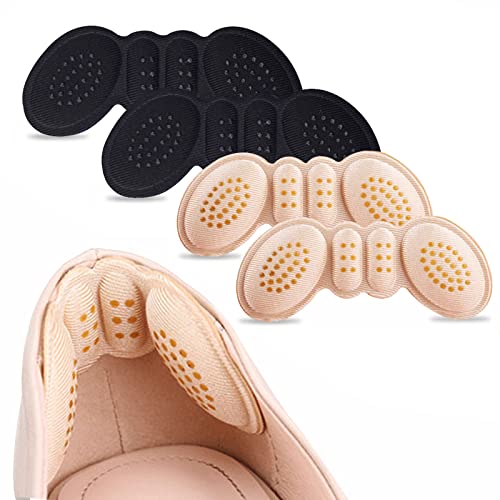
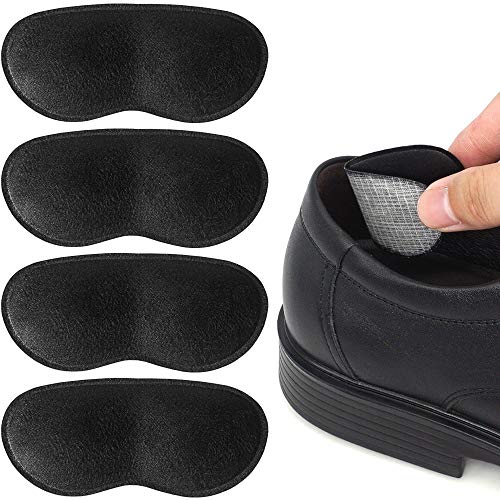
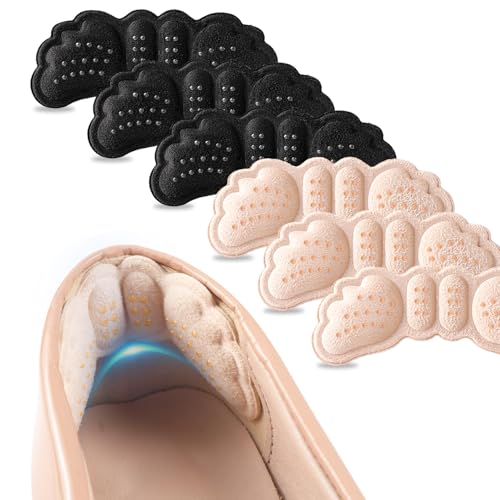
- Heel Grips (Heel Liners): These are small, adhesive pads placed at the back of the heel. They are the most common and least invasive solution. Made from materials like suede, foam, or gel, they add volume to the heel cup, preventing your foot from sliding up. They are ideal for dress shoes, loafers, and comfortable dress shoes for women (flats).
- Heel Cushions: Similar to grips but often thicker and designed for comfort as well as fit. They can be made from gel or memory foam, providing shock absorption and filling space. They are excellent for shoes you stand in for long periods, like comfortable office work shoes for women.
- Full-Length Insoles: If heel slipping is accompanied by overall discomfort or a lack of support, a full-length insole is a comprehensive solution. They replace the shoe's original insole and can correct fit issues from heel to toe. Look for options with a deep heel cup. For those with specific foot conditions, arch support insoles for overpronation can be a game-changer.
- Heel Snugs or Pads: These are U-shaped pads that wrap around the heel. They are thicker than standard grips and are often used for more significant slippage. They can be a bit bulky for very tight shoes but are very effective.
- Tongue Pads: Sometimes, heel slipping is caused by the foot sliding forward, which then pushes the heel up. A tongue pad placed under the laces can push your foot back into the heel cup, securing it in place.
How to Choose the Right Insert for Your Shoe
Selecting the right insert is a balance between the severity of the slip and the amount of space in your shoe. Here’s a step-by-step approach:
- Diagnose the Problem: Is your heel lifting slightly or completely coming out of the shoe? If it's a minor lift, a thin heel grip will suffice. For major movement, you'll need a thicker solution like a heel snug or a full insole.
- Check the Shoe's Construction: Does your shoe have a removable insole? If so, a full-length replacement is a great option. If not, stick to adhesive heel grips or tongue pads. For shoes with a very shallow heel cup, a heel grip is often the only option.
- Consider Your Foot Type: If you have a narrow heel, you'll need a thicker insert to fill the space. If you have a flat foot, a full-length insole with arch support might address both the slipping and the lack of support. For those with a high arch, a low heel dress shoe with arch support combined with a heel grip can be ideal.
- Material Matters: Gel inserts offer excellent shock absorption but can be heavy. Foam is lightweight and comfortable. Suede is thin, durable, and provides good grip without adding much bulk. Leather is breathable and molds to your foot over time.
For a deeper dive into foot health, understanding conditions like plantar fasciitis is key. You can explore resources on dress shoes good for plantar fasciitis to see how the right footwear and inserts can work together.
Top Solutions for Different Shoe Styles
The best insert can depend on the type of shoe you're wearing. Here’s a quick guide:
- For Dress Shoes & Heels: Adhesive suede or gel heel grips are your best bet. They are discreet and don't alter the shoe's appearance. For heels that are slightly too big, a weight-shifting insole for high heels can be a specialized solution.
- For Sneakers & Athletic Shoes: You have more room to work with. Full-length insoles are a great choice, especially if you need extra cushioning. If you're looking for a shoe that already has great support, consider a comfortable walking sneaker for women.
- For Work Boots & Safety Shoes: Durability is key. Look for heavy-duty heel pads or full-length insoles designed for work footwear. If you're on your feet all day, a comfortable work shoe that isn't ugly paired with a supportive insole is a winning combination.
- For Sandals: Heel slipping in sandals can be tricky. Look for sandals with an adjustable ankle strap. If the strap is still too loose, a small heel grip can sometimes be applied to the footbed. For those who need support, a sandal for wide feet with arch support might have a more secure fit to begin with.
DIY vs. Professional Solutions
Most heel slipping issues can be resolved with over-the-counter inserts costing between $5–$20. These are readily available online and in drugstores. However, if you have a significant foot deformity, chronic pain, or if standard inserts don't work, a visit to a podiatrist is recommended. They can create custom orthotics for plantar fasciitis or other conditions, which can cost $200–$800 or more, but offer a perfect, long-term solution.
Before buying new shoes, always try them on at the end of the day when your feet are at their largest. Ensure there is a thumb's width of space between your longest toe and the front of the shoe, and that your heel is snug. A well-fitted shoe is the first line of defense against slipping.
For more tips on finding the right fit for your lifestyle, explore guides on comfortable shoes to wear with dresses or shoes for people on their feet all day. The right combination of shoe and insert can make all the difference.