
Shoe Stretcher Guide: How to Stretch Shoes for a Perfect Fit
Stop suffering from tight shoes. Learn how to use a shoe stretcher to widen, lengthen, and customize your footwear for all-day comfort.
SHOP SHOE STRETCHERSWhy a Shoe Stretcher Matters: A shoe stretcher is one of the most underrated tools in footwear care. Whether you have a pair of leather dress shoes that pinch your toes, or sneakers that feel too narrow, a stretcher can save you from discomfort and expensive returns. In this guide, we'll cover everything you need to know about stretching shoes safely and effectively.
What Is a Shoe Stretcher and How Does It Work?
A shoe stretcher is a device inserted into a shoe to expand its size, either in width, length, or both. Most stretchers are made from wood or heavy-duty plastic and feature adjustable mechanisms—such as knobs, screws, or levers—that apply gentle, consistent pressure to the shoe's upper material. Over time, this pressure encourages the material to mold to a wider or longer shape. For those dealing with specific foot conditions, combining a stretcher with arch support inserts for flat shoes can provide comprehensive relief. Understanding how different materials respond to stretching is key; leather, for example, is highly malleable, while synthetic materials may require more patience. If you're also looking for ways to improve overall comfort for long days on your feet, exploring comfortable shoes for people who stand all day is a smart next step.
Types of Shoe Stretchers: Which One Do You Need?
Two-Way Shoe Stretcher
The most common type. It stretches both the width and length of the shoe. Ideal for leather shoes, dress shoes, and boots. Features adjustable knobs to target specific areas like the toe box or instep.
Three-Way Shoe Stretcher
Offers width, length, and height adjustment. Perfect for shoes that are too tight across the top of the foot (instep). Great for loafers and high-instep footwear.
Spot Stretcher
A small, targeted tool designed to stretch specific pressure points, such as a bunion area or a single tight spot. Often used in conjunction with a full shoe stretcher.
Boot Stretcher
Longer and taller than standard stretchers, designed specifically for boots. It can stretch the shaft and the foot area simultaneously. Essential for cowboy boots or tall leather boots.
High Heel Stretcher
Specially shaped for women's heels. It targets the toe box and the width of the shoe without damaging the heel structure. A must-have for comfortable heels for wide feet.
Manual vs. Spray Stretchers
Manual stretchers use mechanical force. Spray stretchers are liquids that soften leather; they are used with a mechanical stretcher for faster results. Always test on a small area first.
How to Use a Shoe Stretcher: Step-by-Step Guide
Using a shoe stretcher is straightforward, but doing it correctly ensures you don't damage your shoes. Here's the process:
- Prepare Your Shoes: If your shoes are leather, apply a leather conditioner or a specialized stretching spray to soften the material. This makes the fibers more pliable. For suede, be extra cautious and use a suede-specific spray. If you're unsure about material care, consult a guide to long-lasting shoes.
- Insert the Stretcher: Place the stretcher into the shoe, ensuring the heel block is firmly against the back of the shoe and the toe piece is positioned where you need the most width or length.
- Adjust the Mechanisms: Turn the knobs or screws to expand the stretcher. Do this gradually—a little at a time. You should feel resistance, but never force it. For width, turn the side knobs; for length, turn the heel knob.
- Let It Sit: Leave the stretcher in the shoe for at least 24 hours. For stubborn materials or significant stretching, leave it for 48–72 hours. Check periodically to ensure the stretcher hasn't shifted.
- Remove and Test: Carefully remove the stretcher and try on the shoe. If it's still tight, repeat the process. Never over-stretch in one session, as this can damage the shoe's structure.
- Maintain the Shape: After stretching, use shoe trees to maintain the new shape. This is especially important for leather shoes. For proper storage, consider shoe storage covers to protect your newly stretched pair.
When Should You Use a Shoe Stretcher?
Shoe stretchers are useful in several scenarios. If you have comfortable shoes for flat feet that still feel tight in the toe box, a stretcher can help. They are also ideal for:
- Breaking in new leather shoes that are slightly too snug.
- Accommodating a bunion or a wide forefoot.
- Fixing shoes that have shrunk after getting wet.
- Making comfortable shoes for people who stand all day even more comfortable.
- Adjusting comfortable shoes for working on concrete floors for better fit.
However, not all shoes can be stretched. Shoes with synthetic uppers, glued soles, or delicate materials like patent leather may not respond well. Always check the manufacturer's guidelines. If you have a pair of women's leather non-slip work shoes, they are generally safe to stretch. For more intensive foot support, you might also consider plantar fasciitis insoles alongside stretching.
Expert Tips for Stretching Shoes Safely
To get the best results without damaging your footwear, follow these tips:
- Heat Helps: Gently warming the shoe with a hairdryer on a low setting can make leather more pliable. Do not overheat.
- Use the Right Spray: For leather, use a dedicated leather stretcher spray. For suede, use a suede-specific product. Avoid water, which can damage some materials.
- Be Patient: Stretching is a gradual process. Rushing can tear stitching or crack the material.
- Target Specific Areas: Use a spot stretcher for bunions or specific pressure points. This is more effective than stretching the entire shoe.
- Check Fit Regularly: Try on the shoe every 24 hours to avoid over-stretching.
- Consider Professional Help: For expensive or delicate shoes, a professional cobbler can stretch them safely. If you need heel repair or laces replacement, a professional can also help.
Common Mistakes to Avoid
Many people damage their shoes by making these common errors:
- Over-Stretching: Turning the knobs too far, too fast. This can warp the shoe or cause seams to split.
- Using the Wrong Stretcher: Using a boot stretcher on a delicate heel, for example, can ruin the shoe.
- Skipping the Spray: Stretching dry leather can cause it to crack. Always use a conditioner or spray.
- Leaving It Too Long: While 48–72 hours is fine, leaving a stretcher in for weeks can distort the shoe permanently.
- Ignoring Material Limitations: Trying to stretch plastic or synthetic shoes usually fails and can damage them. For these, consider comfortable slip-resistant shoes that already fit well.
Frequently Asked Questions About Shoe Stretchers
Ready to Get the Perfect Fit?
Browse our recommended shoe stretchers and find the right tool to make your shoes comfortable today.
SHOP SHOE STRETCHERS NOWRecommended Shoe Stretchers
⚠️ AFFILIATE DISCLOSURE: This website contains affiliate links. As an affiliate Associate, we earn from qualifying purchases. If you make a purchase through these links, we may receive a small commission at no additional cost to you. Read our full affiliate policy.

Eachway Pair of Professional 2-Way Premium Shoe Stretcher Tough Plastic Shoe Trees, Adjustable Length & Width Durable Shoe Shaper for Men and Women (Large)
Check price on Amazon
KevenAnna Pair of Premium Professional 2-way Wooden Shoe Trees, Wooden Shoe Stretcher for Men or Women (Large)
Check price on Amazon
eachway Shoe Stretcher Shoe Trees,Adjustable Length & Width for Men and Women(For Women's 5.5-10
Check price on Amazon
FOOTMATTERS StretchAll Premium Grade Shoe Stretch - 1 bottle
Check price on Amazon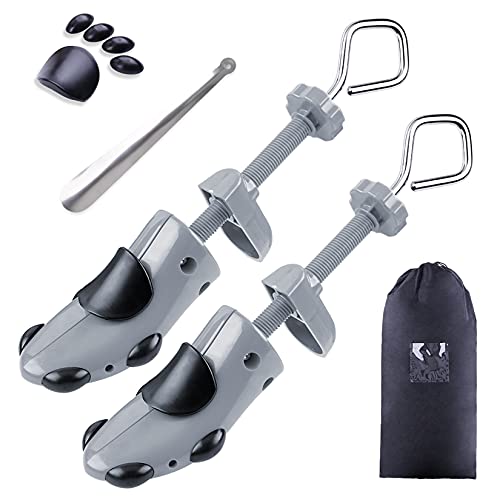
cyrico Shoe Stretcher Men 4-way Shoe Expander Widener Shoe Tree Shape for Wide Feet
Check price on Amazon
Exshoiu Shoe Stretcher Men Women, 4-Way Boot Stretcher Stretch Width & Length, Shoe Tree Adjustable Leather Boot Widener Stretcher for Wide Feets
Check price on AmazonFinal Thoughts on Shoe Stretchers
A shoe stretcher is a small investment that can save you from discomfort and extend the life of your favorite footwear. Whether you're dealing with tight dress shoes, need to accommodate a bunion, or simply want to make your comfortable shoes for standing all day women even more comfortable, a stretcher is a valuable tool. Remember to stretch gradually, use the right products, and be patient. With the right technique, you can achieve a custom fit that feels like your shoes were made for you. For more tips on footwear care and comfort, explore our shoes starter hub.