
Smart Shoes: The Future of Footwear is Here
Discover how intelligent footwear with sensors, app connectivity, and adaptive technology is transforming the way we walk, run, and live.
EXPLORE THE GUIDEWhat Are Smart Shoes? Smart shoes are footwear integrated with technology—such as sensors, chips, and wireless connectivity—that can track your activity, analyze your gait, adjust cushioning in real time, or even heat up in cold weather. They represent the convergence of fashion, fitness, and cutting-edge engineering.
What Makes a Shoe "Smart"?
The term "smart shoes" covers a wide spectrum of intelligent footwear. At their core, these shoes use embedded technology to deliver functionality beyond traditional footwear. This can include fitness tracking (steps, distance, calories), biometric monitoring (heart rate, gait analysis), adaptive cushioning (automatically adjusting to your stride), and even heating or cooling elements. Some models connect to your smartphone via Bluetooth, offering real-time feedback and data visualization through dedicated apps. Others focus on convenience, like auto-lacing systems or built-in GPS for safety. Understanding these categories helps you identify which smart features align with your lifestyle.
Key Technologies Powering Smart Shoes
Smart shoes leverage a variety of technologies to function. Inertial measurement units (IMUs)—accelerometers and gyroscopes—track movement and orientation. Pressure sensors in the insole map your footfall and weight distribution, which is invaluable for runners and people with diabetes. Bluetooth Low Energy (BLE) enables seamless connectivity to smartphones without draining battery. Microprocessors handle data processing on the fly, while rechargeable batteries power the system, often lasting several days to weeks depending on usage. For those interested in performance tracking, these shoes can be as insightful as a dedicated running sneaker, but with added intelligence. Some advanced models even incorporate LED lights that respond to your movement, adding a visual layer of smart functionality.
Who Benefits Most from Smart Shoes?
Smart shoes appeal to a diverse audience. Runners and athletes use them to optimize training, prevent injury, and track performance metrics like cadence and ground contact time. Fitness enthusiasts appreciate the integration with health apps and the motivational aspect of gamified activity tracking. Seniors and individuals with mobility concerns benefit from gait analysis and fall detection features, offering peace of mind to families. Tech-savvy consumers are drawn to the novelty and convenience of auto-lacing or heated footwear. Even commuters and travelers can find value in smart shoes with built-in navigation or theft alerts. For those who prioritize comfort during long periods of standing, a comfortable supportive shoe with smart insoles can make a significant difference.
Smart Shoes for Fitness and Running
In the fitness realm, smart shoes are revolutionizing how we train. They can measure cadence, stride length, ground contact time, and pronation, providing data that was once only available in specialized labs. This data helps runners correct their form, reduce injury risk, and improve efficiency. Some smart running shoes offer adaptive cushioning that firm up or soften based on your speed and terrain. For those who need extra support, pairing smart technology with running shoes with arch support and a wide toe box can be ideal. If you're training for a marathon or simply want to stay motivated, a smart shoe with a companion app that syncs with sports shoes for women or men can be a game-changer. Additionally, for flat-footed runners, running shoes with arch support for flat feet combined with smart insoles offer personalized guidance.
Smart Shoes for Everyday Comfort and Health
Beyond athletics, smart shoes are making waves in daily wear. For people who stand all day—retail workers, nurses, chefs—smart insoles can monitor fatigue and suggest when to shift weight or take a break. They can also track comfortable shoes for being on your feet all day, ensuring you're wearing the right pair. Diabetics can benefit from pressure sensors that alert them to areas of high pressure, helping prevent ulcers. For those with plantar fasciitis, a supportive house shoe for plantar fasciitis with smart features might seem futuristic, but the technology is already here. Even a simple walking shoe with arch support and a wide toe box can be upgraded with a smart insole for enhanced feedback. These shoes are not just about data; they're about improving quality of life.
Smart Shoes in Fashion and Lifestyle
Smart footwear isn't limited to gyms and running tracks. Designers are integrating technology into stylish silhouettes. Auto-lacing sneakers have become a cultural phenomenon, blending futuristic aesthetics with practical convenience. Heated boots are a boon for winter commuters. LED-embedded shoes are popular in nightlife and festivals, with some models allowing you to customize colors via an app. For those who love a classic look, black leather shoes with smart insoles can offer discreet health tracking. Even smart casual shoes are getting the tech treatment, with subtle sensors that track activity without compromising on style. Whether you're dressing for a party or a wedding, there's likely a smart shoe that fits the occasion.
How to Choose the Right Smart Shoes
Before buying smart shoes, consider your primary goal. Are you looking for fitness tracking, health monitoring, convenience, or simply novelty? Next, evaluate compatibility: does the shoe's app work with your smartphone (iOS or Android)? Check battery life—most last 5–14 days on a charge, but heavy use drains faster. Comfort is paramount: ensure the shoe fits well and suits your foot type, especially if you have conditions like plantar fasciitis. Look for shoes to wear around the house for plantar fasciitis if you need indoor smart options. Also, consider the price. Smart shoes range from budget-friendly $150 to premium models exceeding $500. For most casual users, a mid-range option at $250–$350 offers a good balance of features and price. Finally, read reviews and check warranty details, as electronics in shoes can be prone to wear and tear.
Maintenance and Care for Smart Shoes
Smart shoes require a bit more care than traditional footwear. Always follow the manufacturer's cleaning instructions—most are not fully waterproof, so avoid submerging them in water. Use a damp cloth to wipe the exterior and a soft brush for the sole. For the electronic components, keep them dry and avoid extreme temperatures. If the shoe has a removable smart insole, charge it separately as directed. Battery performance may degrade over time; check if the battery is replaceable. Also, be mindful of firmware updates for the companion app, which can add new features or fix bugs. If you're using your smart shoes for lightweight hiking with ankle support, ensure the electronics are protected from moisture and impact. With proper care, smart shoes can last as long as regular high-quality footwear.
The Future of Smart Shoes
The future of smart footwear is incredibly promising. We can expect more advanced biometric sensors that monitor hydration, body temperature, and even muscle fatigue. Energy harvesting—using your steps to generate power—could eliminate the need for charging. AI-driven coaching will provide real-time feedback on your running form, potentially preventing injuries before they happen. We may also see greater integration with smart homes and health records, allowing your shoes to communicate with other devices. As the technology matures, prices will likely become more accessible, and designs will become more mainstream. For those who love cool sneakers, the line between fashion and function will continue to blur. Eventually, smart shoes may become as common as smartphones, seamlessly enhancing our daily lives.
Recommended Smart Shoes
⚠️ AFFILIATE DISCLOSURE: This website contains affiliate links. As an affiliate Associate, we earn from qualifying purchases. If you make a purchase through these links, we may receive a small commission at no additional cost to you. Read our full affiliate policy.

Bruno Marc Men's Dress Oxfords Casual Derby Sneakers,Black,11 | Breathable Perforated Synthetic Leather, Cushioned Insole, Shock-absorbent Outfit, Fit Boardrooms Bars Daily Wear & Events
Check price on Amazon
Bruno Marc Men's Soft Cap-Toe Formal Dress Shoes,Black,8 | Brogue Dress Padded Comfort Non-Slip Stable Sole Regular/Wide Fit, Ideal for Offices, Weddings, Parties & Daily Wear
Check price on Amazon
Bruno Marc Men's Classic Comfort Oxford Shoes,Black,9.5 | Timeless Stylish Breathable, Slip-Resistant, All-Day Support for Formal, Casual, Ceremonial Occasions
Check price on Amazon
Bruno Marc Men's KnitFlex Breeze Casual Dress Sneakers,Black,10.5 | Breathable Lightweight Mesh Lace-Up Derby Walking Shoes for Work & Weekend
Check price on Amazon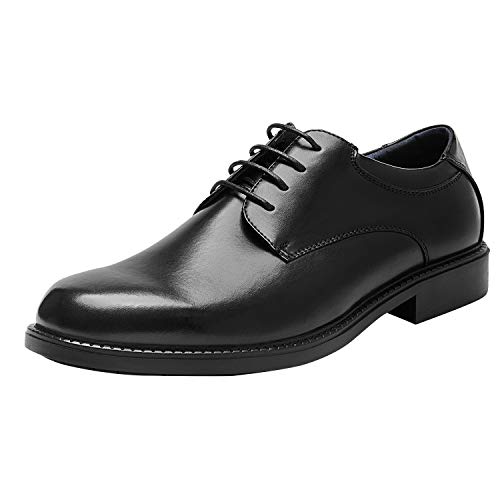
Bruno Marc Men's Dress Shoes Suit Oxford,Black,11 | Cushioned Latex Insole,Wear-Resistant TPR Outsole,Classic Derby Shoes for Business,Wedding & Daily Wear
Check price on Amazon
JOUSEN Men's Business Casual Shoes Dress Sneakers Brown 10.5 Q06 | Breathable All Day Comfortable Lace Up Wedding Lightweight Lowtop Fashion Shoes For Office Non-Slip
Check price on Amazon
Clarks Collection Mens Tilden Cap Derby Shoe, Black Leather, 14 Medium US
Check price on AmazonFrequently Asked Questions About Smart Shoes
Are smart shoes waterproof? Not all smart shoes are waterproof. Most are water-resistant, but you should check the IP rating. Avoid submerging them unless specified.
Do smart shoes require a smartphone? Most do, as they connect via Bluetooth to an app for data tracking and configuration. However, some basic functions may work without a phone.
How long does the battery last? Battery life varies from 5 to 14 days, depending on usage. GPS and continuous heart rate monitoring drain the battery faster.
Can I replace the battery in smart shoes? In many models, the battery is not user-replaceable. Check the warranty and manufacturer guidelines before purchasing.
Are smart shoes worth the money? If you're serious about fitness tracking, injury prevention, or convenience, they can be a worthy investment. For casual users, a mid-range option offers good value.