
Volleyball Shoes with Ankle Support: The Complete Guide
Volleyball demands explosive lateral movement, constant jumping, and rapid direction changes. Your ankles take the brunt of this punishment. Choosing volleyball shoes with proper ankle support can mean the difference between dominating the court and sitting on the sidelines with an injury.
Why Ankle Support Matters in Volleyball
Volleyball is one of the most ankle-intensive sports. Players constantly move side to side, land from spikes, and pivot on a moment's notice. According to sports medicine research, ankle injuries account for nearly half of all volleyball-related injuries. The right footwear can significantly reduce this risk.
Unlike basketball shoes with ankle support, volleyball shoes are engineered specifically for the unique demands of the sport. They prioritize lateral stability, lightweight construction, and court-specific traction. When you combine these features with proper ankle support technology, you get footwear that protects while enhancing performance.
Whether you're a beginner or a competitive player, understanding how ankle support works in volleyball shoes will help you make an informed decision. This guide covers everything from support technologies to fit considerations, so you can step onto the court with confidence.
How Ankle Support Works in Volleyball Shoes
Ankle support in volleyball shoes comes from several design elements working together. Understanding these components helps you evaluate different models and choose the right pair for your playing style.
1. Midsole Stability and Heel Counter
A firm heel counter wraps around the back of your heel, locking your foot in place and preventing excessive rolling. Many volleyball shoes feature TPU or carbon fiber heel counters that provide rigid support without adding significant weight. This is particularly important for players who have experienced ankle sprains or have naturally flexible ankles.
2. Lateral Support Structures
Lateral movement is the leading cause of ankle injuries in volleyball. Shoe manufacturers address this with lateral outriggers, widened forefoot platforms, and sidewall reinforcements. These features create a stable base that resists the outward rolling motion that leads to sprains.
3. Midfoot and Arch Support
A well-designed midfoot shank prevents the shoe from twisting during quick cuts. For players with flat feet or high arches, additional arch support may be necessary. If you need extra support, consider stylish shoes with good arch support as a complementary option for off-court wear.
4. Cushioning Systems
Responsive cushioning absorbs impact from repeated jumping and landing. Brands like ASICS (GEL), Mizuno (Wave), and Nike (Zoom Air) each have proprietary technologies. The key is finding a balance between softness for comfort and firmness for stability.
Key Features to Look For
When shopping for volleyball shoes with ankle support, prioritize these features:
- Firm Heel Counter: A rigid back that prevents heel slippage and excessive pronation.
- Lateral Outrigger: An extension of the outsole that widens the base during side-to-side movements.
- Midfoot Shank: A rigid plate that prevents torsion and provides a stable platform.
- Gum Rubber Outsole: Provides superior grip on indoor courts without leaving marks.
- Breathable Upper: Mesh or synthetic materials that keep feet cool during intense play.
- Reinforced Toe Cap: Protects against drag from serves and defensive slides.
- Proper Fit: Snug in the heel, roomy in the toe box, with no sliding during lateral movement.
For players who need extra room, men's wide sneakers with arch support offer a similar combination of stability and comfort that translates well to court performance.
Fit and Sizing: Getting It Right
Even the most supportive shoe won't protect you if it doesn't fit correctly. Volleyball shoes should fit snugly around the heel and midfoot while allowing enough room in the toe box for your toes to spread naturally.
Here's a quick reference for fit:
| Fit Area | What to Check | Common Issue |
|---|---|---|
| Heel | Snug, no slippage when walking | Too loose → blisters and instability |
| Midfoot | Secure, supported arch | Too tight → discomfort and numbness |
| Toe Box | Thumb's width between longest toe and front | Too short → toe jam when landing |
| Width | No pinching on sides | Too narrow → blisters and pain |
If you have wide feet, standard volleyball shoes may feel cramped. Look for brands that offer wide sizing options, or explore comfortable shoes for wide flat feet for additional guidance on finding the right fit.
Court Type and Outsole Selection
The surface you play on determines the outsole you need. Using the wrong shoe on the wrong surface increases injury risk and reduces performance.
Indoor Courts (Wood or Synthetic)
Indoor volleyball shoes feature gum rubber outsoles with a herringbone or pivot-point tread pattern. This provides optimal grip without marking the floor. Most volleyball shoes with ankle support are designed for indoor play.
Outdoor Courts (Concrete or Sand)
Outdoor volleyball requires a more durable outsole with deeper tread. While fewer models offer dedicated ankle support for outdoor play, you can look at men's waterproof trail running shoes for rugged traction, though they lack the lateral stability of true volleyball shoes.
Sand Courts
Beach volleyball shoes are typically minimalist, allowing for natural foot movement. Ankle support is less of a concern on sand, but stability still matters. If you play both indoor and beach, consider having separate pairs.
Common Mistakes to Avoid
Even experienced players make these errors when choosing volleyball shoes:
- Prioritizing style over function: Trendy sneakers may look great but lack the lateral support volleyball demands.
- Wearing running shoes: Running shoes are designed for forward motion, not side-to-side movement. They offer minimal lateral stability.
- Ignoring break-in time: New shoes need time to mold to your feet. Don't wear them for the first time in a competitive match.
- Overlooking ankle braces: If you've had prior injuries, a brace can provide additional protection without sacrificing performance.
- Buying online without measuring: Always measure your feet and check the brand's sizing chart. Sizes vary between manufacturers.
For players who need extra stability due to foot conditions, shoes for walking on outside of foot offer insights into managing supination that can apply to court footwear as well.
Best Volleyball Shoes with Ankle Support
⚠️ AFFILIATE DISCLOSURE: This website contains affiliate links. As an affiliate Associate, we earn from qualifying purchases. If you make a purchase through these links, we may receive a small commission at no additional cost to you. Read our full affiliate policy.

Under Armour Women's Highlight Ace 2 Volleyball Shoes, 101 White, 8.5
Check price on Amazon
Under Armour Women's Ace Low 2 Volleyball Shoes, 100 White, 8.5
Check price on Amazon
Under Armour Women's Flow Highlight Ace, 102 White, 7
Check price on Amazon
AND1 Revel Mid Men’s Basketball Shoes, Indoor or Outdoor Basketball Sneakers for Men or Women, Street or Court - Natural, 7 Medium
Check price on Amazon
Adidas Women's Crazyflight 6 Mid Top, Off White/Gold Metallic/Crystal Sand, 8
Check price on Amazon
adidas Womens Court Stabil Indoor Volleyball Sneakers Shoes - Purple - Size 9 M
Check price on Amazon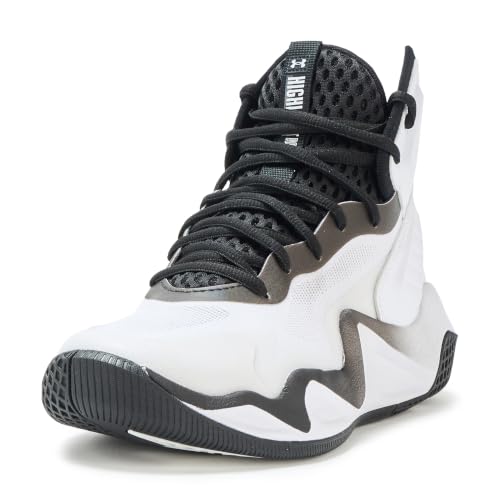
Under Armour Women's Highlight Ace 2 Volleyball Shoes, 103 White, 9
Check price on Amazon
ASICS Women's Upcourt 6 Volleyball Shoes, 8.5, White/Pure Silver
Check price on AmazonFrequently Asked Questions
Are volleyball shoes good for ankle support?
Yes. Volleyball shoes are specifically designed with lateral stability, firm heel counters, and wide bases to support the ankle during side-to-side movement. They are among the best footwear options for ankle protection on the court.
Should I wear ankle braces with volleyball shoes?
If you have a history of ankle sprains or play at a competitive level, ankle braces can provide additional protection. Many volleyball shoes accommodate braces without compromising fit. Consult with a sports medicine professional for personalized advice.
Can I use running shoes for volleyball?
It's not recommended. Running shoes are designed for forward motion and lack the lateral support needed for volleyball. Using them increases your risk of ankle injuries during side-to-side movements.
How often should I replace volleyball shoes?
Most volleyball shoes last between 6 to 12 months with regular play. Replace them when the outsole tread wears down, the cushioning feels flat, or the heel counter loses its rigidity. Worn-out shoes provide less ankle support.
What is the best outsole for indoor volleyball?
Gum rubber outsoles with herringbone or pivot-point patterns provide the best grip on indoor courts. They offer superior traction without marking the floor, which is essential for both performance and facility rules.
Do volleyball shoes run true to size?
Sizing varies by brand. Generally, volleyball shoes should fit snugly in the heel and midfoot with a thumb's width of space in the toe box. Always check the specific brand's sizing chart and read reviews before purchasing.
Ready to find your perfect pair? Browse our recommended volleyball shoes with ankle support above and take your game to the next level with confidence.
VIEW RECOMMENDED SHOES