
Shoes for Walking on Outside of Foot
If you've noticed uneven wear on the outer edges of your soles, you're likely a supinator. Discover the best footwear designed to support your gait, reduce strain, and keep you comfortable all day.
SEE TOP PICKSUnderstanding Why You Walk on the Outside of Your Foot
Walking on the outside of your foot is a biomechanical pattern medically known as supination or underpronation. When you walk or run, your foot naturally rolls inward slightly to absorb shock. If you supinate, your foot rolls outward instead, placing concentrated pressure on the outer edge of your foot and the smaller toes. Over time, this repetitive stress can lead to ankle instability, Achilles tendon issues, and even knee or hip pain.
If you're experiencing discomfort and want to explore broader footwear solutions, you may benefit from reading our guide on which shoes podiatrists recommend for various foot conditions. Understanding the root cause of your gait pattern is the first step toward choosing the right shoes for walking on the outside of your foot.
Signs You Might Be Supinating
Before shopping for shoes, confirm whether you actually walk on the outside of your foot. Look for these telltale signs:
- Uneven sole wear: The outer edge of your shoe soles wears down faster than the inner edge.
- Outer foot pain: Discomfort along the pinky toe side or the outer midfoot after walking.
- Ankle rolls: Frequent ankle sprains or a feeling of instability.
- Calluses: Hard skin develops on the outer side of your foot.
- Shin splints: Pain along the front of your lower leg, especially after long walks.
If these sound familiar, you'll want shoes with ample cushioning, a flexible midsole, and a neutral or slightly curved last. For those with additional foot concerns, exploring comfortable shoes for wide flat feet can provide extra insight into supportive options that accommodate different arch types.
Key Features to Look for in Shoes for Outer Foot Walking
Not all walking shoes are created equal. When you supinate, your footwear needs to compensate for the lack of natural inward roll. Here's what to prioritize:
1. Maximum Cushioning
Since supinators don't absorb shock efficiently, thick cushioning in the heel and forefoot is essential. Look for shoes with gel, air, or foam-based midsoles that compress easily.
2. Flexible Midsole
A rigid shoe can worsen supination by forcing your foot into an unnatural position. Choose a flexible sole that bends easily at the forefoot to encourage a more natural gait cycle.
3. Neutral or Curved Last
Shoes built on a curved last (shaped like a banana) support the outer edge of the foot and promote a smoother heel-to-toe transition. Avoid straight-lasted shoes designed for overpronators.
4. Wide Toe Box
Supination often pushes toes outward. A roomy toe box prevents blisters and calluses on the pinky toe. If you have wide feet, check out men's wide sneakers with arch support for additional comfort.
5. Lightweight Construction
Heavy shoes tire your legs faster and can exacerbate gait irregularities. Opt for lightweight materials like mesh and knit uppers.
Best Shoe Types for Walking on the Outside of Your Foot
Based on the features above, certain shoe categories consistently outperform others for supinators. Here's a breakdown:
| Shoe Type | Why It Works | Best For |
|---|---|---|
| Neutral Cushioned Walking Shoes | Soft midsoles absorb impact; flexible forefoot supports natural motion. | Daily walks, errands, casual wear |
| Trail Running Shoes | Aggressive tread and rock plates add stability on uneven terrain. | Hiking, off-road walking |
| Barefoot or Minimalist Shoes | Encourage natural foot strike and strengthen stabilizing muscles. | Short walks, transitional training |
| Memory Foam Walking Shoes | Contour to your foot shape, reducing pressure points. | All-day comfort, standing jobs |
For those who need extra support, stylish shoes with good arch support can bridge the gap between comfort and aesthetics. And if you're planning trips, comfortable stylish shoes for travel often feature the cushioning and flexibility supinators need.
Recommended Shoes for Walking on Outside of Foot
⚠️ AFFILIATE DISCLOSURE: This website contains affiliate links. As an affiliate Associate, we earn from qualifying purchases. If you make a purchase through these links, we may receive a small commission at no additional cost to you. Read our full affiliate policy.

Vans Men's Brooklyn LS Shoe, Suede/Canvas Black/White, 10.5
Check price on Amazon
UGG Tasman II Women's Slipper, 8 B(M) US, Chestnut
Check price on Amazon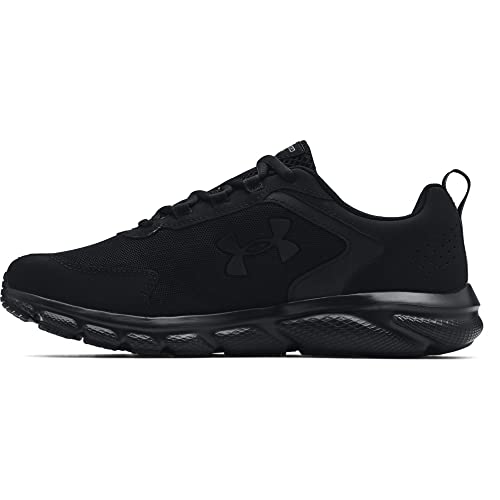
Under Armour Men's Charged Assert 9DISC, Black (003)/Black, 10.5 M US
Check price on Amazon
ODOLY Genuine Suede Clogs for Women Men Comfort Cork Footbed Potato Shoes | Unisex Lightweight Slip-On Leather Mules with Arch Support, Adjustable Buckle, Indoor Outdoor Footwear Taupe39
Check price on Amazon
adidas Men's Daily 4.0, Grey/Black/White, 10 | Casual Shoes, Skateboarding Shoes, Low-Cut, Regular Fit, Lace-Up, For Skateboarding and Everyday Wear
Check price on Amazon
adidas Men's Daily 4.0, Olive Strata/Shadow Olive/Gum, 10.5 | Casual Shoes, Skateboarding Shoes, Low-Cut, Regular Fit, Lace-Up, For Skateboarding and Everyday Wear
Check price on Amazon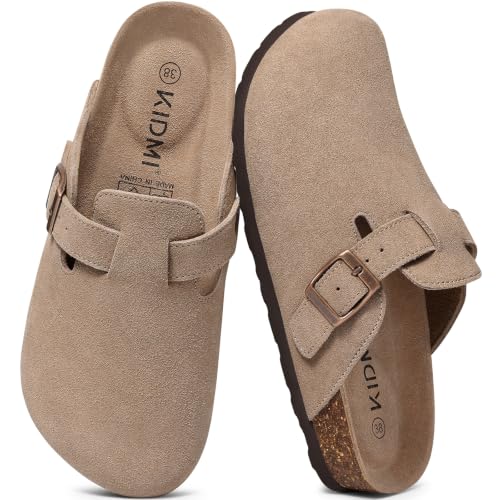
KIDMI Genuine Suede Clogs for Women Men Cork Footbed Mules Potato Shoes | Arch Support, Comfortable, Leather Slip On, Fall, Casual, Indoor Outdoor, Non-slip Rubber Sole, Adjustable Metal Buckle
Check price on AmazonHow to Choose the Right Pair: A Step-by-Step Guide
With so many options, narrowing down your choice can feel overwhelming. Follow this practical approach:
- Assess your gait: Visit a specialty running store for a gait analysis. They'll confirm whether you supinate and recommend shoe types.
- Prioritize cushioning over stability: Stability shoes are designed for overpronators and may feel stiff if you supinate.
- Test flexibility: Bend the shoe at the forefoot. It should flex easily without resistance.
- Check the heel counter: A soft, padded heel counter reduces friction on the Achilles tendon.
- Walk around: Wear them for at least 10 minutes in-store. Your toes should wiggle freely, and your heel shouldn't slip.
- Consider insoles: Over-the-counter orthotics like orthotic insoles for underpronation can customize the fit further.
If you're also dealing with plantar fasciitis, our article on shoes to wear for plantar fasciitis covers additional features that overlap with supination-friendly footwear.
Maximizing Comfort and Longevity of Your Shoes
Once you've found the perfect pair, proper care extends their life and maintains support:
- Rotate shoes: Alternate between two pairs to let midsoles recover between wears.
- Replace regularly: Walking shoes lose cushioning after 300–500 miles. If you walk daily, that's roughly every 6 months.
- Clean and dry: Remove insoles, air-dry away from direct heat, and brush off dirt to preserve materials.
- Use moisture-wicking socks: They reduce friction and keep feet dry, preventing blisters on the outer edge.
For women seeking everyday comfort, comfortable walking shoes for women often include the cushioning and flexibility that supinators need. Men can explore comfortable walking sandals for men for warm-weather alternatives.
When to Consult a Podiatrist
While the right shoes can alleviate many symptoms, persistent pain warrants professional attention. Seek a podiatrist if you experience:
- Chronic pain that doesn't improve with new footwear
- Swelling, redness, or bruising on the outer foot
- Recurrent ankle sprains
- Numbness or tingling in your toes
A podiatrist can assess your biomechanics, recommend custom orthotics, and rule out conditions like stress fractures or tendonitis. For those with specific needs, resources like orthopedic shoes for amputated toes and orthopedic house slippers for women offer specialized solutions.
Frequently Asked Questions
Final Thoughts: Step Confidently with the Right Shoes
Walking on the outside of your foot doesn't have to mean living with discomfort. By understanding supination and choosing shoes with ample cushioning, a flexible sole, and a neutral last, you can restore comfort and prevent long-term issues. Remember to replace worn shoes regularly, consider orthotics if needed, and consult a podiatrist for persistent pain.
Ready to find your perfect pair? Explore our recommended selection above, and take the first step toward pain-free walking today.