
Walking Sandals with High Arch Support: The Ultimate Comfort Guide
Discover how the right pair of supportive walking sandals can eliminate foot pain, improve your stride, and keep you comfortable all day long. Your complete guide to making an informed purchase.
SEE TOP RECOMMENDATIONSThe ShoesTruth Promise: We understand that finding sandals with genuine high arch support can be a challenge. This guide is designed to cut through the marketing jargon and give you the facts you need to choose the perfect pair for your feet.
Why High Arch Support Matters in a Walking Sandal
For those with high arches (a condition known as cavus foot), finding comfortable walking sandals is not just a luxury—it's a necessity. A high arch means your body weight is distributed unevenly across your feet, often placing excessive pressure on the heel and the ball of your foot. This can lead to a cascade of painful issues, including plantar fasciitis, metatarsalgia, and even knee and back pain.
Unlike flat feet, where the goal is often to provide stability and control overpronation, the goal for high arches is shock absorption and cushioning. A sandal with proper arch support helps to fill the gap under your arch, distributing your weight more evenly and reducing the strain on your plantar fascia. If you are also dealing with heel pain, you may benefit from reading our guide on running shoes to prevent plantar fasciitis, as many of the same principles apply.
Without this support, every step you take on a hard surface sends a shockwave through your foot, potentially leading to inflammation and chronic pain. A supportive sandal acts as a foundation, aligning your foot properly and allowing you to walk for miles without discomfort.
Key Features to Look For in Supportive Walking Sandals
Not all sandals are created equal. When shopping for walking sandals with high arch support, pay close attention to these critical components:
- Contoured Footbed: This is the most important feature. Look for a footbed that has a distinct, raised arch that mirrors the shape of your foot. It should feel supportive, not like a hard lump. A deep heel cup is also essential for stability.
- Cushioning Material: The midsole should be made from a shock-absorbing material like EVA (ethylene-vinyl acetate) or polyurethane. Avoid sandals with flat, hard soles. For those who need extra comfort, consider adding over-the-counter orthotics for high arches to your sandals.
- Adjustable Straps: Everyone's feet are unique. Adjustable straps, especially across the instep and around the ankle, allow you to customize the fit. This is crucial for preventing slippage and ensuring the arch support stays in the right place. For a different style, you might also look at comfortable sandals with arch support that offer similar adjustability.
- Firm Heel Counter: A firm structure at the back of the sandal helps to hold your heel in place, preventing excess motion and providing a stable base.
- Lightweight Design: A heavy sandal can be tiring. Look for materials that are durable yet lightweight, so you can walk without feeling weighed down.
Comparing Types of Supportive Sandals
Different activities call for different sandals. Here’s a quick comparison to help you decide which style is right for your needs.
| Sandal Type | Best For | Key Features | Typical Price Range |
|---|---|---|---|
| Sport Sandals | Hiking, walking, water activities | Quick-dry straps, aggressive tread, toe protection | $80–$150 |
| Casual Walking Sandals | Everyday errands, travel, casual wear | Contoured footbed, adjustable straps, lightweight | $60–$130 |
| Dressy Support Sandals | Work, dinners, events | Leather or synthetic uppers, hidden arch support, stylish | $90–$180 |
If your needs are more specific, like finding comfortable dressy sandals for a wedding, prioritizing a hidden or integrated arch support system is key.
Top-Rated Walking Sandals with High Arch Support
⚠️ AFFILIATE DISCLOSURE: This website contains affiliate links. As an affiliate Associate, we earn from qualifying purchases. If you make a purchase through these links, we may receive a small commission at no additional cost to you. Read our full affiliate policy.

ziitop Women's Sandals Women Footwear Ladies Summer Sandals with Arch Support Comfortable Walking Beach shoes Flat Wedge for Dressy Vacation Travel Office Party Shopping Dating Nursing Water Sports
Check price on Amazon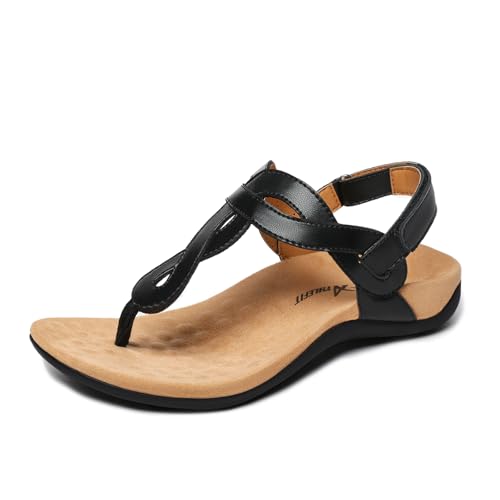
Athlefit Women's Orthopedic Flat Sandals with Arch Support Black 7 | Comfortable Sandals with T-Strap, Adjustable Strap, Non-slip Outsole, for Daily Walking,& Standing, Summer Vaction
Check price on Amazon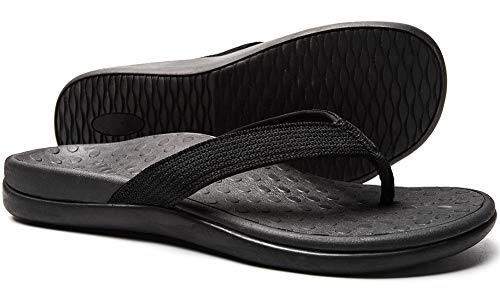
LLSOARSS Plantar Fasciitis Feet sandal with Arch Support - Best Orthotic flip flops for Flat Feet,heel pain- For Women (10 M US, Black)
Check price on Amazon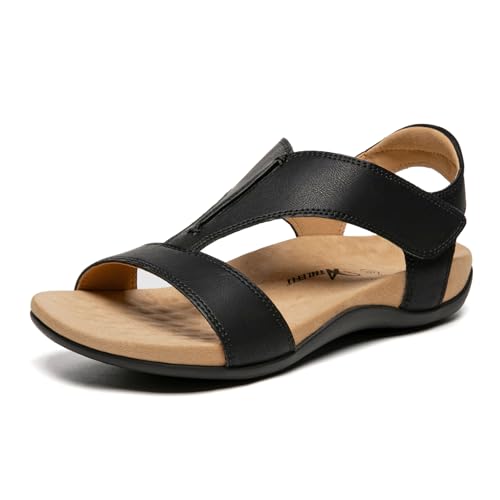
Athlefit Women's Black Orthopedic Flat Sandals with Arch Support Size 8 | Comfortable Orthotic Walking Sandals with Hook & Loop Strap, for Summer Travel, Office Work, Beach, Daily Wear, Casual Outing
Check price on Amazon
ONCAI Walking Sandals Women,Arch Support Hiking Sandals with Orthotic Outdoor Footbed for Plantar Fasciitis,Water Athletic Platform Sandalias Mujer with 3 Adjustable Strap Khaki/Beige Size 8.5
Check price on Amazon
MEGNYA Orthopedic Flip Flops for Women, Plantar Fasciitis Sandals for Flat Feet, Comfortable Women Walking Thong Sandals with High Arch Support size 7
Check price on AmazonHow to Get the Perfect Fit
Even the best sandal won't work if it doesn't fit correctly. Follow these tips to ensure a proper fit:
- Measure at the End of the Day: Your feet can swell throughout the day, so shop in the afternoon or evening.
- Check the Arch Placement: The arch support in the sandal should match the arch of your foot. If it feels like it's poking you in the wrong place, it's the wrong sandal for you.
- Allow for Toe Room: Your toes should not hang off the front, and your heel should sit comfortably in the heel cup.
- Use the Straps: Adjust the straps so they are snug but not tight. You should be able to slide one finger under each strap.
For those with specific foot shapes, like a wide forefoot and narrow heel, finding the right fit can be a challenge. You may find our guide on sneakers with a wide toe box and narrow heel helpful for understanding fit principles that apply to sandals as well.
Breaking In and Caring for Your Sandals
New supportive sandals may need a short break-in period. Start by wearing them for a few hours at a time, gradually increasing the duration. This allows the footbed to mold to the shape of your foot. If you have a history of foot pain, such as from a plantar plate tear, our article on rocker bottom shoes for plantar plate tear discusses how a stiff sole can sometimes help, though sandals are typically more flexible.
To keep your sandals fresh and supportive, clean them regularly according to the manufacturer's instructions and allow them to air dry completely before wearing them again. For persistent heel pain, a heel wedge insert for Achilles tendonitis can be a useful addition to your footwear.
Ready to Walk in Comfort?
Don't let foot pain hold you back. Explore our top-rated selection of walking sandals with high arch support and find your perfect pair today.
SHOP TOP SANDALSFrequently Asked Questions
Can I put my own orthotics in walking sandals?
Yes, many walking sandals have removable footbeds. This allows you to replace the stock insole with your own custom or over-the-counter orthotics, such as insoles for arch support and plantar fasciitis. Just ensure the sandal has enough depth and that the straps can still be adjusted for a secure fit.
How do I know if a sandal has enough arch support?
Press your thumb into the arch area of the footbed. It should feel firm and contoured, not flat or squishy. When you try it on, you should feel a gentle, supportive pressure under your arch, not a sharp poke.
Are walking sandals good for plantar fasciitis?
Yes, a well-designed walking sandal with a contoured footbed, deep heel cup, and firm arch support can be an excellent choice for managing plantar fasciitis. The key is to avoid flat, unsupportive sandals. For more options, see our guide on cute walking shoes for plantar fasciitis.
What is the difference between arch support and cushioning?
Arch support provides structural support to keep your foot in proper alignment. Cushioning absorbs shock and provides comfort. For high arches, you need both. The footbed should be contoured (support) and made of a shock-absorbing material (cushioning).