
Non Slip Shoes: The Complete Safety & Comfort Guide
Discover how slip-resistant footwear prevents accidents, which outsole materials and tread patterns work best, and how to choose the right pair for work, healthcare, or everyday wear.
SHOP NON SLIP SHOESWhy Non Slip Shoes Matter: According to workplace safety data, slips, trips, and falls account for a significant portion of preventable injuries. The right non slip shoes can dramatically reduce your risk — whether you work in a restaurant, hospital, warehouse, or simply want safer footing on wet surfaces.
What Are Non Slip Shoes and How Do They Work?
Non slip shoes are footwear engineered with specialized outsoles designed to maximize friction and traction on slippery surfaces. Unlike regular shoes, which may have smooth or shallow tread patterns, non slip shoes feature deeper grooves, rubber compounds with high grip ratings, and often channeled treads that disperse liquids away from the contact area. This combination creates a stronger grip on wet, oily, or greasy floors.
The science behind slip resistance involves two key factors: tread design and outsole material. Tread patterns with multidirectional lugs and siping (small slits) help channel water away, while soft rubber compounds maintain flexibility and grip across temperature changes. For those who stand for long hours, comfort features like cushioned insoles and arch support become equally important — see our guide to comfortable shoes for people who stand all day for additional insights.
Key Features of Effective Non Slip Shoes
🧲 Outsole Material
The outsole is the most critical component. Look for rubber compounds specifically rated for slip resistance.
- Natural Rubber: Excellent grip on wet surfaces
- Nitrile Rubber: Resistant to oils and chemicals
- Thermoplastic Rubber (TPR): Lightweight and flexible
- Polyurethane (PU): Durable, good for dry and wet
- Vibram® Compounds: Premium grip for extreme conditions
🔷 Tread Patterns
The design of the sole's tread determines how well liquids are channeled away from your foot.
- Multidirectional Lugs: Grip in all directions
- Siping: Tiny slits that create suction on wet floors
- Deep Grooves: Channel water, oil, and grease away
- Closed-Cell Foam: Prevents liquid absorption
- Heel Brakes: Extra traction where you need it most
🛡️ Safety Standards & Ratings
Understanding slip resistance ratings helps you choose the right level of protection.
- ASTM F2913: Standard test for slip resistance
- SATRA TM144: International slip test method
- EN ISO 20347: European occupational footwear standard
- SRC Rating: Highest European slip resistance
- Oil & Slip Resistant (OSR): Common in work footwear
👟 Comfort & Support
Safety shouldn't come at the cost of comfort, especially for long shifts.
- Cushioned Midsole: Reduces fatigue on hard floors
- Arch Support: Essential for flat feet or high arches
- Breathable Upper: Keeps feet dry and cool
- Padded Collar: Prevents blisters and chafing
- Removable Insoles: Customize fit and support
Who Needs Non Slip Shoes?
Non slip shoes are essential for anyone who works or spends time in environments where floors may be wet, oily, or uneven. The most common professions and situations that benefit from slip-resistant footwear include:
🏥 Healthcare & Medical
Doctors, nurses, and hospital staff face spills, bodily fluids, and polished floors daily.
🍽️ Food Service & Hospitality
Kitchens, restaurants, and bars are notorious for greasy, wet, and slick floors.
🏭 Industrial & Warehouse
Factories, warehouses, and construction sites demand durable, protective footwear.
🏠 Everyday Safety
Seniors, pregnant women, and anyone navigating slippery outdoor conditions.
Non Slip Shoe Types Compared
| Type | Best For | Grip Level | Comfort | Price Range |
|---|---|---|---|---|
| Work Shoes | Industrial, warehouse | High | Moderate | $80–$180 |
| Healthcare Shoes | Hospitals, clinics | High | High | $90–$200 |
| Food Service Shoes | Kitchens, restaurants | Very High | Moderate | $60–$150 |
| Walking Shoes | Everyday, travel | Moderate | Very High | $70–$160 |
| Casual Sneakers | Light activity, commuting | Moderate | High | $50–$130 |
Recommended Non Slip Shoes
⚠️ AFFILIATE DISCLOSURE: This website contains affiliate links. As an affiliate Associate, we earn from qualifying purchases. If you make a purchase through these links, we may receive a small commission at no additional cost to you. Read our full affiliate policy.
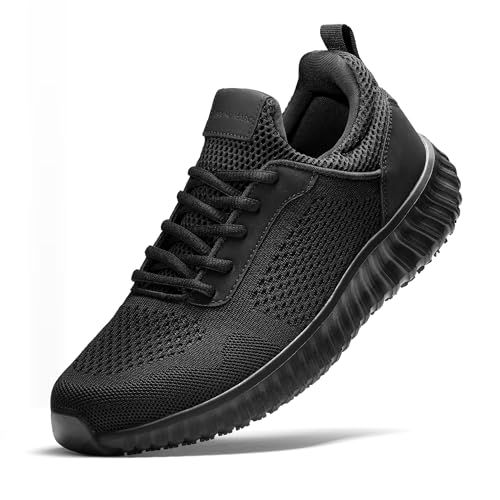
Bruno Marc Men's Non Slip Work Shoes,Black,11 | Walking Slip Resistance Food Service Chef Kitchen Restaurant Sneakers Comfortable Lightweight
Check price on Amazon
IQYNAM Slip Resistant Work Shoes for Men Women Tennis Workout Gym Black 12 | Breathable,Comfortable,Slip on Sneakers,Running,Athletic,Sport,Walking,Standing,Zapatos,Unisex
Check price on Amazon
Bernal Women's Walking Sneakers Non‑Slip Work Shoes, Black 8 | Comfortable Soft, Lightweight, Breathable Mesh, Memory Foam Insole, Gym, Tennis, Athletic Workout, Sports, Travel, Nursing
Check price on Amazon
Skechers Women's Work Squad Sr Food Service Shoe, Black, 7.5
Check price on Amazon
LARNMERN Men Chef Shoes Non Slip Work Waterproof Slip-on,Black,9 | Anti Slip Water Resistant Kitchen Shoes Restaurante Food Service Water Proof Walk Sneaker Zapatos Trabajo Antideslizantes
Check price on Amazon
Steel Toe Shoes for Men Women , Black Work Shoes, Men Size 6 / Women 7.5 | Indestructible Comfortable Safety Sneakers, Lightweight Breathable Construction Shoes, Puncture Proof Ergonomic Design
Check price on Amazon
Taquco Non Slip Work Shoes for Women Slip On Sneakers, Black,8 | Water Resistant Shoe Slip Resistant Food Service Waterproof Zapatos Antideslizantes para Mujer
Check price on Amazon
Women's Canvas Slip On Sneakers Non Slip Loafers Full Black US9.5 | low top non slip on walking breathable casual comfortable fashion tennis
Check price on AmazonHow to Choose the Right Non Slip Shoes
1. Identify Your Environment
Different floors require different levels of slip resistance. Consider:
- Wet floors: Need siped rubber outsoles
- Oily/greasy floors: Need oil-resistant nitrile rubber
- Dry but polished floors: Need soft rubber with multidirectional tread
- Outdoor uneven terrain: Need deep lugs and ankle support
2. Check the Slip Resistance Rating
Look for standardized ratings on the product specifications:
- ASTM F2913: US standard for slip resistance
- SATRA TM144: International benchmark
- SRC: Highest European rating (satisfies both SRA and SRB)
- OSR: Oil and slip resistant — common in work footwear
3. Prioritize Comfort for Long Wear
If you're on your feet for hours, comfort features are non-negotiable:
4. Consider Fit and Sizing
Proper fit is crucial for both safety and comfort:
- Use our fit measurement guide
- Check international size charts
- Allow room for swelling during long shifts
- Look for adjustable closures (laces, Velcro, elastic)
Pros and Cons of Non Slip Shoes
✓ Advantages
- Significantly reduces slip and fall accidents
- Essential for workplace safety compliance
- Many styles offer all-day comfort
- Available in a wide range of designs and prices
- Can be worn both at work and casually
✗ Limitations
- Some styles prioritize grip over aesthetics
- May be heavier than regular shoes
- Softer rubber outsoles can wear faster
- Premium options can be costly
- Not all "slip-resistant" claims are independently verified
Caring for Your Non Slip Shoes
To maintain optimal slip resistance, regular care is essential. Dirt, oil, and debris can clog tread patterns and reduce grip. Clean your outsoles regularly with warm soapy water and a stiff brush. For leather uppers, follow our long-lasting shoes guide. If your soles become worn or smooth, consider heel repair or replacement. Store shoes properly using shoe storage covers to protect them from dust and moisture.
Frequently Asked Questions About Non Slip Shoes
Yes, the terms are often used interchangeably. However, "slip-resistant" is a broader term that encompasses any footwear designed to reduce slipping, while "non slip" typically refers to shoes with specifically engineered outsoles tested to meet certain safety standards. Both aim to provide better traction on slippery surfaces.
The lifespan depends on usage, materials, and care. In demanding work environments, expect 6–12 months of regular use before the outsole wears down. For casual or light use, they can last 1–2 years. Signs it's time to replace: smooth treads, visible wear patterns, or reduced grip on wet surfaces.
While you can't fundamentally change a shoe's outsole material, you can improve grip with aftermarket solutions like adhesive grip pads or slip-resistant overshoes. However, for maximum safety and compliance, purchasing purpose-built non slip shoes is the most reliable option.
Yes, many non slip shoes are designed with comfort features that benefit people with plantar fasciitis. Look for models with cushioned midsoles, arch support, and removable insoles. You can also add plantar fasciitis insoles for extra relief. See our guide to work shoes for plantar fasciitis for more recommendations.
Natural rubber and nitrile rubber are considered the best for slip resistance. Natural rubber offers excellent grip on wet surfaces, while nitrile rubber excels in oily or greasy environments. Some premium shoes use proprietary compounds like Vibram® for enhanced performance across multiple conditions.
Standard non slip shoes are designed for wet, oily, or greasy indoor surfaces. For ice and snow, you need specialized winter traction footwear with carbide studs or aggressive lugs. Some non slip shoes offer moderate winter traction, but dedicated winter boots are recommended for icy conditions.
Ready to Step Into Safety and Comfort?
Browse our curated selection of top-rated non slip shoes for work, healthcare, and everyday wear. Find the perfect pair that combines safety, comfort, and style.
SHOP NON SLIP SHOES NOWFinal Thoughts on Non Slip Shoes
Investing in quality non slip shoes is one of the smartest decisions you can make for your safety and comfort. Whether you're a healthcare professional, restaurant worker, warehouse employee, or simply someone who wants extra peace of mind on slippery surfaces, the right pair can make a significant difference. Remember to consider your specific environment, check slip resistance ratings, prioritize comfort features, and maintain your shoes properly. With the right non slip shoes, you can walk confidently — no matter what's underfoot.
For more guidance on choosing footwear that supports your lifestyle, explore our shoes starter hub and discover related topics like comfortable shoes for standing all day and arch support inserts for flat shoes.