Complete Shoe Buying Checklist for New Buyers
Don't miss a single essential! Our comprehensive checklist covers size, style, material, and must-have comfort features for any footwear purchase.
Read More →
Everything you need to know about soccer, football, baseball, and lacrosse cleats. Learn how to choose the right stud type, fit, and material for your sport and playing surface.
START EXPLORINGWhy Cleats Matter: The right cleats can dramatically improve your traction, speed, and safety on the field. Whether you're a weekend warrior or a competitive athlete, understanding stud configurations, upper materials, and fit is essential before you buy. This guide breaks down everything you need to know to make a confident purchase.
⚠️ AFFILIATE DISCLOSURE: This website contains affiliate links. As an affiliate Associate, we earn from qualifying purchases. If you make a purchase through these links, we may receive a small commission at no additional cost to you. Read our full affiliate policy.


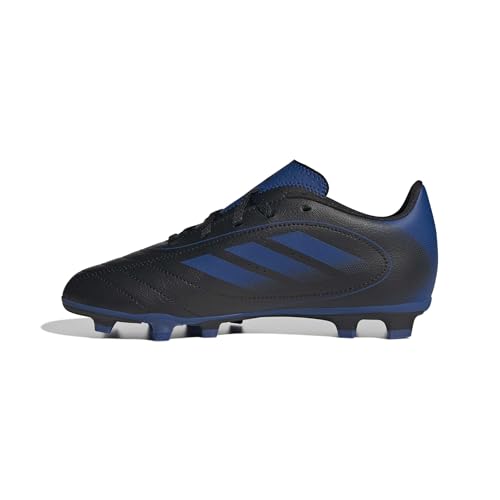
Cleats are specialized athletic shoes equipped with studs or spikes on the outsole, designed to provide traction on grass, turf, and other soft playing surfaces. Unlike regular athletic shoes, cleats dig into the ground to prevent slipping, allowing athletes to accelerate, cut, and change direction with confidence. Choosing the wrong cleat for your sport or surface can lead to poor performance, discomfort, and even injury.
The global cleats market offers options for nearly every sport — from soccer and football to baseball, lacrosse, and track. Each sport has unique demands, which is why understanding the differences between lacrosse cleats, soccer boots, and track spikes is crucial before you invest. For athletes who also need supportive footwear off the field, exploring comfortable shoes for standing all day can complement your athletic rotation.
Lightweight boots with low-profile studs for ball control, agility, and speed on grass or turf.
Built for explosive acceleration and cutting, with wider stud patterns and reinforced support.
Metal or molded studs designed for sprinting, fielding, and grip on dirt and grass infields.
Hybrid traction for quick pivots, sprints, and turf transitions during fast-paced gameplay.
Ultra-light racing shoes with aggressive spikes for maximum speed on synthetic tracks.
Comfort-focused cleats with durable traction for diamond sports and long innings.
One of the most important decisions when buying cleats is choosing the right stud configuration for your playing surface. Using the wrong studs on the wrong surface can damage your shoes, reduce performance, and increase injury risk. Here's a quick breakdown:
| Stud Type | Best For | Stud Shape | Typical Price Range |
|---|---|---|---|
| FG (Firm Ground) | Natural grass, dry fields | Short, fixed conical or bladed studs | $60–$250 |
| SG (Soft Ground) | Wet, muddy natural grass | Long metal or removable studs | $100–$300 |
| AG (Artificial Grass) | Artificial turf pitches | Numerous short, rounded studs | $70–$220 |
| Turf (TF) | Hard turf, older artificial fields | Dozens of small rubber nubs | $50–$180 |
| Indoor (IC) | Futsal, gym floors, hard courts | Flat, non-marking rubber sole | $50–$150 |
💡 Pro Tip: If you play on multiple surfaces, consider owning two pairs — one FG for grass and one AG or turf for artificial pitches. Using FG studs on artificial turf accelerates wear and can cause knee strain. For athletes who stand for long hours off the field, pairing your cleats with supportive arch support inserts for flat shoes can improve overall foot comfort.
Proper fit is critical for cleats. Unlike casual shoes, cleats should feel snug but never painful. A good rule of thumb is to leave about a thumbnail's width (approximately half an inch) between your longest toe and the front of the boot. This prevents toe bruising when you stop suddenly or kick the ball.
Cleats typically run narrower than regular sneakers, so if you have wide feet, look for brands that offer wide sizing options or consider going up half a size. Always try cleats on with the socks you'll wear during games — thin socks for soccer, thicker socks for football or baseball. For a detailed breakdown of measuring your feet at home, see our fit measurement guide and international size chart to convert between US, UK, and EU sizing.
Break-in periods vary by material. Leather cleats mold to your feet over time, while synthetic uppers are game-ready almost immediately. If you're transitioning from regular athletic shoes, you may also benefit from understanding how comfortable shoes for flat feet are structured, as the support principles overlap.
The upper material of your cleats affects touch, durability, water resistance, and weight. Here's how the main options compare:
If you already own leather footwear and want to keep it in top condition, our guides on brown suede shoes and general leather care principles apply to leather cleats as well. Proper shoe storage covers and regular cleaning extend the life of any cleat.
Before you add a pair to your cart, run through this checklist:
💡 Budget Tip: Last season's elite cleats are often discounted 40–60% when new models release. Check shoe sale pages and user favorites for value picks that still perform at a high level. If you're also shopping for casual footwear, browsing men's sneakers on sale can help you build a complete rotation.
Cleats take a beating. Mud, grass, sweat, and constant impact wear them down quickly. Here's how to extend their lifespan:
For players who also deal with foot fatigue or conditions like plantar fasciitis, wearing supportive recovery shoes off the field — such as comfortable shoes for standing all day — can make a noticeable difference in how your feet feel on game day. If you need replacement laces or minor repairs, our laces replacement and heel repair guides can help.
Don't miss a single essential! Our comprehensive checklist covers size, style, material, and must-have comfort features for any footwear purchase.
Read More →From arch support to cushioning. Learn how to select footwear that keeps your feet comfortable through long shifts and demanding days.
Read More →Understand construction quality, materials, and maintenance practices that extend the life of your athletic and everyday footwear.
Read More →The information provided on ShoesTruth is for educational and informational purposes only. We are not professional footwear specialists or cobblers, and our content should not replace professional advice. Always consult with a qualified expert regarding fit, safety, or material-related concerns. Some content may use AI assistance. Always check product warranties and safety standards before purchasing. If you do not agree, please do not use this website. Read the full disclaimer.