
Good Sneakers for Plantar Fasciitis: Your Complete Guide to Heel Pain Relief
Discover how the right sneakers can reduce morning heel pain, support your arch, and keep you comfortable all day. Learn the key features to look for and find your perfect pair.
Living with plantar fasciitis? You're not alone. This common condition affects millions of people, causing sharp heel pain that's often worst with those first steps in the morning. The good news: choosing the right sneakers can make a dramatic difference in your daily comfort. This guide will walk you through exactly what to look for, so you can make an informed decision and get back to pain-free movement.
Understanding Plantar Fasciitis and Why Footwear Matters
Plantar fasciitis is inflammation of the plantar fascia, a thick band of tissue that runs across the bottom of your foot and connects your heel bone to your toes. When this tissue becomes irritated or overstretched, it causes stabbing pain, particularly near the heel. While there are many treatment approaches, your footwear plays a critical role in both managing pain and preventing flare-ups. The wrong shoes can aggravate the condition, while the right ones can provide immediate relief and support healing.
The key is understanding that not all sneakers are created equal. A shoe that works for running might not be ideal for standing all day, and a fashion sneaker might offer zero support. For plantar fasciitis, you need specific features that work together to cushion, support, and stabilize your foot. If you're also dealing with other foot conditions, you might find our guide on stylish shoes with good arch support helpful for expanding your options.
Key Features to Look for in Sneakers for Plantar Fasciitis
1. Heel Cushioning and Shock Absorption
The heel is where plantar fasciitis pain is most intense. Look for sneakers with ample cushioning in the heel area. Materials like EVA foam, gel inserts, or air pods can absorb impact and reduce stress on the plantar fascia. A well-cushioned heel also helps with walking on the outside of your foot, a common compensation pattern for those with heel pain.
2. Arch Support
Proper arch support is non-negotiable for plantar fasciitis. A supportive midsole helps maintain the foot's natural alignment and reduces strain on the plantar fascia. Shoes with removable insoles are a bonus, as you can replace them with custom orthotics if needed. If you have flat feet, which often accompanies plantar fasciitis, our article on comfortable shoes for wide flat feet offers additional guidance.
3. A Slightly Elevated Heel
Counterintuitive as it may seem, a small heel drop (around 8-12mm) can actually relieve tension on the plantar fascia. Flat shoes like flip-flops or minimalist sneakers can make the condition worse. This is why many podiatrists recommend avoiding completely flat footwear, especially during flare-ups.
4. Firm Heel Counter
A firm heel counter (the back part of the shoe that wraps around your heel) provides stability and controls overpronation, which is often linked to plantar fasciitis. A stable heel reduces the amount your foot rolls inward, decreasing strain on the fascia.
5. Rocker Sole or Toe Spring
Many shoes designed for plantar fasciitis feature a rocker sole or a slight upward curve at the toe (toe spring). This design helps reduce the bending motion of the foot during walking, which can be painful. It also encourages a smoother gait cycle.
6. Proper Fit
None of these features matter if the shoe doesn't fit properly. Ensure there's enough room in the toe box (about a thumb's width between your longest toe and the front of the shoe), and that your heel doesn't slip. A proper fit reduces friction and allows the shoe's features to work as intended. For those with very wide feet, our guide on extra wide sandals with arch support can help you find suitable options for warmer weather.
Types of Sneakers That Work Best for Plantar Fasciitis
Stability Sneakers
Stability sneakers are designed to control overpronation and provide a stable platform. They typically feature a firmer midsole on the inner side of the foot, a firm heel counter, and ample arch support. These are an excellent choice for most people with plantar fasciitis.
Motion Control Sneakers
For those with severe overpronation or flat feet, motion control sneakers offer maximum support. They are stiffer and heavier than stability shoes but provide the highest level of stability and cushioning. However, they may be overkill for some people.
Cushioned Neutral Sneakers
If you have a neutral gait and don't overpronate significantly, a well-cushioned neutral sneaker with good arch support can work well. Look for maximum cushioning in the heel and forefoot. Our article on lightweight cushioned running shoes explores this category in more detail.
Walking Sneakers
Walking sneakers are often built with similar support features as running shoes but with a slightly different design for walking-specific needs. They can be a great choice for everyday wear, especially if you're on your feet a lot. For those who need a waterproof option, consider comfortable walking shoes waterproof.
When to Replace Your Sneakers
Even the best sneakers for plantar fasciitis will eventually lose their supportive properties. A general rule of thumb is to replace them every 300-500 miles of walking or running, or every 6-9 months if you wear them daily. Signs it's time for a new pair include worn-out tread, a compressed midsole, and a heel counter that no longer holds your heel firmly. If your shoes are causing discomfort, it's time to shop for a new pair.
Recommended Sneakers for Plantar Fasciitis
⚠️ AFFILIATE DISCLOSURE: This website contains affiliate links. As an affiliate Associate, we earn from qualifying purchases. If you make a purchase through these links, we may receive a small commission at no additional cost to you. Read our full affiliate policy.
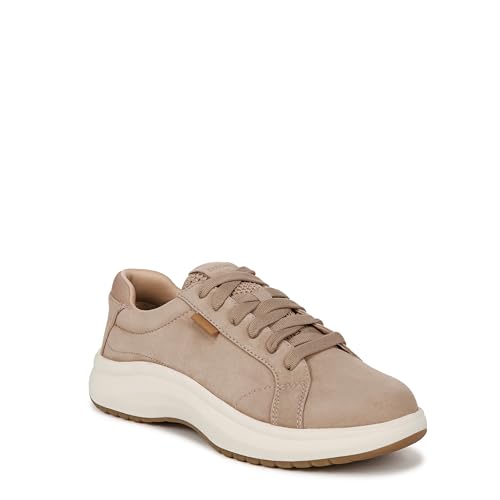
Dr. Scholl's Women's Feel Good Plantar Fasciitis Sneaker Taupe Leather 8 M
Check price on Amazon
BiNHam Women's Walking Shoes for Plantar Fasciitis Pain Relief Arch Support Orthotic Tennis Sneakers Supportive Comfortable for Gym Workout SolidBlack 9
Check price on Amazon
LOCFIR Wide Toe Box Shoes Women, Slip on Sneakers with Arch Support, Non-Slip Plantar Fasciitis Relief Comfort Walking Shoes, Cushion Tennis Work Shoes Black Size 10
Check price on Amazon
Dr. Scholl's Women's Feel Good Plantar Fasciitis Sneaker Gold Leather 8.5 M
Check price on Amazon
LOCFIR Wide Toe Box Walking Shoes Women with Cushioned Arch Support Orthopedic Running Sneakers for Plantar Fasciitis Non-Slip Lightweight Comfortable Breathable Workout Tennis Shoes White Grey US 8
Check price on Amazon
STQ Casual Shoes for Women Plantar Fasciitis Relief Lightweight Orthopedic Comfy Sneakers Light Grey US 8
Check price on AmazonAdditional Tips for Managing Plantar Fasciitis
While choosing the right sneakers is crucial, it's only one part of a comprehensive management plan. Here are some additional strategies:
- Stretching: Gentle stretching of the plantar fascia and calf muscles, especially before getting out of bed, can reduce pain.
- Orthotic Inserts: Custom or over-the-counter orthotic insoles can provide extra support and cushioning. For those with specific issues like underpronation, our guide on orthotic insoles for underpronation may be helpful.
- Rest and Ice: Give your feet a break from high-impact activities and use ice to reduce inflammation.
- Night Splints: These devices keep your foot in a flexed position overnight, stretching the plantar fascia while you sleep.
- Physical Therapy: A physical therapist can teach you targeted exercises and techniques to strengthen your feet and alleviate pain.
If you have specific needs, such as needing shoes that accommodate wider feet or other foot conditions, explore our guides on men's wide sneakers with arch support and women's wide width black tennis shoes. For those who also need dressier options, we have advice on sneakers that look like dress shoes.
Making the Right Choice for Your Feet
Plantar fasciitis doesn't have to dictate your life. By understanding the key features that provide relief and support, you can choose sneakers that help you stay active and comfortable. Remember to prioritize cushioning, arch support, stability, and a proper fit. Whether you're looking for shoes for running, walking, or everyday wear, there are options designed to meet your needs. If you're specifically looking for running shoes, our guide on running shoes for high arches women might be particularly relevant. And for those who need shoes for a standing job, check out our recommendations for comfortable work shoes for standing. If you're also considering other footwear types, you may find our list of shoes podiatrists recommend helpful. Don't let heel pain hold you back—find the right sneakers and take your first steps toward relief today.