Shoes to Wear for Plantar Fasciitis
Explore a broader range of footwear options, from casual to formal, designed to alleviate plantar fasciitis pain.
Read More →
Discover how the right pair of trainers can provide relief, support, and comfort for plantar fasciitis. Learn what to look for and find your perfect fit.
VIEW TOP PICKSLiving with plantar fasciitis? You're not alone. This common condition causes sharp heel pain that can make every step a challenge. The good news is that the right footwear can be a game-changer. This guide will walk you through exactly what makes a trainer effective for plantar fasciitis, so you can make an informed decision and get back to enjoying your daily activities.
A supportive arch is non-negotiable. Trainers with a firm, well-defined arch support help to distribute pressure evenly across your foot, reducing the strain on the plantar fascia ligament. This is crucial for alleviating morning heel pain and preventing further irritation. Look for shoes that cradle your arch without feeling too intrusive.
Shock absorption is key. A trainer with a thick, cushioned heel (especially with materials like EVA or gel) helps to soften the impact of each step, reducing the stress on your heel. A stable heel counter also prevents excessive pronation, which can worsen plantar fasciitis. Brands often highlight these features, so check the specs carefully.
Your trainers should fit perfectly from the start. A tight fit can restrict blood flow and cause discomfort, while a too-loose shoe can lead to friction and instability. If you have wide feet, look for specific comfortable shoes for wide flat feet. For those who need extra room, men's wide sneakers with arch support are a great option.
A soft, cushioned insole provides immediate comfort. Even better, look for trainers with a removable footbed. This allows you to replace the factory insole with your own custom orthotics or a specialized orthotic insole for underpronation, providing a truly personalized level of support and relief.
A moderate heel-to-toe drop (around 8-12mm) is often recommended for plantar fasciitis. This slight elevation in the heel can reduce tension on the Achilles tendon and plantar fascia, providing a more comfortable stride. Shoes with a very flat profile may aggravate symptoms.
The outsole is your first line of defense against hard surfaces. A durable, shock-absorbing rubber outsole provides traction and further dampens impact. This is particularly important if you walk or run on pavement or other hard surfaces. The goal is to minimize the force transmitted to your heel with every step.
⚠️ AFFILIATE DISCLOSURE: This website contains affiliate links. As an affiliate Associate, we earn from qualifying purchases. If you make a purchase through these links, we may receive a small commission at no additional cost to you. Read our full affiliate policy.


Choosing the right trainers is a powerful first step. But remember, the best shoe is the one that fits your unique foot. If your pain persists, always consult a healthcare professional. For more guidance on finding shoes that truly support you, explore our other resources.
What Podiatrists Recommend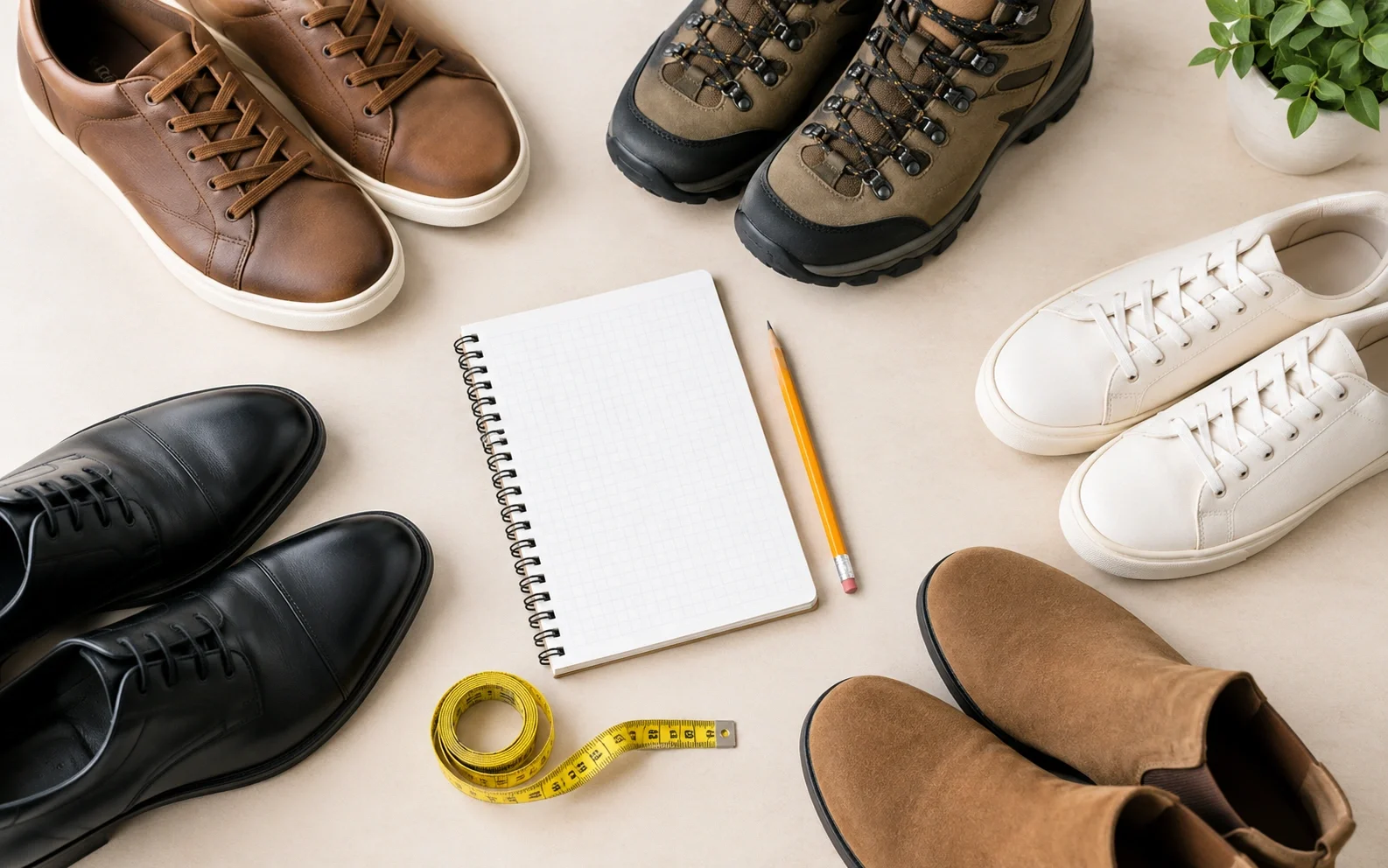
Explore a broader range of footwear options, from casual to formal, designed to alleviate plantar fasciitis pain.
Read More →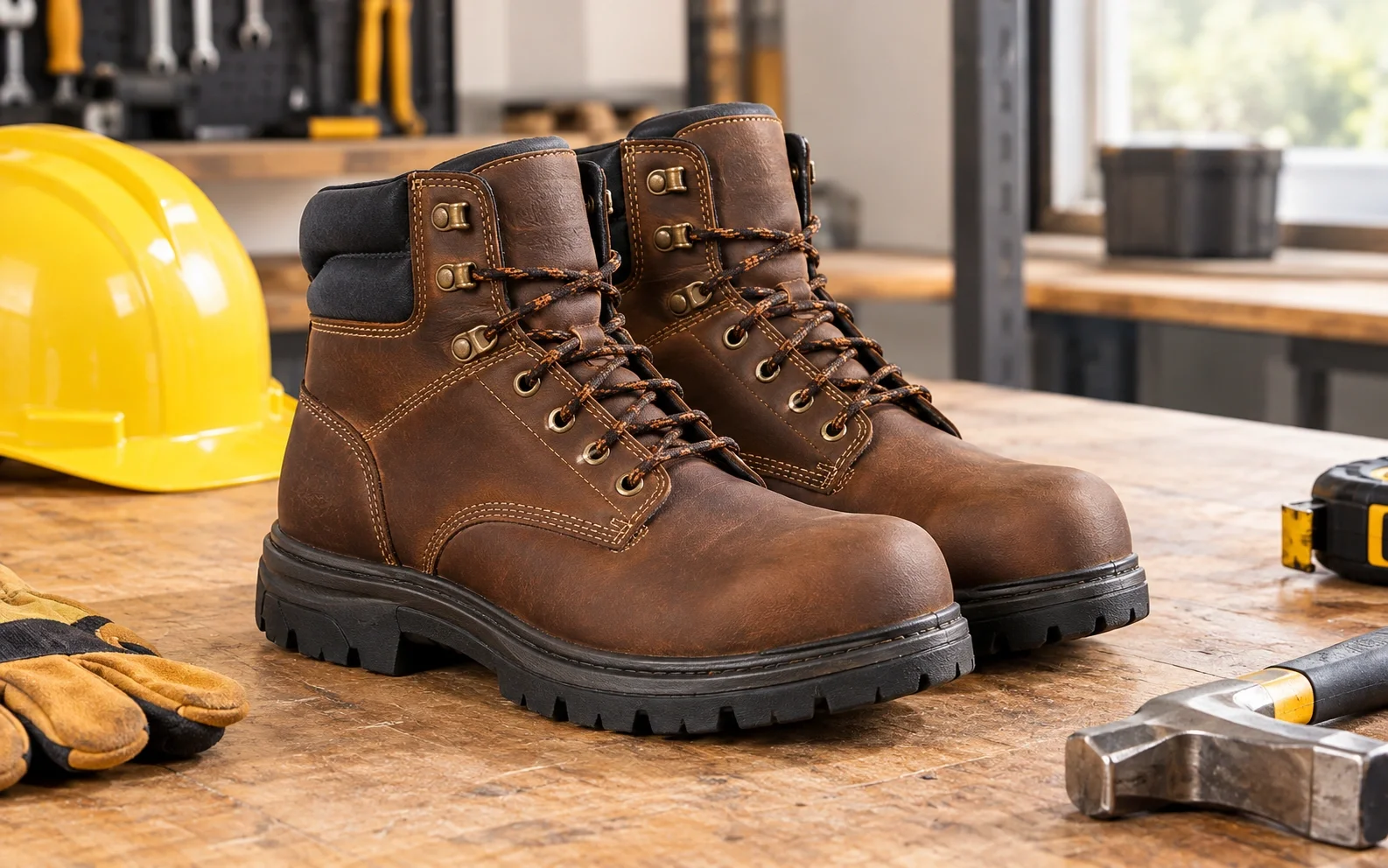
Don't let foot pain sideline your fitness routine. Find workout shoes that provide the support you need.
Read More →
You don't have to sacrifice style for comfort. Discover fashionable footwear that supports your feet.
Read More →The information provided on ShoesTruth is for educational and informational purposes only. We are not professional footwear specialists or cobblers, and our content should not replace professional advice. Always consult with a qualified expert regarding fit, safety, or material-related concerns. Some content may use AI assistance. Always check product warranties and safety standards before purchasing. If you do not agree, please do not use this website. Read the full disclaimer.