
Sandals for Plantar Fasciitis Women: Your Path to Pain-Free Steps
Living with plantar fasciitis doesn't mean giving up on style or comfort. Discover how the right pair of women's sandals can provide the arch support and cushioning you need to relieve heel pain and enjoy every step.
Find Your Perfect PairThe ShoesTruth Promise: We understand that plantar fasciitis can turn simple activities into daily challenges. That's why we've researched the most effective sandal features for women seeking relief. From extra-wide sandals with arch support to stylish options that don't compromise on comfort, this guide will help you make an informed decision.
Best Sandals for Plantar Fasciitis Women
⚠️ AFFILIATE DISCLOSURE: This website contains affiliate links. As an affiliate Associate, we earn from qualifying purchases. If you make a purchase through these links, we may receive a small commission at no additional cost to you. Read our full affiliate policy.

shevalues Orthopedic Sandals for Women, Arch Support Recovery Flip Flops
Check price on Amazon
KuaiLu Womens Slides Sandals with Arch Support Comfort Plantar Fasciitis
Check price on Amazon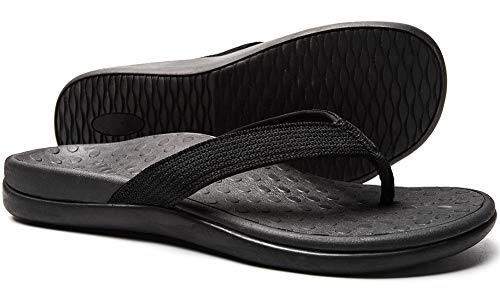
LLSOARSS Plantar Fasciitis Feet sandal with Arch Support - Best Orthotic flip flops for Flat Feet,heel pain- For Women (8 M US, Black)
Check price on Amazon
shevalues Orthopedic Slide Sandals for Women Arch Support Plantar Fasciitis
Check price on Amazon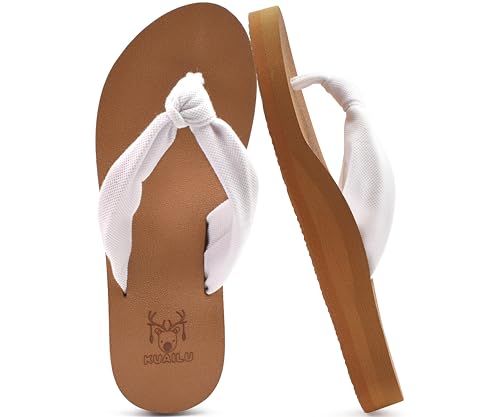
KuaiLu Flip Flops for Women Arch Support Summer Beach Sandals White Size 9
Check price on Amazon
KuaiLu Recovery Sandals Women Comfortable Arch Support Slides Green Size 8
Check price on Amazon
Dr. Scholl's Plantar Fasciitis Pain Patches, with Lidocaine & Menthol, 8 ct
Check price on Amazon
KuaiLu Womens Orthopedic Arch Support Sandals Summer Walking Beige Size 8.5
Check price on AmazonWhy the Right Sandals Matter for Plantar Fasciitis
Plantar fasciitis is one of the most common causes of heel pain, affecting millions of women worldwide. The condition occurs when the plantar fascia—a thick band of tissue that runs across the bottom of your foot and connects your heel bone to your toes—becomes inflamed. This inflammation leads to sharp, stabbing pain, particularly with your first steps in the morning or after long periods of standing.
For women suffering from this condition, footwear choices are critical. While many think of closed shoes when considering supportive footwear, the right sandals can be equally effective—and often more comfortable in warm weather. The key lies in understanding which features provide the necessary support and cushioning to alleviate pain.
Unlike flat, unsupportive flip-flops that can exacerbate the condition, therapeutic sandals are designed with specific features that address the biomechanical issues underlying plantar fasciitis. These include contoured arch support, deep heel cups, and shock-absorbing soles that reduce strain on the plantar fascia.
Essential Features in Sandals for Plantar Fasciitis
When shopping for sandals that will actually help your plantar fasciitis, look for these critical features. Each plays a specific role in reducing pain and preventing flare-ups:
🦶 Contoured Arch Support
The most important feature. A supportive sandal should have a molded footbed that mimics the natural curve of your arch, providing continuous support that reduces tension on the plantar fascia. Look for sandals with firm, not squishy, arch support that maintains its shape throughout the day.
🦶 Deep Heel Cup
A deep heel cup cradles your heel bone, keeping it in proper alignment and absorbing shock with each step. This reduces the pulling force on the plantar fascia at its attachment point on the heel, which is where inflammation typically occurs.
🦶 Cushioned Midsole
Shock absorption is crucial. A cushioned midsole made from materials like EVA or memory foam helps distribute pressure evenly across your foot, reducing impact on the heel. The cushioning should be firm enough for support but soft enough for comfort.
🦶 Adjustable Straps
Adjustability allows you to customize the fit to your foot's unique shape. This is especially important if you experience swelling or have wide feet. Look for sandals with multiple adjustable points, such as at the ankle and across the instep.
🦶 Lightweight Construction
Heavy sandals can tire your feet and alter your gait, potentially worsening plantar fasciitis. Lightweight materials reduce fatigue and allow for a more natural walking motion, which is gentler on your plantar fascia.
🦶 Non-Slip Outsole
A durable, non-slip outsole provides stability and prevents slips that can cause sudden movements and jolt your heel. This is particularly important if you'll be walking on varied surfaces.
Sandals vs. Other Footwear for Plantar Fasciitis
Understanding how sandals compare to other footwear options can help you make the best choice for your lifestyle and condition:
| Footwear Type | Arch Support | Breathability | Ease of Use | Best For |
|---|---|---|---|---|
| Supportive Sandals | Excellent (with contoured footbed) | Excellent | Easy slip-on | Warm weather, casual wear, all-day comfort |
| Athletic Shoes | Excellent | Moderate | Lace-up required | Exercise, prolonged walking, sports |
| Flat Flip-Flops | Poor to None | Excellent | Very easy | Short distances only (not recommended) |
| Dress Shoes | Variable (often poor) | Poor | Variable | Formal occasions (look for supportive options) |
| Orthopedic Clogs | Excellent | Good | Easy slip-on | Work, standing all day, cooler weather |
Top Sandal Styles for Women with Plantar Fasciitis
Different styles offer different benefits. Here's what to consider when choosing the right style for your needs:
- Sport Sandals: These offer the most support and adjustability, often featuring multiple straps and rugged outsoles. They're ideal for walking and outdoor activities. Many women find that comfortable stylish walking sandals provide the perfect balance of function and fashion.
- Slide Sandals with Arch Support: Easy to slip on and off, these are great for around the house or quick errands. The key is choosing ones with a molded footbed rather than flat soles.
- Ankle-Strap Sandals: These provide additional stability by securing your foot to the footbed, preventing the micro-movements that can aggravate plantar fasciitis. Look for extra-wide options with arch support if you have wider feet.
- Wedge Sandals: A moderate wedge (1-2 inches) can actually be beneficial as it slightly elevates the heel, reducing tension on the plantar fascia. However, avoid high wedges that alter your gait significantly. Comfortable wedge shoes for walking can be a great choice when designed with support in mind.
- Orthopedic Sandals: Specifically designed for foot conditions, these prioritize support and cushioning above all else. They may not be the most fashionable, but they're often the most effective for severe cases.
How to Choose the Perfect Pair: A Buying Guide
Finding the right sandals for your plantar fasciitis requires more than just looking for "arch support" on a label. Here's a step-by-step approach to making the best choice:
1. Assess Your Foot Type: Knowing whether you have flat feet, high arches, or neutral arches helps determine the level of support you need. Women with flat feet often benefit from firmer arch support, while those with high arches may need more cushioning. If you're unsure, consider consulting a podiatrist or reading about which shoes podiatrists recommend.
2. Consider Your Activities: Will you be wearing these sandals for walking, standing, or casual wear? For prolonged standing, look for maximum cushioning and support. For walking, prioritize lightweight design and flexibility. If you need sandals for travel, comfortable stylish shoes for travel are essential.
3. Try Before You Buy: Whenever possible, try sandals on in person. Walk around the store to assess comfort. If shopping online, choose retailers with generous return policies. Pay attention to how the arch support feels—it should be noticeable but not uncomfortable.
4. Check the Fit: Your heel should sit securely in the heel cup without slipping. Your toes should not hang over the edge of the sandal. The straps should be adjustable to accommodate any swelling. If you have wide feet, look for cute sandals for women with big feet that don't compromise on support.
5. Break Them In Gradually: Even the best sandals may need a break-in period. Start by wearing them for short periods and gradually increase the duration. This allows your feet to adapt and prevents new discomfort.
Ready to Take the First Step Toward Pain Relief?
Browse our curated selection of sandals specifically chosen for women with plantar fasciitis. Each option offers the support and comfort you need to stay active and pain-free.
Shop Recommended SandalsAdditional Tips for Managing Plantar Fasciitis
While the right sandals are essential, they're part of a broader approach to managing plantar fasciitis. Consider these additional strategies:
- Stretching Exercises: Regular stretching of the plantar fascia and calf muscles can significantly reduce pain and prevent recurrence. Simple stretches like rolling your foot over a frozen water bottle or performing calf stretches can make a big difference.
- Orthotic Inserts: If your sandals need extra support, consider adding orthotic inserts. Some sandals come with removable footbeds that can be replaced with custom or over-the-counter orthotics. You might also explore orthotic insoles for underpronation if that's a factor in your condition.
- Weight Management: Maintaining a healthy weight reduces the stress on your plantar fascia. Even a modest weight loss can significantly decrease heel pain.
- Rest and Ice: When pain flares up, rest and ice your heel to reduce inflammation. Avoid activities that exacerbate the condition until the pain subsides.
- Night Splints: Wearing a night splint can keep your plantar fascia stretched while you sleep, reducing morning pain. These are available over-the-counter or by prescription.
- Professional Help: If pain persists despite your efforts, consult a podiatrist or physical therapist. They can provide personalized treatment plans, including custom orthotics, physical therapy, or other interventions. If you're also looking for good trainers for plantar fasciitis, a specialist can guide you toward the best options.
Explore More Footwear Solutions
Plantar fasciitis doesn't have to limit your footwear choices. Whether you're looking for shoes to wear for plantar fasciitis beyond sandals, or you need workout shoes for plantar fasciitis for your fitness routine, there are supportive options for every occasion. For those who need extra width, extra-wide sandals for swollen feet can provide the comfort you need without compromising on support. And if you're looking for a closed-toe alternative, women's extra-wide closed-toe sandals offer similar benefits with additional protection.
Frequently Asked Questions
Can I wear sandals if I have plantar fasciitis?
Yes, you absolutely can—but not all sandals are created equal. The key is choosing sandals with proper arch support, a deep heel cup, and cushioning. Avoid flat, unsupportive flip-flops that can worsen the condition. With the right features, sandals can be an excellent choice for warm weather and everyday wear.
How do I know if a sandal has enough arch support?
A good test is to press your thumb into the footbed where your arch would sit. It should feel firm and contoured, not flat or excessively soft. When you wear the sandal, you should feel the arch support making contact with your foot without causing discomfort. If the arch support feels like a hard lump, it's too aggressive; if you can't feel it at all, it's insufficient.
Are expensive sandals always better for plantar fasciitis?
Not necessarily. While higher-priced sandals often use better materials and construction, there are affordable options that provide excellent support. The key is focusing on features rather than price. Many quality sandals for plantar fasciitis fall in the $50–$150 range, and some budget-friendly options perform just as well as premium brands.
How often should I replace my sandals?
Sandals generally need replacement every 1–2 years with regular wear, or sooner if the footbed becomes compressed and loses its supportive shape. If you notice that your sandals no longer provide the same level of comfort or support, it's time for a new pair. Worn-out sandals can actually make plantar fasciitis worse.
Can sandals help prevent plantar fasciitis?
Yes. If you're prone to plantar fasciitis or have had it in the past, wearing supportive sandals can help prevent recurrence. By providing proper arch support and cushioning, you reduce the strain on your plantar fascia and maintain better foot alignment.