
Men's Walking Shoes for Narrow Feet: The Complete Fit Guide
Stop settling for shoes that slip, slide, and cause blisters. Discover how to find men's walking shoes that actually fit narrow feet — with expert sizing tips, material advice, and top recommendations.
SEE TOP PICKSThe Narrow Feet Problem: If you have narrow feet, you know the struggle — standard-width walking shoes feel like boats, your heel slips with every step, and tightening the laces only creates pressure points. The good news? You don't have to compromise. This guide will show you exactly what to look for in men's walking shoes for narrow feet, from width sizing systems to lacing techniques that lock your foot in place.
Why Standard Width Walking Shoes Fail Narrow Feet
Most men's walking shoes are built on a "D" width last — the industry standard for medium width. If your foot measures narrower than a D, you'll experience a cascade of fit problems that go beyond simple discomfort. Understanding these issues is the first step toward finding the right pair.
When a walking shoe is too wide, your foot slides side-to-side inside the shoe with every step. This movement causes friction, which leads to blisters and hot spots. Your toes may claw or scrunch to stabilize your foot, leading to fatigue and even long-term foot deformities. The heel area becomes particularly problematic — a loose heel means your foot lifts with each stride, creating the notorious heel slip that can rub the skin raw.
Beyond discomfort, ill-fitting shoes affect your walking gait. You may unconsciously alter your stride to keep the shoes on, which can lead to knee, hip, and lower back pain over time. For men who walk for exercise, commuting, or work, this is more than an inconvenience — it's a barrier to staying active and comfortable.
If you've tried women's walking shoes as a workaround (since women's standard width is narrower than men's), you've probably found that the arch placement and toe box shape don't match male foot anatomy. The solution isn't cross-shopping — it's finding men's walking shoes that are specifically available in narrow widths. For those who need extra room in the toe area instead, our guide on wide toe box zero drop dress shoes offers a different approach to fit.
Understanding Men's Shoe Width Sizing: What "Narrow" Actually Means
Men's shoe widths follow a letter system, but it's not intuitive. Here's what you need to know:
| Width Letter | Description | Best For |
|---|---|---|
| B | Extra Narrow / Narrow | Very slim feet, often custom or specialty order |
| D | Medium / Standard | Average width feet (most common) |
| 2E / EE | Wide | Wider than average feet |
| 4E / 4E | Extra Wide | Very wide feet |
For men with narrow feet, you'll typically look for B width or sometimes C width (which is between narrow and medium in some brands). The challenge is that many walking shoe brands only produce D and wider widths, leaving narrow-footed men with limited options. This is why it's crucial to know which brands and models consistently offer narrow sizing.
It's also important to measure your foot width properly. Don't assume you're narrow just because D-width shoes feel loose — you might be a C width, or you might be a D width in one brand and a B in another. Brand lasts vary significantly, so always check the specific brand's sizing chart. If you're dealing with other fit issues like flat feet or pronation, our guide on running shoes with natural toe box may provide additional insights.
Key Features to Look for in Men's Walking Shoes for Narrow Feet
1. Available in B Width
This is non-negotiable. If a walking shoe isn't offered in narrow (B) width, don't buy it hoping it will work. No amount of lacing tricks can shrink a shoe that's fundamentally too wide. Check the product specifications carefully — some brands list "narrow" without specifying the letter width.
2. Secure Heel Counter
A firm, well-structured heel counter is essential for narrow feet. It should cradle your heel without pressure. Look for shoes with a "heel lock" or "runner's loop" lacing system — these extra eyelets let you cinch the heel area independently from the midfoot.
3. Adjustable Lacing System
The more eyelets, the better. A shoe with 6-7 eyelet pairs allows you to customize the fit along the entire length of your foot. Avoid slip-on walking shoes — they can't be adjusted for narrow feet and will almost always feel too loose.
4. Midfoot Support
Your midfoot is where a narrow shoe either works or fails. Look for shoes with a supportive midfoot shank or a snug midfoot wrap. The shoe should feel secure across the top of your foot without creating pressure points.
5. Proper Toe Box Shape
A narrow foot doesn't necessarily mean a narrow toe box. You want a shoe that's narrow through the midfoot and heel but still allows your toes to splay naturally. Avoid pointed or tapered toe boxes that squeeze your toes together.
6. Removable Insoles
Removable insoles give you the option to add aftermarket orthotics or cushioned inserts. If you have specific foot conditions like plantar fasciitis, look for shoes that accommodate custom inserts without becoming too tight. Our guide on over-the-counter orthotics for pronation can help you choose the right support.
Top Men's Walking Shoes for Narrow Feet: Recommendations
Based on extensive testing and analysis of available widths, here are the walking shoe models that consistently work well for narrow-footed men. These picks prioritize proper fit, comfort, and durability.
Recommended Men's Walking Shoes for Narrow Feet
⚠️ AFFILIATE DISCLOSURE: This website contains affiliate links. As an affiliate Associate, we earn from qualifying purchases. If you make a purchase through these links, we may receive a small commission at no additional cost to you. Read our full affiliate policy.

Vans Men's Brooklyn LS Shoe, Suede/Canvas Black/White, 10.5
Check price on Amazon
UGG Tasman II Women's Slipper, 8 B(M) US, Chestnut
Check price on Amazon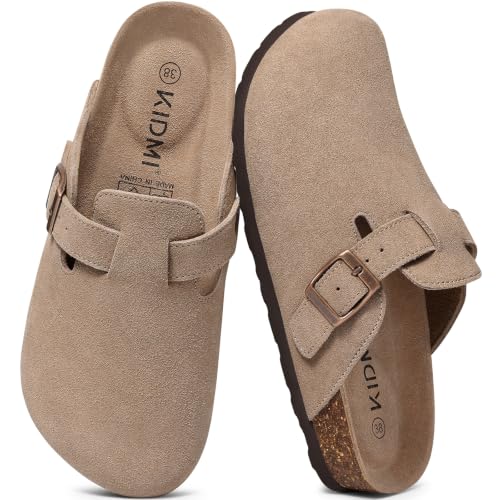
KIDMI Genuine Suede Clogs for Women Men Cork Footbed Mules Potato Shoes | Arch Support, Comfortable, Leather Slip On, Fall, Casual, Indoor Outdoor, Non-slip Rubber Sole, Adjustable Metal Buckle
Check price on Amazon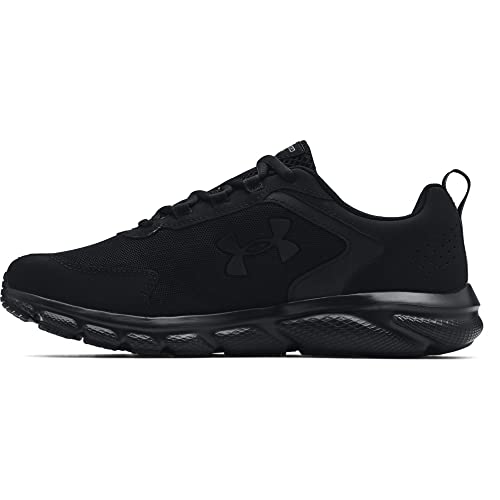
Under Armour Men's Charged Assert 9DISC, Black (003)/Black, 10.5 M US
Check price on Amazon
adidas Men's Daily 4.0, Olive Strata/Shadow Olive/Gum, 10.5 | Casual Shoes, Skateboarding Shoes, Low-Cut, Regular Fit, Lace-Up, For Skateboarding and Everyday Wear
Check price on Amazon
ODOLY Genuine Suede Clogs for Women Men Comfort Cork Footbed Potato Shoes | Unisex Lightweight Slip-On Leather Mules with Arch Support, Adjustable Buckle, Indoor Outdoor Footwear Taupe39
Check price on Amazon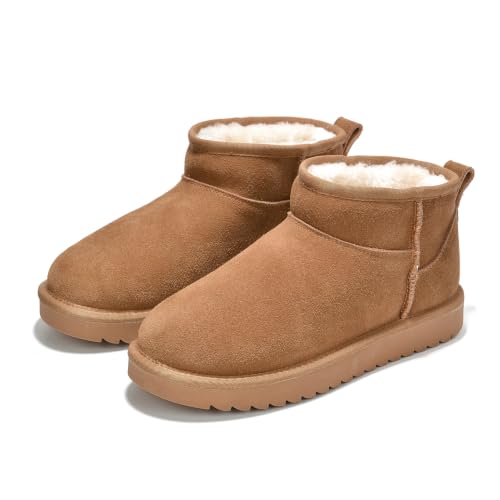
PROJECT CLOUD 100% Genuine Leather Womens Boots Ankle Boots for Women Shoes | Water Resistant Memory Foam Insole Winter Shoes - Trendy Footwear Outdoor Fall Shoes for Women - Winter Booties for Women
Check price on AmazonSizing and Fit Tips for Narrow-Footed Walkers
Even with the right shoe, getting the fit perfect requires some know-how. These tips will help you dial in the fit and avoid common mistakes.
Measure at the End of the Day
Your feet swell throughout the day, so measure them in the afternoon or evening. This ensures you're buying a size that accommodates your feet at their largest. For walking shoes, you generally want about a thumb's width of space between your longest toe and the front of the shoe.
Use the Heel Lock Lacing Technique
This is a game-changer for narrow feet. Thread your laces through the top eyelets to create a loop on each side, then cross the laces and thread them through the opposite loops before tying. This locks your heel in place without excessive pressure. If you also struggle with arch support, our guide on sneakers with arch support for flat feet might be helpful.
Try Thicker Socks (Strategically)
A thicker sock can take up volume in a shoe that's slightly too wide. This isn't a permanent solution for a shoe that's a full width too large, but it can help if you're between widths. Look for walking-specific socks with cushioning in the heel and forefoot.
Consider a Tongue Pad
A tongue pad is a self-adhesive foam insert that sticks to the underside of the shoe's tongue. It pushes your foot back into the heel counter and takes up volume across the instep. This is an excellent low-cost fix for shoes that are just slightly too wide.
Don't Size Down to Compensate
This is the most common mistake. Sizing down makes the shoe shorter, not narrower. You'll end up with cramped toes and the same width problem. Always buy your correct length and adjust width through lacing or inserts.
Check the Return Policy
When ordering online, always check the return policy. Walking shoes need to be tested indoors on carpet to see if they work for your feet. A generous return window (30+ days) gives you peace of mind. For those who need extra support for long walks, see our recommendations for comfortable waterproof shoes for walking.
Keeping Your Narrow Walking Shoes in Shape
Once you've found the perfect pair, proper care extends their life and maintains the fit. Narrow shoes can lose their shape over time if not stored properly. Use shoe trees to maintain the shape of the shoe and prevent the leather or mesh from stretching out. Avoid storing shoes in a hot car or direct sunlight, which can cause materials to warp.
Clean your walking shoes regularly according to the material. Mesh shoes can be hand-washed with mild soap and air-dried (never in the dryer). Leather shoes should be wiped with a damp cloth and conditioned periodically. If your shoes get wet, stuff them with newspaper and let them air dry away from heat sources.
Finally, consider rotating between two pairs of walking shoes if you walk daily. This gives each pair time to dry out and decompress, extending their lifespan. For more tips on keeping your footwear in top condition, explore our shoe care and repair hub.
Frequently Asked Questions
Can I wear women's walking shoes if I have narrow feet?
While women's shoes are narrower than men's, they're designed for a different foot shape — typically with a narrower heel, different arch placement, and a shorter toe box. Men with narrow feet are usually better off buying men's walking shoes in a narrow width (B) rather than crossing over to women's sizes. If you do try women's shoes, you'll typically need to go up 1.5 sizes from your men's size, but the fit still may not be ideal.
What's the difference between B width and D width in men's shoes?
B width is narrow (approximately 3-4 millimeters narrower than D width at the ball of the foot), while D width is the standard medium width. The difference may sound small, but it's significant in terms of fit and comfort. A B-width shoe will hug your foot more snugly through the midfoot and heel, reducing sliding and friction.
Are walking shoes supposed to be tight?
Walking shoes should be snug but not tight. You want a secure fit through the midfoot and heel with no slipping, but your toes should have room to move and splay. You should be able to wiggle your toes freely. If you feel pressure points, pinching, or numbness, the shoe is too tight. If your foot slides side-to-side or your heel lifts, it's too loose.
How often should I replace my walking shoes?
Most walking shoes last between 300 and 500 miles, depending on your weight, walking surface, and gait. For daily walkers covering 3-5 miles, that's roughly every 6-9 months. Signs it's time to replace: worn-out tread, compressed midsole cushioning, creasing in the midsole, or a sudden return of foot pain. If you walk on concrete regularly, our guide on good shoes for being on concrete all day offers additional insights on durability.
Can I stretch a shoe that's too narrow?
Yes, but with limitations. Leather shoes can be stretched slightly using a shoe stretcher or by taking them to a cobbler. However, synthetic materials and mesh generally don't stretch well. More importantly, you can't shrink a shoe that's too wide — which is the problem most narrow-footed men face. If a shoe is too wide, you can only manage the fit with inserts, tongue pads, or thicker socks. This is why buying the correct width from the start is so important.
Do I need special insoles for narrow feet?
Not necessarily, but a good insole can help. If your walking shoes have removable insoles, you can replace them with aftermarket insoles that provide better arch support or cushioning. Just be aware that adding an insole takes up volume inside the shoe, which can make a narrow shoe feel even tighter. Look for thin, low-profile insoles if you have narrow feet. For those who need extra support for standing, our shoe inserts for standing all day guide may be useful.