
Orthopedic Shoes for Amputated Toes: Complete Buying Guide
Discover how to find the right footwear for missing toes. Learn about fit, pressure relief, protection, and features that keep you comfortable and mobile.
SEE RECOMMENDED SHOESWhy Footwear Matters After Toe Amputation: Losing one or more toes changes how your foot bears weight, balances, and fits into shoes. The right orthopedic footwear can prevent ulcers, reduce pain, improve stability, and protect your feet from further complications. This guide will help you understand exactly what to look for.
Why Special Shoes Are Necessary After Toe Amputation
Toe amputation—whether from diabetes, injury, infection, or vascular disease—alters the biomechanics of your foot. The remaining toes and metatarsals must compensate for the missing structures, which can lead to increased pressure on specific areas, calluses, and even ulcers. Standard shoes often have a toe box that is too shallow or too narrow, causing friction and discomfort.
Orthopedic shoes for amputated toes are designed with a deeper, wider toe box, seamless interiors, and removable insoles to accommodate custom orthotics. They also offer superior cushioning and shock absorption to protect the foot during walking. If you have other foot conditions like walking on the outside of your foot or need stylish shoes with good arch support, the principles of proper fit remain essential.
Key Features to Look For in Orthopedic Shoes for Amputated Toes
Deep & Wide Toe Box
A roomy toe box prevents pressure on the amputation site and allows room for swelling. Look for shoes with extra depth—often removable insoles create additional space. This is especially important if you also have swollen feet.
Seamless Interior
Seams can rub against sensitive areas and cause blisters or ulcers. Choose shoes with a smooth, seamless lining to minimize friction. This is a common recommendation from podiatrists for anyone with foot conditions requiring specialized footwear.
Removable Insoles
Removable insoles allow you to insert custom orthotics or extra padding. They also make it easy to clean and replace when worn out. If you need extra arch support, consider orthotic insoles for underpronation.
Stable Sole & Cushioning
A firm heel counter and a cushioned midsole improve stability and absorb shock. This reduces stress on the remaining toes and the ball of the foot. For those with wide flat feet, a supportive sole is especially beneficial.
Adjustable Closure
Velcro, hook-and-loop straps, or elastic laces make it easy to adjust the fit as swelling changes throughout the day. This is a must-have for anyone with wide shoes with velcro straps.
Lightweight & Breathable
Heavy shoes can cause fatigue. Look for breathable materials like mesh or soft leather to keep feet dry and comfortable. If you need lightweight velcro shoes for elderly users, these features are particularly important.
Best Shoe Types for Amputated Toes
Depending on your lifestyle and the extent of the amputation, different shoe styles may work better for you. Here are the most recommended categories:
- Extra-Depth Athletic Shoes: These offer a roomy toe box, removable insoles, and excellent cushioning. Ideal for daily wear and walking. Many people also find comfortable waterproof walking shoes helpful for outdoor use.
- Therapeutic Diabetic Shoes: Designed specifically for sensitive feet, these shoes have seamless interiors, extra depth, and often come with custom orthotics. They are a top choice for orthopedic house slippers for women as well.
- Casual Orthopedic Sneakers: Brands that specialize in orthopedic footwear offer stylish sneakers with all the necessary features. If you prefer a more casual look, men's wide sneakers with arch support are a great option.
- Adjustable Sandals: For warmer weather, sandals with adjustable straps can accommodate swelling and provide breathability. Look for extra wide sandals with arch support.
- Custom-Made Shoes: In severe cases, custom orthopedic shoes may be necessary. They are molded to your foot shape and offer the highest level of protection.
Pros and Cons of Orthopedic Shoes for Amputated Toes
Advantages
- Reduces pressure on the amputation site
- Prevents ulcers and skin breakdown
- Improves balance and stability
- Accommodates swelling and custom orthotics
- Often covered by insurance or Medicare
- Available in stylish designs for everyday wear
Considerations
- May be more expensive than standard shoes
- Limited style options compared to regular footwear
- Requires proper fitting by a professional
- Some shoes can be heavier
- Insurance coverage varies by provider
Recommended Orthopedic Shoes for Amputated Toes
⚠️ AFFILIATE DISCLOSURE: This website contains affiliate links. As an affiliate Associate, we earn from qualifying purchases. If you make a purchase through these links, we may receive a small commission at no additional cost to you. Read our full affiliate policy.

UGG Tasman II Women's Slipper, 8 B(M) US, Chestnut
Check price on Amazon
adidas Men's Daily 4.0, Olive Strata/Shadow Olive/Gum, 10 | Casual Shoes, Skateboarding Shoes, Low-Cut, Regular Fit, Lace-Up, For Skateboarding and Everyday Wear
Check price on Amazon
Bruno Marc Men's KnitFlex Breeze Casual Dress Sneakers,Black,12 | Breathable Lightweight Mesh Lace-Up Derby Walking Shoes for Work & Weekend
Check price on Amazon
ODOLY Genuine Suede Clogs for Women Men Comfort Cork Footbed Potato Shoes | Unisex Lightweight Slip-On Leather Mules with Arch Support, Adjustable Buckle, Indoor Outdoor Footwear Taupe39
Check price on Amazon
IQYNAM Slip Resistant Work Shoes for Men Women Tennis Workout Gym Black 12 | Breathable,Comfortable,Slip on Sneakers,Running,Athletic,Sport,Walking,Standing,Zapatos,Unisex
Check price on Amazon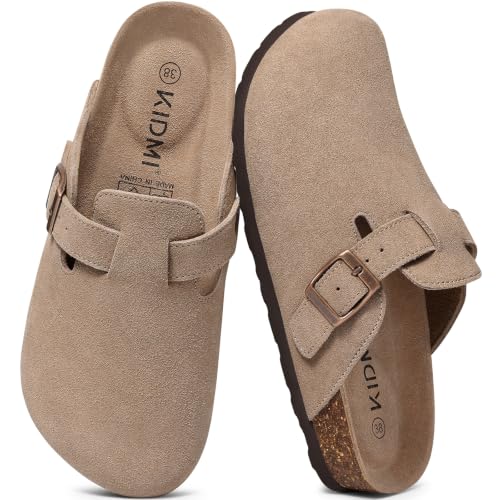
KIDMI Genuine Suede Clogs for Women Men Cork Footbed Mules Potato Shoes | Arch Support, Comfortable, Leather Slip On, Fall, Casual, Indoor Outdoor, Non-slip Rubber Sole, Adjustable Metal Buckle
Check price on Amazon
Nike Men's Court Vision Low Next Nature Shoes, Pencil Point/White, 13
Check price on AmazonHow to Choose the Right Fit
Getting the right fit is critical. Follow these steps to ensure your shoes support your feet properly:
- Measure Your Feet: Measure both feet at the end of the day when they are largest. Use a Brannock device or trace your foot on paper. If you have wide feet, look for specific wide-width options.
- Check the Toe Box: Ensure there is at least half an inch of space between your longest toe and the front of the shoe. The toe box should be deep enough to prevent pressure on the top of your foot.
- Test the Width: The shoe should feel snug around the heel and midfoot but not tight. If you have extra wide feet, consider shoes designed for extra width.
- Walk Around: Always try shoes on and walk on a hard surface. Check for any rubbing or pressure points.
- Consult a Professional: A podiatrist or orthotist can recommend specific brands and even create custom orthotics. They can also advise if you need orthotic insoles.
Maintenance and Care Tips
Proper care extends the life of your orthopedic shoes and protects your feet:
- Inspect your shoes regularly for worn insoles, tears, or debris.
- Clean according to the manufacturer's instructions—most can be wiped with a damp cloth.
- Replace removable insoles every 6–12 months or as recommended by your podiatrist.
- Rotate between two pairs of shoes to allow them to dry and decompress.
- Check your feet daily for any redness, blisters, or sores.
Frequently Asked Questions
Can I wear regular shoes after toe amputation?
In some cases, you may be able to wear regular shoes if they have a deep and wide toe box. However, most people need orthopedic shoes to prevent pressure and friction. Always consult your doctor or podiatrist before switching to regular footwear.
Are orthopedic shoes for amputated toes covered by insurance?
Many insurance plans, including Medicare, cover therapeutic shoes and custom inserts for people with diabetes or specific foot conditions. Check with your provider for details and requirements.
How often should I replace my orthopedic shoes?
Generally, orthopedic shoes should be replaced every 6–12 months, depending on wear. If the soles are worn out or the cushioning has flattened, it's time for a new pair.
Can I use custom orthotics in orthopedic shoes?
Yes, most orthopedic shoes come with removable insoles specifically to accommodate custom orthotics. This ensures a perfect fit and maximum support.
Ready to Find Your Perfect Pair?
Explore our recommended orthopedic shoes for amputated toes and take the first step toward comfortable, protected feet.
VIEW RECOMMENDED SHOES