Barefoot Shoes: Are They Good for Your Feet?

Discover the science, benefits, and risks of minimalist footwear. Learn whether barefoot shoes can help you build stronger feet or if they might cause more harm than good.

GET THE VERDICT

The barefoot shoe movement has exploded in popularity over the past decade, promising stronger feet, better posture, and a more natural walking experience. But with so many claims floating around, it's fair to ask: are barefoot shoes actually good for your feet?

The short answer is: it depends. For some people, barefoot shoes can be transformative. For others, they can lead to pain, injury, or worsened foot conditions. The key lies in understanding what barefoot shoes do, how they differ from conventional footwear, and whether your feet are ready for the transition.

In this comprehensive guide, we'll break down the science behind barefoot shoes, explore their benefits and drawbacks, and help you decide if minimalist footwear is the right choice for your feet. Whether you're dealing with flat feet, plantar fasciitis, or simply curious about foot health, this guide will give you the clarity you need.

What Are Barefoot Shoes?

Barefoot shoes — also called minimalist shoes or zero-drop shoes — are designed to mimic the experience of walking barefoot while still protecting your feet from rough terrain, sharp objects, and extreme temperatures. They typically feature:

Popular barefoot shoe brands include Vivobarefoot, Xero Shoes, Merrell, and Vibram FiveFingers, among others. Prices typically range from $80 to $160 for a quality pair, though some premium models can exceed $200.

The Science: What Happens to Your Feet in Barefoot Shoes?

To understand whether barefoot shoes are good for your feet, we need to look at what happens when you wear them. Here's what research and podiatric experts have observed:

1. Foot Muscle Activation

When you wear conventional shoes with thick cushioning and arch support, your foot muscles don't have to work as hard. Over time, this can lead to muscle weakness. Barefoot shoes force your feet to engage more muscles with every step, potentially strengthening the intrinsic muscles of the foot. A 2015 study published in Footwear Science found that habitually barefoot individuals had stronger foot muscles than those who wore conventional shoes.

2. Gait Changes

Barefoot shoes encourage a forefoot or midfoot strike rather than a heel strike. This can reduce impact forces on the heel and knee, but it also places more demand on the calf muscles and Achilles tendon. For people with Achilles tendonitis, this transition needs to be handled carefully.

3. Proprioception and Balance

The thin sole of barefoot shoes provides more sensory feedback from the ground, which can improve proprioception (your sense of body position) and balance. This is particularly beneficial for older adults or anyone looking to improve stability. However, if you have high arches or need extra support, the lack of cushioning may be problematic.

4. Toe Splay and Alignment

The wide toe box of barefoot shoes allows your toes to spread naturally, which can improve foot alignment and reduce issues like bunions and hammertoes over time. In contrast, narrow conventional shoes can compress toes and contribute to deformities.

Key Takeaway: Barefoot shoes can strengthen foot muscles, improve balance, and promote natural alignment — but they require a gradual transition and may not be suitable for everyone, especially those with existing foot conditions or structural issues.

Barefoot Shoes: Pros and Cons

Like any footwear choice, barefoot shoes come with trade-offs. Here's a balanced look at the advantages and disadvantages:

✅ Potential Benefits

  • Strengthens foot and ankle muscles
  • Improves balance and proprioception
  • Encourages natural toe splay and alignment
  • May reduce heel strike impact
  • Lightweight and packable for travel
  • Can help with certain foot conditions when used correctly
  • Promotes a more natural walking gait

⚠️ Potential Drawbacks

  • Requires a slow, careful transition period
  • Can cause calf and Achilles strain if rushed
  • Minimal protection on rough or hot surfaces
  • Not ideal for people with certain foot conditions
  • Limited cushioning for high-impact activities
  • May worsen plantar fasciitis if introduced too quickly
  • Can be expensive compared to conventional shoes

Who Are Barefoot Shoes Good For?

Barefoot shoes can be beneficial for a wide range of people, but they're not a one-size-fits-all solution. Here's who might benefit most:

Good Candidates for Barefoot Shoes:

Who Should Avoid or Be Cautious:

Barefoot Shoes vs. Conventional Shoes: Key Differences

To better understand what you're getting with barefoot shoes, here's a side-by-side comparison:

Feature Barefoot Shoes Conventional Shoes
Heel-to-Toe Drop 0 mm (zero drop) 8–12 mm (typical running shoes)
Toe Box Wide, allows natural toe splay Narrow, compresses toes
Sole Thin, flexible, minimal cushioning Thick, cushioned, often rigid
Arch Support None — relies on natural arch Built-in arch support
Weight Lightweight (often under 8 oz) Heavier (10–14 oz typical)
Ground Feel High — you feel the terrain Low — cushioning dampens feedback
Muscle Engagement High — foot muscles work more Low — muscles rely on shoe support
Transition Period Required (weeks to months) None

How to Transition to Barefoot Shoes Safely

If you decide barefoot shoes are right for you, the transition is everything. Rushing it is the number one cause of injury and disappointment. Here's a safe, gradual approach:

Pro Tip: Rotate your barefoot shoes with conventional shoes during the transition. This gives your feet and legs time to adapt without overloading them. If you're dealing with specific conditions like plantar fasciitis, consult a podiatrist before making the switch.

Barefoot Shoes and Common Foot Conditions

How do barefoot shoes interact with specific foot problems? Here's a breakdown:

Plantar Fasciitis

This is a tricky one. Some people find that barefoot shoes help strengthen the foot and reduce plantar fasciitis over time, while others find the lack of arch support and cushioning makes it worse. If you have acute plantar fasciitis, it's best to start with supportive footwear like comfortable shoes for standing long hours or shoes with arch support and heel cushions. Once the acute phase passes, you might explore barefoot shoes under professional guidance.

Flat Feet

For some people with flat feet, barefoot shoes can actually help strengthen the arch muscles. However, if your flat feet are severe or causing pain, you may need more support. Podiatrist-recommended shoes for flat feet or comfortable arch support shoes for women are safer choices for immediate relief.

High Arches

People with high arches often need more cushioning and support, not less. Barefoot shoes may not provide enough shock absorption. Consider over-the-counter orthotics for high arches or supportive footwear instead.

Bunions and Hammertoes

The wide toe box of barefoot shoes can be a game-changer for people with bunions or hammertoes, as it allows toes to spread without pressure. However, if the condition is advanced, you may need specialized footwear.

Achilles Tendonitis

Barefoot shoes increase demand on the Achilles tendon, which can worsen tendonitis. If you're recovering from Achilles issues, stick with supportive shoes and consider heel wedge inserts for Achilles tendonitis.

The Verdict: Are Barefoot Shoes Good for Your Feet?

Yes — for the right person, with the right approach. Barefoot shoes can be excellent for foot health, but they're not a magic bullet. They require patience, a gradual transition, and a willingness to listen to your body.

If you have healthy feet and want to strengthen them naturally, barefoot shoes are worth exploring. If you have existing foot conditions, are older, or have specific structural needs, you may be better off with supportive footwear — at least until your feet are ready for the transition.

The most important thing is to not rush. Your feet have been shaped by years of conventional shoes. Undoing that takes time. Start slow, be consistent, and don't ignore pain. If you're unsure, consult a podiatrist or foot health professional who can assess your individual situation.

Frequently Asked Questions About Barefoot Shoes

Are barefoot shoes good for plantar fasciitis?

It depends on the individual and the stage of the condition. Some people find barefoot shoes help strengthen the foot and reduce symptoms over time, but during acute flare-ups, the lack of arch support and cushioning can worsen pain. Consult a podiatrist before switching if you have plantar fasciitis.

How long does it take to transition to barefoot shoes?

Most people need 3–6 months to fully transition, though some adapt faster and others slower. The key is gradual progression — start with short walks and slowly increase duration and intensity over weeks and months.

Can barefoot shoes help flat feet?

For some people with flat feet, barefoot shoes can strengthen the arch muscles and improve foot function. However, if your flat feet are severe or causing pain, you may need more supportive footwear. Podiatrist-recommended shoes for flat feet are a safer starting point.

Are barefoot shoes good for standing all day?

Not typically. Standing all day on hard surfaces requires cushioning and support to reduce fatigue and impact. If you stand for long hours, consider most supportive shoes for standing all day or comfortable shoes for concrete floors instead.

Do barefoot shoes cause injuries?

They can if you transition too quickly. Common issues include calf strain, Achilles tendonitis, and metatarsal stress fractures. A gradual transition and listening to your body are essential to avoid injury.

What are the best barefoot shoes for beginners?

Look for brands like Xero Shoes, Vivobarefoot, and Merrell. Start with a model that has a slightly thicker sole if you're new to barefoot shoes, and gradually move to thinner options as your feet adapt. Prices typically range from $80 to $160.

Ready to Explore Barefoot Shoes?

If you've decided barefoot shoes might be right for you, check out our recommended picks below. Remember to transition slowly and listen to your feet.

VIEW RECOMMENDED BAREFOOT SHOES

Recommended Barefoot Shoes for Natural Foot Health

⚠️ AFFILIATE DISCLOSURE: This website contains affiliate links. As an affiliate Associate, we earn from qualifying purchases. If you make a purchase through these links, we may receive a small commission at no additional cost to you. Read our full affiliate policy.

Vans Men's Brooklyn LS Shoe, Suede/Canvas Black/White, 10.5

Vans Men's Brooklyn LS Shoe, Suede/Canvas Black/White, 10.5

Check price on Amazon
⚠️ Note: The purchase links above are affiliate links. As an Amazon Associate, we earn from qualifying purchases at no additional cost to you.
UGG Tasman II Women's Slipper, 8 B(M) US, Chestnut

UGG Tasman II Women's Slipper, 8 B(M) US, Chestnut

Check price on Amazon
⚠️ Note: The purchase links above are affiliate links. As an Amazon Associate, we earn from qualifying purchases at no additional cost to you.
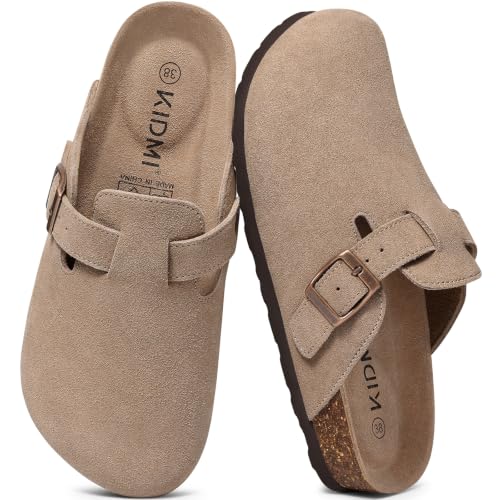
KIDMI Genuine Suede Clogs for Women Men Cork Footbed Mules Potato Shoes | Arch Support, Comfortable, Leather Slip On, Fall, Casual, Indoor Outdoor, Non-slip Rubber Sole, Adjustable Metal Buckle

KIDMI Genuine Suede Clogs for Women Men Cork Footbed Mules Potato Shoes | Arch Support, Comfortable, Leather Slip On, Fall, Casual, Indoor Outdoor, Non-slip Rubber Sole, Adjustable Metal Buckle

Check price on Amazon
⚠️ Note: The purchase links above are affiliate links. As an Amazon Associate, we earn from qualifying purchases at no additional cost to you.
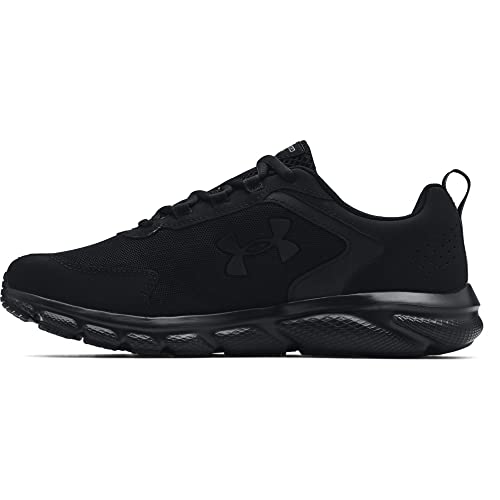
Under Armour Men's Charged Assert 9DISC, Black (003)/Black, 10.5 M US

Under Armour Men's Charged Assert 9DISC, Black (003)/Black, 10.5 M US

Check price on Amazon
⚠️ Note: The purchase links above are affiliate links. As an Amazon Associate, we earn from qualifying purchases at no additional cost to you.
adidas Men's Daily 4.0, Olive Strata/Shadow Olive/Gum, 10.5 | Casual Shoes, Skateboarding Shoes, Low-Cut, Regular Fit, Lace-Up, For Skateboarding and Everyday Wear

adidas Men's Daily 4.0, Olive Strata/Shadow Olive/Gum, 10.5 | Casual Shoes, Skateboarding Shoes, Low-Cut, Regular Fit, Lace-Up, For Skateboarding and Everyday Wear

Check price on Amazon
⚠️ Note: The purchase links above are affiliate links. As an Amazon Associate, we earn from qualifying purchases at no additional cost to you.
ODOLY Genuine Suede Clogs for Women Men Comfort Cork Footbed Potato Shoes | Unisex Lightweight Slip-On Leather Mules with Arch Support, Adjustable Buckle, Indoor Outdoor Footwear Taupe39

ODOLY Genuine Suede Clogs for Women Men Comfort Cork Footbed Potato Shoes | Unisex Lightweight Slip-On Leather Mules with Arch Support, Adjustable Buckle, Indoor Outdoor Footwear Taupe39

Check price on Amazon
⚠️ Note: The purchase links above are affiliate links. As an Amazon Associate, we earn from qualifying purchases at no additional cost to you.
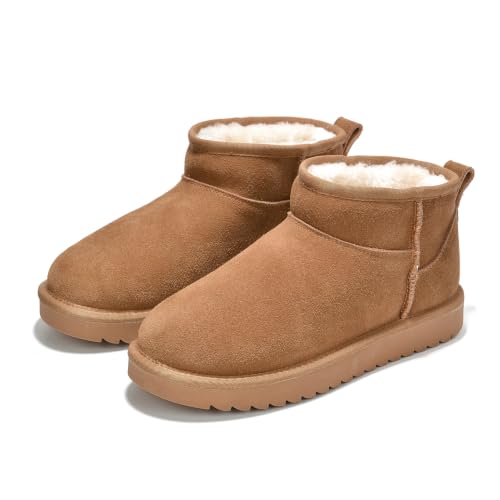
PROJECT CLOUD 100% Genuine Leather Womens Boots Ankle Boots for Women Shoes | Water Resistant Memory Foam Insole Winter Shoes - Trendy Footwear Outdoor Fall Shoes for Women - Winter Booties for Women

PROJECT CLOUD 100% Genuine Leather Womens Boots Ankle Boots for Women Shoes | Water Resistant Memory Foam Insole Winter Shoes - Trendy Footwear Outdoor Fall Shoes for Women - Winter Booties for Women

Check price on Amazon
⚠️ Note: The purchase links above are affiliate links. As an Amazon Associate, we earn from qualifying purchases at no additional cost to you.

Disclaimer

The information provided on ShoesTruth is for educational and informational purposes only. We are not professional footwear specialists or cobblers, and our content should not replace professional advice. Always consult with a qualified expert regarding fit, safety, or material-related concerns. Some content may use AI assistance. Always check product warranties and safety standards before purchasing. If you do not agree, please do not use this website. Read the full disclaimer.