Outdoor Shoe Looks
Style your hiking shoes for everyday adventures and outdoor activities.
Read More →
Discover how to choose hiking shoes that deliver grip, support, and comfort on every terrain. From day hikes to multi-day treks, find your perfect pair.
START EXPLORINGShoesTruth Philosophy: The right hiking shoes transform your trail experience. This guide walks you through fit, materials, traction, and support so you can hike further, safer, and more comfortably.
⚠️ AFFILIATE DISCLOSURE: This website contains affiliate links. As an affiliate Associate, we earn from qualifying purchases. If you make a purchase through these links, we may receive a small commission at no additional cost to you. Read our full affiliate policy.

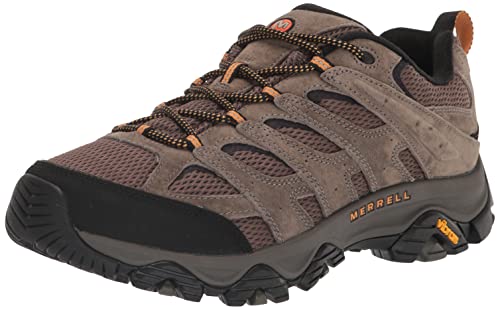
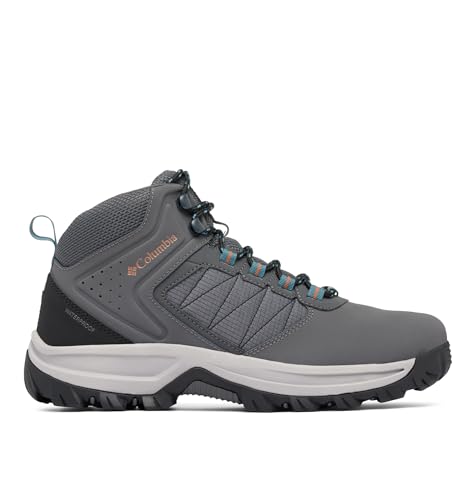


Hiking shoes are the single most important piece of gear on any trail. Unlike everyday sneakers, they are engineered to handle uneven terrain, protect your feet from rocks and roots, and keep you stable on steep inclines. Whether you are tackling a local park path or a rocky mountain summit, the right footwear can mean the difference between an unforgettable adventure and a painful slog.
Many hikers make the mistake of wearing running shoes on trails. While lightweight running shoes offer breathability and cushioning, they lack the lateral stability, toe protection, and outsole grip that hiking-specific footwear provides. If you are serious about the outdoors, investing in proper hiking shoes is non-negotiable. For those who prefer a more substantial option, hiking boots offer even more ankle support and protection for rugged terrain.
This guide covers everything you need to know: how to assess your hiking style, understand materials and construction, dial in the fit, and care for your shoes so they last for many seasons. By the end, you will be ready to buy with confidence and hit the trail prepared.
Lightweight and breathable for day hikes
Ankle support for moderate trails
Maximum support for heavy loads
Speed and agility on fast hikes
Keep feet dry in wet conditions
Natural feel and lightweight
Extra support for foot conditions
Versatile for mixed environments
Not all hiking shoes are created equal. The best pair for you depends on your hiking style, terrain, and climate. Here are the core features to evaluate:
The outsole is your connection to the trail. Look for deep, multi-directional lugs made from sticky rubber compounds. Vibram soles are a gold standard, but many brands offer proprietary rubber that performs well. For muddy or loose terrain, aggressive lugs are essential. For rocky scrambles, a softer rubber compound provides better grip. If you often hike on wet surfaces, consider non-slip shoes designed for slippery conditions.
Ankle support varies by cut. Low-cut shoes offer freedom of movement but less stability. Mid-cut and high-cut boots provide more ankle protection, which is crucial when carrying a heavy pack or traversing uneven ground. If you have flat feet or need extra arch support, look for arch support explained to understand what type of support you need. For those with specific foot conditions, plantar fasciitis shoes can offer targeted relief.
Waterproof membranes like Gore-Tex keep water out but reduce breathability. In hot, dry climates, non-waterproof shoes dry faster and keep feet cooler. In wet, cold conditions, waterproofing is essential. Consider waterproof shoes for wet trails, and always pair them with moisture-wicking socks.
Lighter shoes reduce fatigue on long hikes, but they often sacrifice durability and support. Cushioning absorbs impact, which matters on hard-packed trails and descents. If you want to compare how different shoes balance weight and performance, see our performance guide.
Leather uppers are durable and water-resistant but heavy. Synthetic mesh is lighter and more breathable but less abrasion-resistant. Many modern hiking shoes use a hybrid of leather and synthetic materials. For a deeper dive into durability, check our durability comparison.
| Type | Best For | Weight | Ankle Support | Price Range |
|---|---|---|---|---|
| Low-Cut Hiking Shoes | Day hikes, light trails | Light | Minimal | $80–$160 |
| Mid-Cut Boots | Moderate trails, weekend trips | Medium | Moderate | $120–$220 |
| Backpacking Boots | Multi-day treks, heavy loads | Heavy | High | $180–$350 |
| Trail Running Shoes | Fast hikes, smooth trails | Very Light | Minimal | $90–$170 |
| Waterproof Hiking Shoes | Wet, cold conditions | Medium | Varies | $100–$200 |
| Minimalist Hiking Shoes | Natural feel, strong feet | Light | Minimal | $70–$140 |
Fit is the most overlooked factor in hiking shoe comfort. A shoe that fits poorly will cause blisters, black toenails, and foot fatigue—no matter how expensive it is. Follow these steps to dial in your fit:
Measure your feet at the end of the day when they are slightly swollen. Use a Brannock device or trace your foot on paper and measure the length and width. For a comprehensive guide, see our fit measurement resource.
Your toes should have about a thumb's width of space between the longest toe and the front of the shoe. This prevents toe bang on descents. If you have wide feet, look for wide width shoes or brands known for generous fits.
Your heel should not slip when you walk. A proper heel lock keeps your foot stable and prevents blisters. Lacing techniques like the runner's loop can help.
Walk up and down a ramp or slope in the store. Your toes should not jam into the front, and your heel should stay put.
Wear the socks you plan to hike in when trying on shoes. Thick socks change the fit significantly. For more on foot comfort, explore heel cushions and arch support options.
New hiking shoes need a break-in period. Start with short walks on flat terrain and gradually increase distance and difficulty. This allows the materials to mold to your feet and reduces the risk of blisters. For a step-by-step plan, see our break-in guide.
Proper care extends the life of your hiking shoes. Clean mud and dirt after each hike, air-dry them away from direct heat, and reapply waterproofing treatments as needed. For leather shoes, use a leather conditioner. For synthetic shoes, a mild soap and water solution works well. Explore our shoe care and repair hub for detailed guides.
It depends on your needs. Hiking shoes are lighter and more breathable, making them ideal for day hikes and fast packing. Hiking boots offer more ankle support and protection, which is better for heavy loads and rugged terrain. Choose based on your hiking style and the terrain you frequent.
If you hike in wet, muddy, or snowy conditions, waterproof shoes are worth it. However, waterproof membranes reduce breathability, so in hot, dry climates, non-waterproof shoes may be more comfortable. Consider waterproof shoes if you often encounter wet trails.
With regular use, a good pair of hiking shoes lasts 500–800 miles. Signs it's time to replace them include worn-out tread, compressed cushioning, and torn uppers. For more on longevity, see our durability comparison.
You can, but running shoes lack the traction, stability, and toe protection of hiking shoes. For easy, well-maintained trails, trail running shoes are a good compromise. For rugged terrain, invest in dedicated hiking footwear.
Wool or synthetic socks are best. They wick moisture, regulate temperature, and reduce friction. Avoid cotton socks, which hold moisture and cause blisters. Consider heel cushions for extra comfort on long hikes.
Style your hiking shoes for everyday adventures and outdoor activities.
Read More →The information provided on ShoesTruth is for educational and informational purposes only. We are not professional footwear specialists or cobblers, and our content should not replace professional advice. Always consult with a qualified expert regarding fit, safety, or material-related concerns. Some content may use AI assistance. Always check product warranties and safety standards before purchasing. If you do not agree, please do not use this website. Read the full disclaimer.