
Bunion Wide Shoes: Your Complete Guide to Comfort & Style
Find relief and rediscover your stride. Learn how to choose the perfect wide shoes for bunions that combine medical comfort with everyday style.
Shop Comfortable StylesUnderstanding Bunions and Why Wide Shoes Matter
A bunion, medically known as hallux valgus, is a bony bump that forms on the joint at the base of your big toe. It occurs when some of the bones in the front part of your foot move out of place, causing the tip of your big toe to get pulled toward the smaller toes and forcing the joint at the base of the big toe to stick out. This condition can be incredibly painful and makes wearing standard footwear a daily struggle.
The connection between bunions and footwear is significant. Tight, narrow shoes with pointed toes are a leading cause of bunion development and aggravation. When your foot is squeezed into a shoe that doesn't accommodate its natural shape, the pressure forces the big toe inward, worsening the deformity over time. This is why choosing the right bunion wide shoes is not just a matter of comfort—it's a crucial step in managing your foot health and preventing further progression.
Key Takeaway: The primary goal of bunion-friendly footwear is to provide a wide, deep toe box that allows your toes to spread naturally without pressure or friction against the bunion.
If you're also dealing with other foot conditions like flat feet, you might benefit from exploring shoes for flat feet, which often share similar design principles with bunion-friendly options. Similarly, if you need extra arch support, our guide on orthopedic insoles for high arches can provide valuable insights.
Key Features of the Best Bunion Wide Shoes
Not all wide shoes are created equal. When shopping for footwear to accommodate bunions, you need to look beyond just the width. Here are the critical features that define a truly bunion-friendly shoe:
Wide Toe Box
The most crucial feature. A spacious, rounded toe box allows your toes to spread naturally without pressure on the bunion.
Stretchable Upper
Materials like mesh, knit, or soft leather that can stretch to accommodate the bunion's shape without causing friction.
Cushioned Sole
Ample cushioning reduces impact on the affected joint, providing relief with every step.
Adjustable Closure
Laces, Velcro, or straps that allow you to customize the fit and reduce pressure on the bunion.
Arch Support
Proper arch support helps distribute weight evenly and reduces stress on the forefoot.
Seamless Interior
Smooth, seam-free linings prevent rubbing and irritation against the sensitive bunion area.
For those who need extra comfort, our guide to comfortable shoes for men offers additional tips that apply to bunion-friendly footwear. And if you're looking for something more casual, consider exploring comfortable sandals for women, which can also be designed with bunion relief in mind.
Best Shoe Types for Bunion Relief
Depending on your lifestyle and the severity of your bunion, different shoe styles may be more appropriate. Here's a breakdown of the most recommended options:
| Shoe Type | Best For | Key Benefits | Typical Price Range |
|---|---|---|---|
| Athletic Sneakers | Everyday wear, walking, light exercise | Superior cushioning, breathable mesh, wide toe box options | $80–$160 |
| Walking Shoes | Daily walks, errands, travel | Supportive soles, rocker bottoms to reduce toe pressure | $90–$180 |
| Casual Loafers | Work, smart-casual occasions | Slip-on convenience, stretchable materials, wide widths | $70–$150 |
| Sandals | Warm weather, casual outings | Adjustable straps, open design for zero toe pressure | $50–$120 |
| Boots | Cold weather, outdoor activities | Wide toe box styles available, ankle support | $100–$250 |
When it comes to athletic footwear, our guide on gym trainers can help you find the right balance between performance and comfort. For those who prefer a more minimalist approach, barefoot shoes for women offer a wide toe box that mimics the natural shape of the foot, which can be beneficial for mild bunions.
How to Choose the Right Bunion Wide Shoes
Finding the perfect pair requires a bit of strategy. Follow these steps to ensure you're making a purchase that will truly alleviate your discomfort:
- Measure Your Feet Properly: Feet change over time, especially with bunions. Measure both feet at the end of the day when they are largest. Always size to the larger foot. Look for shoes that come in specific widths like Wide (W), Extra Wide (EW), or even 4E.
- Prioritize the Toe Box: The toe box should be deep enough that the top of the shoe doesn't press on your bunion, and wide enough that your toes can wiggle freely. A rounded or square toe shape is ideal; avoid pointed toes at all costs.
- Look for Adjustability: Laces, straps, or Velcro closures allow you to loosen the shoe around the bunion area while keeping it secure elsewhere. This is essential for accommodating fluctuating swelling.
- Check the Interior: Run your fingers inside the shoe. There should be no seams or rough stitching that could rub against the bunion. A seamless, padded lining is best.
- Consider the Sole: A cushioned, shock-absorbing sole and a supportive insole can make a world of difference. Some shoes even feature a "rocker" sole that helps roll the foot forward, reducing pressure on the toes.
- Test Them Out: Wear the shoes around the house for a few hours before committing to them for an entire day. If you feel any pressure points on your bunion, return them.
If you have specific style preferences, you might also want to check out our guides on women's flats or mules shoes, as some styles within these categories can be suitable for bunions if designed with a wide toe box. For a more classic look, brown loafers with a flexible upper can sometimes work well.
Recommended Bunion Wide Shoes
⚠️ AFFILIATE DISCLOSURE: This website contains affiliate links. As an affiliate Associate, we earn from qualifying purchases. If you make a purchase through these links, we may receive a small commission at no additional cost to you. Read our full affiliate policy.

Vans Men's Brooklyn LS Shoe, Suede/Canvas Black/White, 10.5
Check price on Amazon
UGG Tasman II Women's Slipper, 8 B(M) US, Chestnut
Check price on Amazon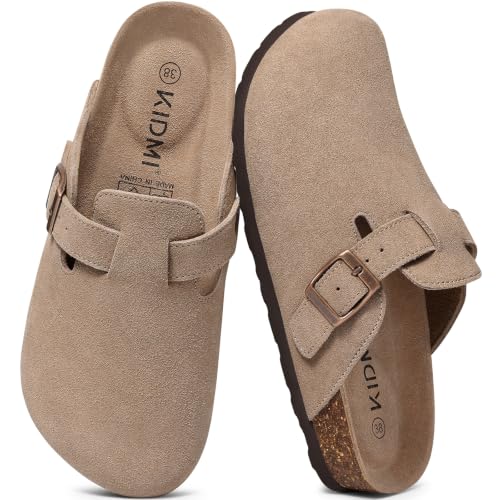
KIDMI Genuine Suede Clogs for Women Men Cork Footbed Mules Potato Shoes | Arch Support, Comfortable, Leather Slip On, Fall, Casual, Indoor Outdoor, Non-slip Rubber Sole, Adjustable Metal Buckle
Check price on Amazon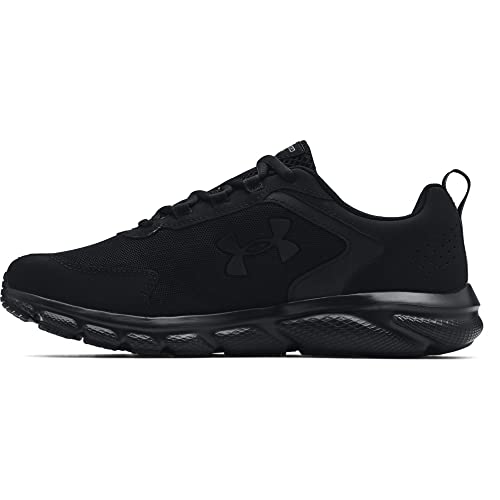
Under Armour Men's Charged Assert 9DISC, Black (003)/Black, 10.5 M US
Check price on Amazon
adidas Men's Daily 4.0, Olive Strata/Shadow Olive/Gum, 10.5 | Casual Shoes, Skateboarding Shoes, Low-Cut, Regular Fit, Lace-Up, For Skateboarding and Everyday Wear
Check price on Amazon
ODOLY Genuine Suede Clogs for Women Men Comfort Cork Footbed Potato Shoes | Unisex Lightweight Slip-On Leather Mules with Arch Support, Adjustable Buckle, Indoor Outdoor Footwear Taupe39
Check price on Amazon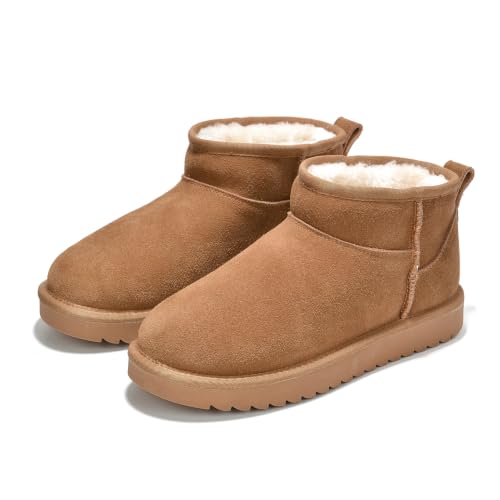
PROJECT CLOUD 100% Genuine Leather Womens Boots Ankle Boots for Women Shoes | Water Resistant Memory Foam Insole Winter Shoes - Trendy Footwear Outdoor Fall Shoes for Women - Winter Booties for Women
Check price on AmazonCaring for Your Feet and Bunion-Friendly Shoes
Once you've found the right pair of shoes, proper care can extend their life and your comfort. Here are some practical tips:
- Rotate Your Shoes: Avoid wearing the same pair every day. This allows the cushioning to recover and reduces wear patterns that could worsen your bunion.
- Use Shoe Trees: Inserting a shoe tree after wearing helps maintain the shape of the shoe, especially in the toe box, preventing it from compressing over time.
- Consider Orthotics: Custom or over-the-counter orthotic inserts can provide extra arch support and cushioning. Our article on slippers with arch support discusses how arch support can benefit various foot conditions, including bunions.
- Stretch Leather Shoes: If you have leather shoes that are almost perfect but slightly tight in the toe box, a professional shoe stretcher can gently expand the width.
- Keep Feet Dry: Moisture can soften the skin and make bunions more sensitive. Use moisture-wicking socks and consider shoes with breathable uppers. Our guide on waterproof footwear can help you find options that keep feet dry in wet conditions.
For those who need to be on their feet all day, such as nurses or retail workers, investing in nursing shoes for women that are designed for wide feet and bunion relief can be a game-changer. Similarly, if you're looking for something stylish yet comfortable, our article on trendy shoes might offer inspiration for wide-width options.
Frequently Asked Questions About Bunion Wide Shoes
Can wide shoes cure bunions?
While wide shoes cannot cure a bunion, they are essential for managing pain and preventing the condition from worsening. They provide the necessary space to reduce pressure on the bunion, which can alleviate discomfort and slow the progression of the deformity.
What width should I look for if I have bunions?
The right width depends on the severity of your bunion. Many people find relief with Wide (W or D for men, C/D for women) or Extra Wide (EW or 2E-4E) sizes. The key is to ensure the toe box is deep and wide enough that your toes can spread without any pressure on the bunion. Always try shoes on and walk around to assess the fit.
Are there stylish bunion wide shoes?
Absolutely. Many brands now offer fashionable wide-width shoes that don't look clinical. You can find chic sneakers, elegant loafers, comfortable sandals, and even dress shoes designed with a wider toe box. Exploring options like pink sneakers or white loafers in wide widths can yield stylish results.
Should I buy shoes a size larger for bunions?
Not necessarily. Buying a larger size can cause your foot to slide, leading to blisters and instability. It's better to find a shoe that is specifically designed with a wide toe box and adjustable closures in your correct size. If you're between sizes, going up half a size might help, but prioritize width and toe box shape over length.
What are the best materials for bunion shoes?
Stretchable, soft materials are best. Look for shoes with uppers made of mesh, knit, soft leather, or suede. These materials can conform to the shape of your bunion without causing friction. Avoid stiff, unyielding materials like hard patent leather or rigid synthetics.