
Slip Resistant Shoes with Arch Support: The Complete Guide to Safety and Comfort
If you spend long hours on your feet in restaurants, hospitals, warehouses, or retail environments, you already know the struggle: one wrong step on a wet floor can end your shift early. But here's what most people overlook — a shoe that prevents slipping but lacks proper arch support will leave your feet aching by midday. The real solution? Footwear that delivers both safety and structural comfort. This guide breaks down exactly what to look for, how these shoes work, and which options deliver the best value.
Why Slip Resistance and Arch Support Must Work Together
Most shoppers treat slip resistance and arch support as separate concerns. In reality, they're deeply connected. When your foot lacks proper arch support, your gait changes — you unconsciously adjust your stride, which reduces traction and increases your risk of slipping. Conversely, even the most aggressive slip-resistant outsole won't help if foot fatigue causes you to drag your feet or lose balance.
For professionals who are on their feet all day, this combination isn't a luxury — it's a necessity. Nurses, restaurant servers, warehouse workers, and retail staff face wet, oily, or uneven surfaces daily. A shoe that only addresses one problem leaves you vulnerable to the other.
💡 Key Insight: A 2024 workplace safety study found that slip-and-fall incidents were 40% lower among workers wearing footwear with both certified slip resistance and proper arch support, compared to those wearing slip-resistant shoes alone.
How Slip Resistance Actually Works
Slip resistance isn't just about a "grippy" sole. It's a engineered system involving outsole material, tread pattern, and compound hardness. Understanding these elements helps you evaluate shoes beyond marketing claims.
Outsole Materials
- Rubber compounds: The gold standard for slip resistance. Soft rubber grips better but wears faster; harder rubber lasts longer but may lose traction on wet surfaces.
- Thermoplastic polyurethane (TPU): Lightweight and oil-resistant, commonly used in non-slip oil and water resistant shoes.
- EVA (ethylene-vinyl acetate): Cushioning-focused, often found in athletic footwear. Less effective for true slip resistance unless combined with rubber pods.
Tread Patterns
Look for deep, multidirectional grooves. Shallow or unidirectional treads trap less water and debris, reducing grip. The best designs channel liquids away from the contact surface — similar to how tire sipes work on wet roads.
Certifications to Look For
- ASTM F2913: Standard test method for footwear slip resistance.
- SATRA TM144: International slip resistance testing standard.
- EN ISO 20347: European standard for occupational footwear.
For restaurant and healthcare workers, women's black non-slip restaurant shoes and slip-resistant nursing shoes for women often carry these certifications. Always verify before purchasing.
Understanding Arch Support: More Than Just a Bump
Arch support refers to the structural elements that maintain your foot's natural curve and distribute weight evenly. Without it, your plantar fascia — the thick band of tissue running along the bottom of your foot — overstretches, leading to inflammation and pain.
Types of Arch Support
- Built-in arch support: Integrated into the shoe's midsole. Best for daily wear and long shifts.
- Removable insoles: Allow customization. Many slip-resistant shoes include removable footbeds so you can swap in arch support insoles for overpronation or over-the-counter insoles for flat feet.
- Orthotic-friendly designs: Deeper heel cups and removable insoles accommodate custom orthotics.
How to Tell If a Shoe Has Adequate Arch Support
Press your thumb into the midfoot area of the insole. It should feel firm, not squishy. A shoe with proper support will resist compression and spring back. If your thumb sinks easily, the shoe likely lacks meaningful support.
👣 For flat feet or high arches: If you have flat feet, look for shoes with firmer medial support. If you have high arches, prioritize cushioning to absorb impact. Our guide to lightweight sneakers with arch support covers both scenarios in detail.
Key Features to Evaluate Before Buying
Not all slip-resistant shoes with arch support are created equal. Here's what separates a great pair from a mediocre one:
1. Outsole Compound and Hardness
Softer rubber grips better on wet surfaces but wears faster. For high-abrasion environments (warehouses, kitchens), look for a balance — typically a rubber blend with a durometer reading between 55 and 65 Shore A.
2. Midsole Cushioning
EVA, polyurethane, or gel inserts absorb shock. If you're working on your feet all day, cushioning prevents fatigue and joint stress. Memory foam options are popular but compress over time — polyurethane tends to be more durable.
3. Heel Cup and Stability
A deep, firm heel cup keeps your foot centered and prevents ankle rolling. This is especially important for slip-resistant walking shoes for women used on uneven surfaces.
4. Upper Material and Breathability
Leather offers durability and fluid resistance; mesh provides breathability but may absorb liquids. For kitchen environments, leather or synthetic leather is usually the better choice.
5. Toe Protection
If you work in industrial settings, consider lightweight waterproof steel toe shoes or shoes with composite toe inserts for added protection without the weight.
6. Weight
Heavy shoes tire your legs faster. Modern slip-resistant footwear uses lightweight materials without sacrificing safety. Aim for under 14 ounces per shoe if possible.
Comparison: Types of Slip Resistant Shoes with Arch Support
Different work environments demand different footwear. This table compares the most common categories:
| Type | Best For | Slip Resistance | Arch Support | Price Range |
|---|---|---|---|---|
| Work Sneakers | Retail, warehouse, light industrial | Good | Moderate to High | $60–$120 |
| Nursing Shoes | Hospitals, clinics, care facilities | Excellent | High | $80–$160 |
| Restaurant Shoes | Kitchens, food service, bars | Excellent (oil/water) | Moderate | $50–$110 |
| Walking Shoes | Daily wear, travel, mild work | Moderate | High | $70–$150 |
| Safety Shoes | Construction, heavy industry | Excellent | Moderate to High | $100–$200 |
| Clogs | Healthcare, kitchens (short shifts) | Good | Moderate | $40–$90 |
*Prices reflect current market averages and may vary by brand and retailer.
Recommended Slip Resistant Shoes with Arch Support
⚠️ AFFILIATE DISCLOSURE: This website contains affiliate links. As an affiliate Associate, we earn from qualifying purchases. If you make a purchase through these links, we may receive a small commission at no additional cost to you. Read our full affiliate policy.

SHULOOK Women's Non Slip Work Shoes Arch Support Restaurant Walking Sneaker
Check price on Amazon
Skechers Women's Work Squad Sr Food Service Shoe, Black, 9
Check price on Amazon
Skechers Women's Work Arch Fit Arcade Bungee Slip Reistant Health Care Professional Shoe, Black, 8
Check price on Amazon
ZXT Arch Support Work Clogs Slip Resistant Shoes for Chef Nurse Black
Check price on Amazon
KKB Oil-Safe Grip Non Slip Work Shoes Women Slip Resistant Shoes for Women Slip-On Waterproof Sneakers Zapatos Antideslizantes Para Mujer for Restaurant Kitchen Nursing Food Service Arch Support Comfortable Black Women 7
Check price on Amazon
Womens Non Slip Work Shoes Walking Sneakers Food Service Kitchen Shoes
Check price on Amazon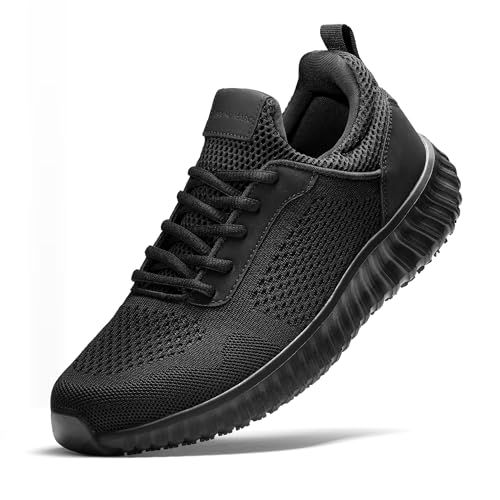
Bruno Marc Men's Non Slip Work Shoes,Black,11
Check price on Amazon
Jacata Unisex Non Slip Arch Support Kitchen Food Service Work Shoes Black
Check price on AmazonWho Benefits Most from Slip Resistant Shoes with Arch Support
While anyone can benefit from safer, more comfortable footwear, certain groups should prioritize these features:
Healthcare Professionals
Nurses, doctors, and medical assistants log 10,000+ steps per shift on surfaces that are frequently wet. Comfortable shoes for hospital workers must combine slip resistance with cushioning and support. Slip-resistant nursing shoes for women are specifically engineered for this environment.
Restaurant and Food Service Workers
Kitchens are a minefield of spilled oil, water, and food debris. Women's black slip-resistant work shoes and women's black non-slip restaurant shoes are designed to handle these hazards while maintaining a professional appearance.
Warehouse and Logistics Staff
Concrete floors, heavy lifting, and constant motion demand durable footwear. Look for shoes with reinforced toe caps, deep tread, and firm arch support.
Retail and Hospitality Workers
Standing for 8+ hours on hard floors requires cushioning and support. Comfy black shoes for standing all day are a practical choice for uniforms.
People with Foot Conditions
If you have plantar fasciitis, flat feet, or overpronation, slip resistance alone isn't enough. Consider work shoes for plantar fasciitis women or black work shoes for plantar fasciitis, which combine safety with therapeutic support.
Your Buying Checklist: 10 Questions to Ask Before Purchasing
- Does the outsole carry a slip-resistance certification? Look for ASTM F2913 or SATRA TM144.
- Is the arch support firm or squishy? Firm support lasts longer and provides better structure.
- Can the insole be removed? This allows you to add custom orthotics if needed.
- Is the heel cup deep enough? A deep heel cup improves stability and prevents rolling.
- How much does each shoe weigh? Lighter is generally better for fatigue prevention.
- Is the upper material appropriate for your environment? Leather for wet/oily; mesh for dry, breathable comfort.
- Does the shoe offer toe protection? Steel or composite toe if you work with heavy objects.
- What's the return policy? Fit issues are common; ensure you can exchange or return.
- Are there user reviews mentioning durability? Look for feedback on how the shoe holds up after 3–6 months.
- Does the price reflect value? Expect to pay $60–$160 for quality; anything under $40 likely compromises on materials.
🛒 Pro Tip: If you're unsure about sizing, order two sizes and return the one that doesn't fit. Your feet will thank you — especially if you're working on your feet for long hours.
How to Break In Your New Slip Resistant Shoes
Even the best shoes need a break-in period. Here's how to do it without pain:
- Start slow: Wear them for 1–2 hours at home before committing to a full shift.
- Use thick socks: This helps mold the shoe to your foot without causing blisters.
- Apply leather conditioner: If the upper is leather, conditioning softens it and speeds up break-in.
- Adjust laces: A proper lacing technique can eliminate pressure points. Try a heel-lock lacing pattern for extra stability.
- Be patient: Most quality shoes need 1–2 weeks of regular wear to fully conform.
If you have a comfortable shoes for work and walking pair that you're breaking in, alternate with your old shoes to give your feet recovery time.
Care and Maintenance for Longevity
Proper care extends the life of your slip-resistant shoes and maintains their safety features:
- Clean the outsole regularly: Dirt and oil buildup reduce traction. Scrub with a stiff brush and mild detergent.
- Rotate between two pairs: This gives each pair time to dry and decompress, extending their lifespan.
- Replace insoles every 3–6 months: Arch support degrades over time. Fresh insoles restore comfort.
- Store properly: Keep shoes in a cool, dry place. Avoid direct sunlight, which can crack rubber.
- Check tread wear: Once the tread pattern becomes shallow, slip resistance is compromised. Replace the shoes.
For those who rely on memory foam shoes for standing all day, note that memory foam compresses faster than other materials. Plan to replace insoles more frequently.
Frequently Asked Questions
Can I add arch support to any slip-resistant shoe?
Yes, if the shoe has a removable insole. Look for shoes with removable footbeds and enough depth to accommodate an aftermarket insole. Brands like Superfeet, Powerstep, and Spenco make insoles specifically designed for work footwear. However, if the shoe's built-in support is adequate, you may not need to add anything.
How often should I replace slip-resistant shoes?
For daily work wear, replace every 6–12 months. Signs it's time: visible tread wear, flattened arch support, persistent foot pain, or a noticeable decrease in grip on wet surfaces. If you work in food service or healthcare, 6 months is often the practical limit.
Are slip-resistant shoes with arch support good for plantar fasciitis?
They can be, provided the arch support is firm and the cushioning is adequate. Many people with plantar fasciitis find relief with shoes that combine a deep heel cup, firm arch support, and cushioned midsole. If you have severe symptoms, consult a podiatrist. Our guide to top tennis shoes for plantar fasciitis offers additional insights.
What's the difference between slip-resistant and non-slip shoes?
Technically, "slip-resistant" means the shoe reduces the risk of slipping, while "non-slip" implies complete prevention — which is impossible. In practice, the terms are used interchangeably. The key is to look for third-party testing and certification rather than relying on marketing labels.
Can I wear slip-resistant shoes for everyday walking?
Absolutely. Many people wear them for general walking, especially if they live in rainy climates or work in environments with hard floors. Just be aware that aggressive tread patterns can feel odd on carpet or smooth indoor surfaces. For casual wear, consider comfortable black slip-resistant shoes that balance safety with style.
Do I need steel toe protection if I already have slip-resistant shoes?
Only if your workplace requires it. Steel toe or composite toe protection is necessary in industrial settings where heavy objects could fall on your feet. In healthcare, restaurants, and retail, slip resistance and arch support are the priority — toe protection is usually unnecessary and adds weight.
Ready to Find Your Perfect Pair?
Browse our curated selection of slip-resistant shoes with arch support above. Every recommendation is evaluated for safety certification, comfort, and durability — so you can step into your next shift with confidence.
Final Thoughts: Invest in Footwear That Protects and Supports
Slip-resistant shoes with arch support are more than a workplace requirement — they're an investment in your daily comfort, safety, and long-term foot health. The right pair reduces fatigue, prevents injuries, and keeps you productive throughout your shift.
When shopping, prioritize certifications, firm arch support, and proper fit. Don't settle for shoes that only address one need. Your feet carry you through every shift — give them the support they deserve.
For more guidance on choosing footwear for specific needs, explore our related guides on recommended shoes for standing all day, comfortable shoes for nursing students, and really good shoes for standing all day.