
Spikes Shoes: The Complete Guide to Track & Field Footwear
Everything you need to know about choosing, fitting, and using spikes shoes for sprinting, distance running, jumping, and throwing events. Learn the difference between plate types, spike pins, and event-specific designs.
Explore Top PicksWhat Are Spikes Shoes? Spikes shoes (also called track spikes or simply "spikes") are specialized athletic footwear designed for track and field events. They feature a stiff plate in the sole and removable metal pins (spikes) that dig into the track surface, providing superior traction, propulsion, and energy return. Unlike regular running sneakers, spikes are built for maximum speed on synthetic tracks, grass, or dirt — not for casual wear or pavement.
Why Spikes Shoes Matter for Performance
Whether you're a sprinter exploding out of the blocks or a distance runner grinding through the final lap, spikes shoes can make a measurable difference in your performance. The rigid plate reduces energy loss at toe-off, while the aggressive spike pins grip the track surface to prevent slipping during sharp turns and explosive starts. For competitive athletes, choosing the right spikes is as important as training itself. If you're exploring other performance footwear, our guide to sports shoes for women covers versatile athletic options for training and cross-training.
Unlike smart shoes designed for casual or business wear, spikes are purpose-built tools. They are not meant for walking around or standing all day. Using them incorrectly can lead to discomfort, injury, or premature wear. This guide will help you understand exactly what to look for so you can buy with confidence.
Types of Spikes Shoes by Event
Not all spikes are created equal. The right pair depends entirely on your event, your running style, and the surface you compete on. Here are the main categories:
Sprint Spikes
Designed for 100m, 200m, and 400m events. These feature a stiff, aggressive plate and a snug, locked-down fit for maximum power transfer.
- Rigid full-length or forefoot plate
- Minimal cushioning for direct force transfer
- 4–8 spike pin configuration
- Often includes a strap or lace cover
Distance Spikes
Built for 800m through 10,000m. They offer slightly more cushioning and a more flexible plate for comfort over longer distances.
- Semi-rigid or nylon plate
- More underfoot padding than sprint spikes
- 4–6 spike pins, often in a cluster
- Breathable mesh upper for heat management
Cross Country Spikes
Made for grass, dirt, and muddy courses. They feature a more durable upper and a rubber outsole with aggressive lugs for off-track traction.
- Rubber outsole with 6–8 spike pins
- Water-resistant or quick-drying upper
- More flexible plate for uneven terrain
- Often used with shorter pins on soft ground
Jump Spikes
For long jump, triple jump, high jump, and pole vault. These prioritize a flat, stable platform and heel cushioning for takeoff and landing.
- Full-length stiff plate for stability
- Heel cushioning for impact absorption
- 7–9 spike pins for maximum grip
- Wider platform for lateral support
Throwing Spikes
Used for shot put, discus, javelin, and hammer throw. They provide a stable base for rotational movements and heavy loads.
- Very stiff, supportive plate
- Wide, stable base for balance
- Durable upper for high-stress movements
- Often fewer spike pins than jump spikes
Anatomy of Spikes Shoes: What to Look For
Understanding the components of spikes shoes helps you evaluate quality and match a shoe to your event. Here's a breakdown of the key parts:
| Component | What It Does | What to Check |
|---|---|---|
| Plate | Stiff layer under the foot that returns energy and protects against stone bruises. | Material (nylon, Pebax, carbon fiber), stiffness, and length (full vs. forefoot only). |
| Spike Pins | Metal pins that screw into the plate for traction on the track. | Length (6mm, 9mm, 12mm), quantity (4–9), and type (pyramid, needle, compression). |
| Upper | Holds the foot securely and manages breathability. | Material (mesh, synthetic, knit), lockdown system (laces, straps), and durability. |
| Midsole | Provides cushioning and shock absorption. | Foam type (EVA, TPU), thickness (minimal for sprints, more for distance). |
| Outsole | Rubber layer that contacts the ground and holds the spike pins. | Hardness, lug pattern (for cross country), and spike plate integration. |
| Last | The foot shape the shoe is built around. | Event-specific fit (sprint = snug, distance = slightly roomier). |
How to Fit Spikes Shoes Correctly
Fit is critical with spikes — more so than with any other type of footwear. A loose spike shoe can cause blisters, black toenails, and loss of power. A too-tight pair can cut off circulation and cause cramping. Here's how to get it right:
1. Size Down, Not Up. Unlike casual shoes for women or canvas shoes for men, spikes should fit snugly with little to no extra room in the toe box. Your toes should be close to the front without jamming. Many athletes wear spikes a half-size to a full-size smaller than their training shoes.
2. Consider Sock Thickness. Try spikes on with the same socks you'll race in. Thin racing socks are common, but some athletes prefer slightly thicker socks for comfort. The fit should account for this.
3. Check the Heel Lock. Your heel should not slip when you push off. A good heel lock keeps the foot stable during explosive movements. If your heel lifts, try a different lacing pattern or consider a different model.
4. Test the Plate Flex. For sprint spikes, the plate should be very stiff. For distance spikes, some flex is normal. Bend the shoe gently — it should match your event's demands.
5. Walk, Don't Run (Yet). Walk around on a carpeted surface to check for pressure points. Never wear spikes outside on concrete or pavement — it will damage the pins and the plate.
Spike Pins: Length, Type, and When to Use Them
Spike pins are the metal tips that screw into the bottom of the shoe. Choosing the right pin length and type is essential for both performance and safety.
| Pin Length | Best For | Notes |
|---|---|---|
| 6mm | Synthetic tracks, firm surfaces | Most common for track meets. Less aggressive, good for distance events. |
| 9mm | Soft tracks, grass, dirt | Good for cross country and wet conditions. Provides deeper penetration. |
| 12mm | Muddy, soft cross country courses | Maximum grip but can be uncomfortable on hard surfaces. Use sparingly. |
| Pyramid | All-purpose track use | Most common shape. Good balance of grip and durability. |
| Needle | Sprint events on synthetic tracks | Sharper, more aggressive. Better penetration but wears faster. |
| Compression | Track meets with pin length restrictions | Shorter, blunt pins that meet some league regulations. |
Always check your competition's rules regarding spike pin length. Many high school and collegiate leagues restrict pins to 6mm or 7mm for safety and track preservation. If you're also looking for footwear for other athletic activities, our guide to running shoes with arch support and wide toe box can help you find comfortable training options.
Breaking In and Caring for Spikes Shoes
Spikes shoes require a break-in period, but it's different from regular shoes. You should never wear them for long walks or casual errands. Instead, follow this approach:
Break-In: Wear them for short warm-up jogs on the track or grass. Start with 10–15 minutes and gradually increase over several sessions. This allows the upper to mold to your foot and the plate to feel natural under your stride.
Cleaning: After use, remove the spike pins and wipe them dry. Clean the upper with a damp cloth and mild soap. Never submerge spikes in water or put them in a washing machine. Allow them to air dry away from direct heat.
Storage: Store spikes in a cool, dry place. Keep the pins in a small container or bag to prevent loss. Avoid leaving them in a hot car, as heat can warp the plate and degrade adhesives.
Pin Maintenance: Replace worn or bent pins immediately. Dull pins reduce traction and can cause slipping. Use a spike wrench (usually included with the shoes) to tighten pins before every race.
Buying Considerations: What to Prioritize
When shopping for spikes shoes, keep these factors in mind to make a smart purchase:
Event First, Brand Second. The type of event you compete in should dictate the shoe, not the logo on the side. A sprint spike will feel terrible in a 5K, and a distance spike won't give you the explosive response you need for a 100m dash.
Plate Material Matters. Nylon plates are flexible and affordable — great for beginners and distance runners. Pebax and carbon fiber plates are stiffer and more responsive — preferred by advanced sprinters and jumpers. Expect to pay more for premium plate materials.
Fit Over Features. A shoe with all the latest technology won't help if it doesn't fit your foot shape. Try on multiple models if possible. If shopping online, check the return policy carefully.
Budget Realistically. Entry-level spikes typically range from $50 to $90. Mid-range options run $90 to $150. Elite competition spikes with carbon plates can cost $150 to $250 or more. For most high school and collegiate athletes, a mid-range pair offers the best balance of performance and value.
Consider Your Training Surface. If you train primarily on a synthetic track, a standard track spike works well. If you run cross country on grass and trails, invest in a dedicated cross country spike with a more durable outsole. For general training, you might also want a pair of all-black sneakers or cool sneakers for warm-ups and cool-downs.
Recommended Spikes Shoes
⚠️ AFFILIATE DISCLOSURE: This website contains affiliate links. As an affiliate Associate, we earn from qualifying purchases. If you make a purchase through these links, we may receive a small commission at no additional cost to you. Read our full affiliate policy.

Vans Men's Brooklyn LS Shoe, Suede/Canvas Black/White, 10.5
Check price on Amazon
UGG Tasman II Women's Slipper, 8 B(M) US, Chestnut
Check price on Amazon
adidas Men's Daily 4.0, Olive Strata/Shadow Olive/Gum, 10.5 | Casual Shoes, Skateboarding Shoes, Low-Cut, Regular Fit, Lace-Up, For Skateboarding and Everyday Wear
Check price on Amazon
ODOLY Genuine Suede Clogs for Women Men Comfort Cork Footbed Potato Shoes | Unisex Lightweight Slip-On Leather Mules with Arch Support, Adjustable Buckle, Indoor Outdoor Footwear Taupe39
Check price on Amazon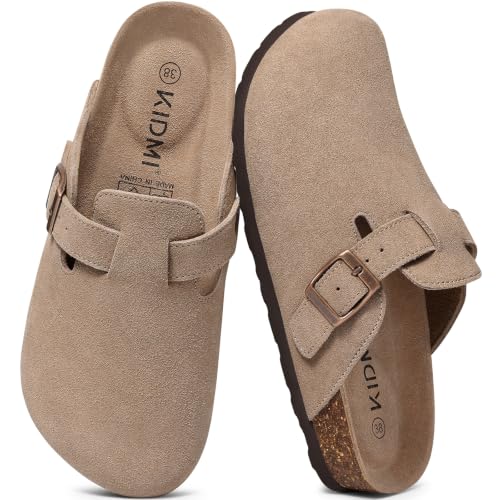
KIDMI Genuine Suede Clogs for Women Men Cork Footbed Mules Potato Shoes | Arch Support, Comfortable, Leather Slip On, Fall, Casual, Indoor Outdoor, Non-slip Rubber Sole, Adjustable Metal Buckle
Check price on Amazon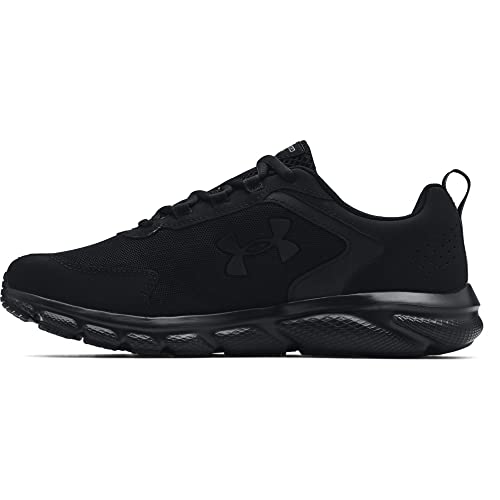
Under Armour Men's Charged Assert 9DISC, Black (003)/Black, 10.5 M US
Check price on Amazon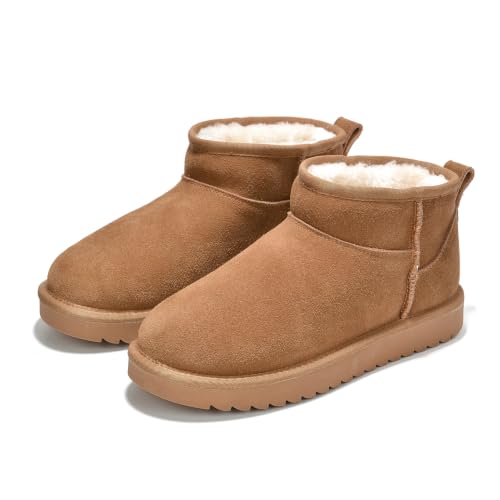
PROJECT CLOUD 100% Genuine Leather Womens Boots Ankle Boots for Women Shoes | Water Resistant Memory Foam Insole Winter Shoes - Trendy Footwear Outdoor Fall Shoes for Women - Winter Booties for Women
Check price on AmazonFrequently Asked Questions About Spikes Shoes
Can I wear spikes shoes for regular running?
No. Spikes are designed specifically for track and field surfaces. Wearing them on pavement or concrete will quickly dull the pins, damage the plate, and provide poor cushioning. Use regular running sneakers for road and trail running.
How do I know what size spikes to buy?
Spikes typically fit snugger than regular shoes. Many athletes size down a half-size from their training shoes. The best approach is to try them on with racing socks and ensure your heel is locked in with minimal toe room.
What's the difference between track spikes and cross country spikes?
Track spikes have a stiffer plate and are optimized for synthetic surfaces. Cross country spikes have a more durable rubber outsole, a more flexible plate, and a water-resistant upper for grass, dirt, and mud.
How often should I replace my spikes?
It depends on usage. Competitive athletes may replace spikes every season or two. Signs it's time for new spikes include a cracked or warped plate, worn-out upper, or pins that no longer stay tight.
Are expensive spikes worth it?
For elite athletes competing at a high level, premium spikes with carbon plates can offer a measurable advantage. For most beginners and intermediate athletes, a mid-range pair provides excellent performance without the premium price.
Ready to Find Your Perfect Spikes?
Browse our recommended selection of track spikes, cross country spikes, and field event shoes. Whether you're sprinting, jumping, or running distance, we've got you covered.
Shop Recommended Spikes