Toddler Sneakers: The Complete Buying Guide
Everything you need to know about choosing the perfect toddler sneakers — from sizing and fit to materials, styles, and safety features that support healthy foot development.
SHOP TODDLER SNEAKERS
Why Toddler Sneakers Matter: Your toddler's feet are constantly growing and developing. The right sneakers provide crucial support, promote healthy foot development, and keep little ones comfortable and safe as they explore the world. This guide will help you make an informed decision.
Why Choosing the Right Toddler Sneakers Is Essential
Toddler sneakers are more than just miniature versions of adult shoes. They play a critical role in your child's foot development, balance, and overall comfort during their most active years. Between the ages of 1 and 4, a toddler's foot is still forming — the bones are soft, the arch is developing, and the gait is constantly evolving. Choosing the wrong footwear during this stage can lead to discomfort, poor walking habits, and even long-term foot issues.
Unlike adult shoes, toddler sneakers must balance protection with flexibility. A good pair allows natural foot movement while providing enough cushioning and support for running, jumping, and climbing. Many parents shopping for kids sneakers often overlook critical factors like sole flexibility, toe box width, and proper closure systems. This guide covers everything you need to know to make the best choice for your little one.
Whether you are looking for everyday kids sneakers for daycare, playdates, or special occasions, understanding what makes a quality toddler sneaker will save you money and keep your child's feet happy and healthy. For parents also considering footwear for older siblings, our guide to boys shoes and girls shoes covers the next stage of foot development.
Key Features to Look For in Toddler Sneakers
Flexible Sole
The sole should bend easily at the ball of the foot. A flexible sole allows natural foot movement and helps develop muscle strength. Test by holding the heel and pressing the toe upward — it should bend without much resistance.
Wide Toe Box
Toddlers need room for their toes to splay naturally. A wide toe box prevents crowding and reduces the risk of deformities. Look for shoes labeled as wide or extra-wide if your child has chubby feet. Our wide toe box shoes guide explains more.
Breathable Materials
Mesh, canvas, and knit uppers allow air circulation and keep feet dry. Avoid synthetic leather that traps moisture, which can lead to odor and fungal issues. Breathability is especially important for active toddlers.
Secure Closure System
Velcro straps, elastic laces, or slip-on designs are best for toddlers who cannot tie laces yet. They ensure a snug fit and prevent tripping. Avoid long laces that can come untied during play.
Lightweight Construction
Heavy shoes tire little legs quickly. Toddler sneakers should be lightweight — under 6 ounces per shoe is ideal. Lightweight shoes encourage natural movement and reduce fatigue during play.
Cushioned Insole
A soft, cushioned insole absorbs impact and provides comfort during walking and running. Removable insoles are a bonus — they allow you to check fit and accommodate arch support inserts if recommended by a pediatrician.
Toddler Sneaker Sizing Guide: Getting the Perfect Fit
Getting the right size is the single most important factor in choosing toddler sneakers. Unlike adult shoes, toddler sizes vary significantly between brands, so always measure your child's feet before buying. Here is a quick reference for US toddler sizes:
| US Size |
Age Range |
Foot Length (inches) |
Foot Length (cm) |
| 4C |
12–18 months |
4.75" |
12.1 cm |
| 5C |
18–24 months |
5.0" |
12.7 cm |
| 6C |
2–2.5 years |
5.25" |
13.3 cm |
| 7C |
2.5–3 years |
5.5" |
14.0 cm |
| 8C |
3–3.5 years |
5.75" |
14.6 cm |
| 9C |
3.5–4 years |
6.0" |
15.2 cm |
| 10C |
4–4.5 years |
6.25" |
15.9 cm |
Pro Tip: Always add about 0.5 inches (1.3 cm) of growing room between the longest toe and the front of the shoe. Measure feet at the end of the day when they are slightly swollen. If your child is between sizes, size up rather than down. For older children transitioning to youth sizes, our guides on boys shoes and girls shoes provide additional sizing insights.
Best Materials for Toddler Sneakers
Mesh Uppers
Best for: Active toddlers and warm weather.
Mesh is lightweight, highly breathable, and dries quickly. It offers excellent ventilation but less durability than leather. Ideal for summer and everyday play. Pair with waterproof sneakers for rainy days.
$25–$60
Canvas Uppers
Best for: Casual wear and budget-conscious parents.
Canvas is affordable, easy to clean, and comes in countless colors and patterns. It is less breathable than mesh but more durable. Machine washable options are a huge plus for messy toddlers.
$20–$45
Leather Uppers
Best for: Durability and formal occasions.
Leather is durable, supportive, and molds to the foot over time. It is less breathable but offers superior protection. Look for soft, flexible leather — not stiff, hard leather. Great for kids sneakers that need to last.
$40–$90
Recommended Toddler Sneakers
⚠️ AFFILIATE DISCLOSURE: This website contains affiliate links. As an affiliate Associate, we earn from qualifying purchases. If you make a purchase through these links, we may receive a small commission at no additional cost to you.
Read our full affiliate policy.

Vans Men's Brooklyn LS Shoe, Suede/Canvas Black/White, 10.5
Check price on Amazon
⚠️ Note: The purchase links above are affiliate links. As an Amazon Associate, we earn from qualifying purchases at no additional cost to you.

UGG Tasman II Women's Slipper, 8 B(M) US, Chestnut
Check price on Amazon
⚠️ Note: The purchase links above are affiliate links. As an Amazon Associate, we earn from qualifying purchases at no additional cost to you.
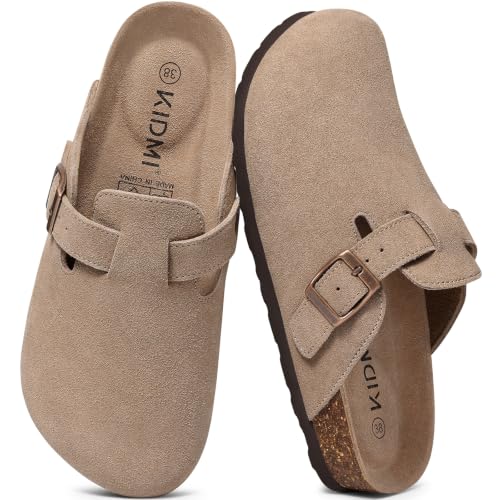
KIDMI Genuine Suede Clogs for Women Men Cork Footbed Mules Potato Shoes | Arch Support, Comfortable, Leather Slip On, Fall, Casual, Indoor Outdoor, Non-slip Rubber Sole, Adjustable Metal Buckle
Check price on Amazon
⚠️ Note: The purchase links above are affiliate links. As an Amazon Associate, we earn from qualifying purchases at no additional cost to you.
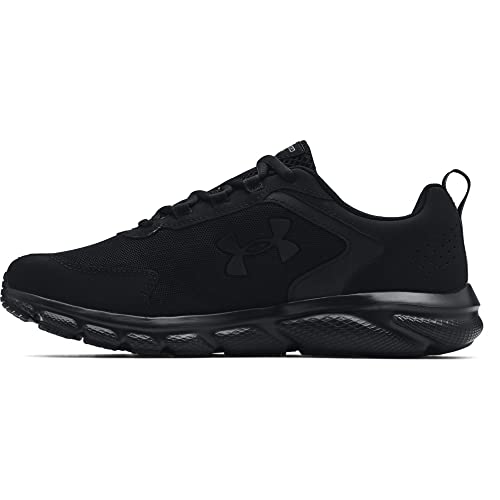
Under Armour Men's Charged Assert 9DISC, Black (003)/Black, 10.5 M US
Check price on Amazon
⚠️ Note: The purchase links above are affiliate links. As an Amazon Associate, we earn from qualifying purchases at no additional cost to you.

adidas Men's Daily 4.0, Olive Strata/Shadow Olive/Gum, 10.5 | Casual Shoes, Skateboarding Shoes, Low-Cut, Regular Fit, Lace-Up, For Skateboarding and Everyday Wear
Check price on Amazon
⚠️ Note: The purchase links above are affiliate links. As an Amazon Associate, we earn from qualifying purchases at no additional cost to you.

ODOLY Genuine Suede Clogs for Women Men Comfort Cork Footbed Potato Shoes | Unisex Lightweight Slip-On Leather Mules with Arch Support, Adjustable Buckle, Indoor Outdoor Footwear Taupe39
Check price on Amazon
⚠️ Note: The purchase links above are affiliate links. As an Amazon Associate, we earn from qualifying purchases at no additional cost to you.
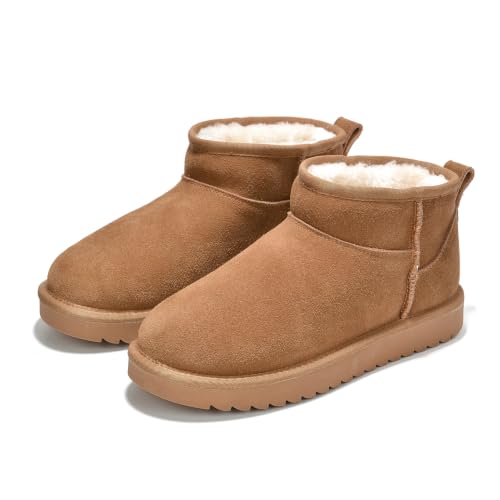
PROJECT CLOUD 100% Genuine Leather Womens Boots Ankle Boots for Women Shoes | Water Resistant Memory Foam Insole Winter Shoes - Trendy Footwear Outdoor Fall Shoes for Women - Winter Booties for Women
Check price on Amazon
⚠️ Note: The purchase links above are affiliate links. As an Amazon Associate, we earn from qualifying purchases at no additional cost to you.
Types of Toddler Sneakers: Which One Is Right for Your Child?
Not all toddler sneakers are created equal. Depending on your child's age, activity level, and developmental stage, different styles serve different purposes. Here is a breakdown of the most common types:
First Walker Sneakers
Designed for children just learning to walk (12–24 months). These feature ultra-flexible soles, wide toe boxes, and lightweight construction. They prioritize natural movement over durability. Many first walker styles resemble kids sneakers but with softer soles.
$30–$65
Everyday Play Sneakers
For toddlers who are confident walkers and runners (2–4 years). These offer more cushioning, durable soles, and secure closures. They handle playgrounds, daycare, and daily adventures. Look for machine-washable options for easy cleanup.
$25–$70
Athletic Sneakers
For toddlers involved in organized activities like gymnastics or kids basketball shoes. These provide extra grip, support, and shock absorption. They are slightly heavier but offer superior performance for active play.
$35–$80
Water-Friendly Sneakers
Perfect for beach trips, splash pads, and wet environments. These quick-drying sneakers are made from neoprene or synthetic materials. Similar to water shoes for women but sized for toddlers. They offer protection while allowing water drainage.
$20–$50
Pros and Cons of Popular Toddler Sneaker Styles
✓ Velcro Closure Sneakers
- Easy for toddlers to put on themselves
- Adjustable fit as feet grow
- No tripping hazard from laces
- Quick to take on and off
- Great for daycare and preschool
✗ Velcro Closure Sneakers
- Velcro can wear out over time
- Less secure than laces for very active play
- May attract lint and debris
- Limited style options compared to lace-ups
✓ Slip-On Sneakers
- Fastest to put on and take off
- No closure mechanism to fail
- Comfortable for quick errands
- Lightweight and packable
✗ Slip-On Sneakers
- Can slip off during active play
- Less adjustable for different foot shapes
- May not provide enough ankle support
- Not ideal for running or sports
How to Care for Toddler Sneakers
Toddler sneakers take a beating. Between playground dirt, spilled juice, and puddle jumping, they need regular care to stay hygienic and last longer. Here are essential care tips:
- Clean regularly: Wipe mesh and leather uppers with a damp cloth. Canvas shoes can often be machine washed on a gentle cycle.
- Air dry only: Never put toddler sneakers in the dryer — heat can warp the sole and shrink the upper. Stuff with newspaper to absorb moisture and maintain shape.
- Check for wear: Inspect soles monthly for uneven wear, which can indicate gait issues. Replace shoes when soles are worn through or uppers are torn.
- Rotate pairs: If possible, alternate between two pairs to give each time to dry and decompress. This extends the life of both pairs.
- Use protective sprays: For leather and suede, apply a child-safe protectant spray to repel stains and moisture. Our waterproof sneakers guide covers options.
- Deodorize naturally: Sprinkle baking soda inside shoes overnight to absorb odors. Avoid harsh chemicals on toddler footwear.
For more comprehensive care advice, explore our comfortable shoes guide, which includes tips applicable to all types of footwear.
Common Mistakes Parents Make When Buying Toddler Sneakers
Buying Shoes That Are Too Big
While it is tempting to buy shoes your child can "grow into," oversized sneakers cause tripping, blisters, and poor walking habits. Stick to 0.5 inches of growing room — no more.
Prioritizing Style Over Fit
Those adorable miniature high-tops may look great, but if they are stiff and heavy, they will hurt your toddler's feet. Always prioritize fit and function over fashion.
Ignoring Sole Flexibility
Stiff soles restrict natural foot movement and can delay motor skill development. Always bend the shoe at the ball of the foot before buying — if it does not flex easily, put it back.
Hand-Me-Downs Without Checking Wear
Hand-me-down sneakers are economical, but worn soles and stretched uppers can cause problems. Only pass down shoes with minimal wear and check the insole for imprints.
Frequently Asked Questions About Toddler Sneakers
How do I know what size toddler sneakers to buy?
+
Always measure your toddler's feet at the end of the day when they are largest. Stand your child on a piece of paper, mark the heel and longest toe, and measure the distance in inches or centimeters. Compare this to the brand's size chart. Add about 0.5 inches (1.3 cm) of growing room. Toddler sizes typically range from US 4C to 10C, but brands vary significantly, so never assume your child is the same size across all brands.
What features should I look for in toddler sneakers?
+
Look for flexible soles that bend easily at the ball of the foot, a wide toe box for natural toe movement, breathable materials like mesh or canvas, secure closures (velcro or elastic laces), and lightweight construction. Avoid stiff soles, tight toe boxes, and heavy materials. The shoe should feel like an extension of the foot, not a constraint. For children with specific foot needs, consult our
arch support shoes guide or
orthopedic shoes for women for related information on supportive footwear.
How often should toddlers get new sneakers?
+
Toddlers' feet grow quickly — about half a size every 2–3 months. Check the fit every 2–3 months. Most toddlers need new sneakers every 3–4 months. Signs it is time for new shoes include toes touching the front, difficulty putting shoes on, visible wear on the soles, or your child complaining of discomfort. Never wait until shoes are visibly too small; tight shoes can cause foot problems.
Are expensive toddler sneakers worth it?
+
Not necessarily. Price does not always correlate with quality for toddler shoes. Focus on the features that matter: flexibility, fit, breathability, and secure closure. Many budget-friendly options ($20–$40) offer excellent quality. However, investing in a well-made pair from a reputable brand can sometimes mean better durability and resale value. For affordable options, see our
cheap shoes guide.
Can toddlers wear hand-me-down sneakers?
+
Yes, but with caution. Hand-me-down sneakers are fine if they show minimal wear and the soles are not unevenly worn. Avoid shoes with deep impressions from the previous wearer's feet, as these can cause discomfort and gait issues. Always check the insole for wear patterns and replace if necessary. For more tips on selecting footwear for children, explore our
kids sneakers hub.
Related Footwear Guides for Your Family
Looking for shoes for other family members? Explore our comprehensive guides on boys shoes, girls shoes, and kids sneakers. For active kids, check out kids basketball shoes and boys basketball shoes. If you are looking for comfortable everyday footwear for yourself, our guides on comfortable shoes and arch support shoes offer valuable insights. And for the little ones who need water-friendly options, see our water shoes for women guide for material inspiration.


