
Comfortable Shoes: The Complete Guide to All-Day Wear
Discover what makes a shoe truly comfortable — from cushioning and arch support to breathable materials. Find your perfect pair for work, walking, travel, and everyday life.
See Top PicksWhy Comfort Matters: Your feet carry you an average of 5,000 steps per day. The wrong shoes can cause blisters, arch pain, and long-term foot problems. The right pair — with proper cushioning, support, and fit — transforms your daily experience.
What Makes Shoes Comfortable?
Comfort is not a single feature — it is the result of multiple design elements working together. A shoe that feels great for a 10-minute walk may cause agony after 8 hours of standing. True all-day comfort comes from the perfect balance of cushioning, support, breathability, flexibility, and fit.
The most common mistake buyers make is prioritizing style or price over these fundamentals. According to podiatric research, over 75% of people wear shoes that are too narrow or too small, leading to discomfort that compounds over time. Whether you are looking for comfortable work shoes for long shifts or walking shoes for men for daily errands, understanding these principles will help you choose wisely.
Cushioning
Absorbs impact with every step. Look for EVA foam, memory foam, or gel inserts in the midsole.
Support
Arch support and heel stability prevent fatigue and align your stride naturally.
Breathability
Mesh, knit, and perforated leather keep feet cool, dry, and odor-free.
Key Comfort Features Explained
When shopping for comfortable shoes, these are the features that matter most. Understanding them helps you evaluate any pair objectively — whether you are browsing sneakers, black flats, or orthopedic shoes for women.
- Cushioned Midsole: The layer between your foot and the outsole. EVA foam and polyurethane are common; premium options use gel or air cushions.
- Arch Support: A contoured footbed that matches your arch shape. Essential for flat feet and high arches alike. For additional support, consider arch support inserts.
- Wide Toe Box: Allows toes to spread naturally. Prevents bunions and pinching. Look for wide toe box shoes if you need extra room.
- Padded Collar & Tongue: Reduces friction around the ankle and instep, preventing blisters.
- Breathable Upper: Mesh, knit, or perforated leather allows air circulation. Ideal for water shoes for men and summer wear.
- Flexible Sole: Bends with your foot's natural motion. Too stiff causes fatigue; too soft lacks support.
- Removable Insole: Allows you to replace with custom orthotics or arch support inserts.
- Lightweight Construction: Reduces fatigue over long periods. Modern materials make lightweight comfort achievable.
Types of Comfortable Shoes
Different activities demand different comfort features. Here is a breakdown of the most popular comfortable shoe types and what makes each one stand out.
| Shoe Type | Best For | Key Comfort Feature | Typical Price |
|---|---|---|---|
| Walking Shoes | Daily errands, travel, light exercise | Rockered sole, memory foam insole | $80–$150 |
| Running Shoes | Jogging, gym, high-impact activity | Responsive cushioning, heel support | $100–$180 |
| Work Shoes | Long shifts, standing all day | Slip-resistant sole, anti-fatigue midsole | $90–$200 |
| Sneakers | Casual wear, everyday style | Breathable mesh, cushioned footbed | $70–$160 |
| Loafers | Smart-casual, office wear | Padded insole, flexible leather | $100–$250 |
| Orthopedic Shoes | Foot pain, medical conditions | Custom arch support, deep heel cup | $120–$300 |
For those who stand for long hours, comfortable work shoes with anti-fatigue technology are a game-changer. If you prefer a classic look, black loafers with padded insoles offer professional style without sacrificing comfort. And for active lifestyles, gym shoes and workout shoes provide the support your feet need during exercise.
Price Guide: What to Expect
Comfortable shoes come at every price point. Here is a realistic breakdown of what you get at each level:
- Budget ($40–$80): Basic cushioning, synthetic materials. Good for occasional wear but may lack durability and advanced support.
- Mid-Range ($80–$150): The sweet spot. Quality EVA foam, breathable uppers, removable insoles, and solid construction. Most walking shoes for men and black flats fall here.
- Premium ($150–$250): Advanced cushioning systems, premium leather or engineered mesh, orthopedic-grade support. Brands like comfortable shoes specialists focus here.
- Orthopedic ($200–$400): Medical-grade support, custom-fit options, deep heel cups, and rigid arch support. Recommended for orthopedic shoes for women with specific foot conditions.
If you are budget-conscious, cheap shoes can still be comfortable if you prioritize fit and add aftermarket insoles. However, investing in quality often pays off in durability and long-term foot health.
How to Choose the Right Comfortable Shoes
Follow this step-by-step approach to find your perfect pair:
- 1. Measure Your Feet: Feet change size over time. Measure both feet at the end of the day when they are largest.
- 2. Identify Your Arch Type: Wet your foot and step on cardboard. A flat arch needs support; a high arch needs cushioning. Consider arch support shoes if you need extra help.
- 3. Consider Your Activity: Standing all day? Look for anti-fatigue soles. Walking? Prioritize lightweight cushioning. Running? Focus on responsiveness and heel support.
- 4. Try Before You Buy: Shop at the end of the day, wear the socks you plan to use, and walk on hard surfaces.
- 5. Check the Return Policy: Comfort is personal. A generous return policy lets you test shoes in real life.
- 6. Break Them In Gradually: Even the most comfortable shoes need a break-in period. Start with short wears and increase gradually.
If you have specific foot concerns like plantar fasciitis or bunions, orthopedic shoes for women and wide shoes for women offer specialized solutions. For men, comfortable work shoes and walking shoes for men with proper arch support can make a world of difference.
Ready to Find Your Perfect Pair?
Browse our curated selection of comfortable shoes for every activity and budget.
See Recommended ShoesRecommended Comfortable Shoes
⚠️ AFFILIATE DISCLOSURE: This website contains affiliate links. As an affiliate Associate, we earn from qualifying purchases. If you make a purchase through these links, we may receive a small commission at no additional cost to you. Read our full affiliate policy.

New Balance Women's 608 V5 Casual Comfort Cross Trainer, White/Light Blue, 8
Check price on Amazon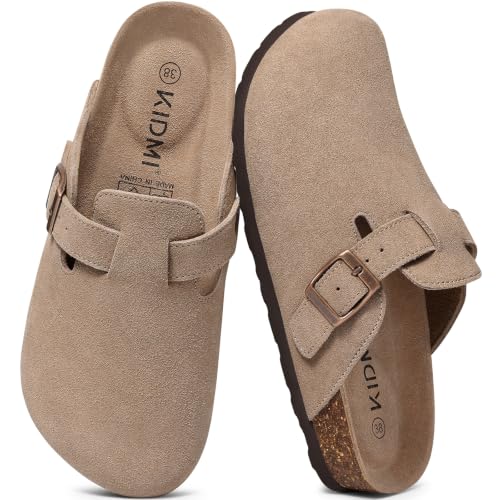
KIDMI Genuine Suede Clogs for Women Men Cork Footbed Mules Potato Shoes | Arch Support, Comfortable, Leather Slip On, Fall, Casual, Indoor Outdoor, Non-slip Rubber Sole, Adjustable Metal Buckle
Check price on Amazon
Dr. Scholl's Women's Time Off Sneaker Sneaker White 9 M
Check price on Amazon
IQYNAM Sneakers for Women Men Walking Running Tennis Non Slip Shoes Black 8 | Breathable,Comfortable,Slip-On,Work,Gym,Workout,Athletic,Sport,Standing,Zapatos,Tenis,Unisex
Check price on Amazon
Crocs Unisex-Adult Classic Clog, Black, 9 Women/7 Men | Clogs for Women and Men
Check price on Amazon
Skechers Women's Go Walk Joy Sneaker, Taupe, 8.5
Check price on Amazon
DREAM PAIRS Women's Mary Jane Flats Ankle Strap Shoes,Black,8.5 | 3D Memory Foam Insole, Lightweight TPR Outsole, Breathable Lining, Adjustable Strap Slip-on Wear, All-day Support
Check price on AmazonCare Tips for Lasting Comfort
Even the most comfortable shoes lose their cushioning over time. Here is how to extend their life and maintain comfort:
- Rotate Your Shoes: Give each pair 24 hours to dry and decompress between wears.
- Replace Insoles Regularly: Foam compresses over time. Swap in fresh arch support inserts every 6–12 months.
- Clean According to Material: Leather needs conditioner; mesh needs gentle brushing. Proper care preserves breathability.
- Store Properly: Use shoe trees for leather shoes and keep them in a cool, dry place.
- Check for Wear: Replace shoes when the midsole flattens or the outsole wears through. Worn shoes lose their comfort and support.
For more detailed care instructions, explore our Shoe Care & Repair Hub.
Frequently Asked Questions
All-day comfort comes from proper cushioning, arch support, breathable materials, a roomy toe box, and a flexible yet stable sole. The right fit is also essential. Look for shoes with removable insoles so you can customize support if needed.
Comfortable shoes typically range from $80 to $200. Premium options with advanced cushioning and orthopedic features can cost $200 to $400. The sweet spot for most people is $100–$150, where you get quality materials and solid support without paying for luxury branding.
Not always. Price often reflects materials, brand reputation, and design, but comfort depends on fit, cushioning, and support. Many affordable shoes offer excellent comfort, especially when paired with quality insoles. Focus on features rather than price tags.
Wear them for short periods initially — 30 minutes to an hour — then gradually increase time. Use a shoe stretcher for tight spots, and ensure proper lacing to avoid pressure points. Leather shoes typically take 1–2 weeks to break in; mesh and knit shoes may need only a few days.
Look for comfortable work shoes with anti-fatigue midsoles, arch support, and slip-resistant outsoles. Brands specializing in nursing, hospitality, and industrial footwear design shoes specifically for long periods of standing. Non-slip work shoes are also essential for safety in many workplaces.
Yes! Add arch support inserts or heel cushions, use a shoe stretcher for tight spots, and replace worn insoles. Proper lacing techniques can also relieve pressure points. However, if the shoe's structure is worn out, replacement is the better option.
Find Your Perfect Comfortable Shoes Today
Your feet deserve the best. Explore our recommended picks and take the first step toward all-day comfort.
Shop Recommended Shoes