
Arch Support Inserts: The Complete Guide to Foot Pain Relief
Discover how the right arch support inserts can transform your comfort, improve your posture, and help you stay on your feet all day. Whether you have flat feet, high arches, or plantar fasciitis, this guide will help you choose the perfect pair.
Find Your Perfect InsertsIf you've ever experienced a sharp pain in your heel, a dull ache in your arch, or fatigue after standing for hours, you're not alone. Millions of people suffer from foot discomfort that could be significantly reduced—or even eliminated—with the right arch support inserts. But with so many options on the market, finding the right pair can feel overwhelming. That's where we come in.
In this comprehensive guide, we'll walk you through everything you need to know about arch support inserts: what they are, how they work, which conditions they help with, and how to choose the best pair for your specific needs. By the end, you'll have the confidence to make an informed purchase and finally get the relief you deserve.
What Are Arch Support Inserts?
Arch support inserts—also known as insoles, orthotic inserts, or shoe inserts—are removable footbeds designed to sit inside your shoes. They provide additional cushioning, stability, and support to your feet, particularly in the arch area. Unlike the thin, flat insoles that come with most shoes, arch support inserts are engineered to contour to the natural shape of your foot, distributing pressure evenly and reducing strain on your arches, heels, and joints.
They come in a variety of materials, from soft foam and gel to rigid plastic and carbon fiber. Some are designed for specific activities like running or hiking, while others are made for everyday wear or formal shoes. For those who need extra support, arch support shoes combined with inserts can provide a complete solution. The key is finding the right balance of cushioning, support, and fit for your unique foot structure and lifestyle.
How Arch Support Inserts Help You
Pain Relief
Targeted support reduces pressure on your heels, arches, and metatarsals, alleviating pain from conditions like plantar fasciitis and flat feet.
Improved Alignment
Proper arch support helps align your feet, ankles, knees, and hips, reducing strain on your entire body and improving your posture.
Enhanced Comfort
Extra cushioning and shock absorption make standing, walking, and running more comfortable, especially on hard surfaces.
Better Performance
For athletes, the right inserts can improve stability, reduce fatigue, and enhance overall performance in sports and workouts.
Conditions That Benefit from Arch Support Inserts
Arch support inserts are not just for athletes or people with foot deformities. They can help with a wide range of conditions and situations. Here are some of the most common:
- Plantar Fasciitis: This condition causes inflammation of the plantar fascia, a thick band of tissue that runs along the bottom of your foot. Arch support inserts can cushion the heel and reduce tension on the fascia, providing significant relief. Pairing inserts with comfortable shoes can further enhance comfort.
- Flat Feet (Pes Planus): If your arches are flat or collapsed, you may overpronate (roll your feet inward), leading to pain and instability. Inserts with firm arch support can help correct your gait and reduce discomfort. For women, orthopedic shoes for women paired with inserts offer excellent support.
- High Arches (Pes Cavus): High arches can cause excessive pressure on the ball and heel of your foot. Cushioned inserts with metatarsal pads can distribute pressure more evenly.
- Overpronation: This common gait pattern can lead to knee, hip, and back pain. Stability-focused inserts can help control pronation and improve alignment.
- Diabetic Foot: People with diabetes often need extra cushioning and pressure distribution to prevent ulcers and improve comfort. Inserts designed for diabetics are available.
- Arthritis: Arthritis in the feet can cause pain and stiffness. Soft, supportive inserts can reduce stress on affected joints.
- Standing All Day: If your job requires you to stand for long hours, arch support inserts can significantly reduce fatigue and discomfort. They are especially useful in work shoes for men and non-slip work shoes.
Types of Arch Support Inserts
Not all arch support inserts are created equal. Understanding the different types will help you make a more informed choice:
| Type | Best For | Material | Price Range |
|---|---|---|---|
| Over-the-Counter (OTC) | Mild to moderate pain, everyday comfort | Foam, gel, rubber | $15–$50 |
| Custom Orthotics | Severe pain, specific foot conditions | Plastic, carbon fiber, cork | $200–$800 |
| Heat-Moldable | Custom fit at home, moderate support | EVA foam, thermoplastic | $30–$80 |
| Sport-Specific | Running, hiking, basketball, cycling | Gel, foam, carbon fiber | $25–$60 |
| Dress Shoe Inserts | Formal shoes, slim profile | Leather, foam, gel | $20–$50 |
| Diabetic Inserts | Diabetes, sensitive feet | Memory foam, gel, plastazote | $25–$70 |
How to Choose the Right Arch Support Inserts
Choosing the right inserts requires a bit of self-assessment and research. Here's a step-by-step guide to help you find the perfect pair:
- Identify Your Foot Type: Are your arches flat, neutral, or high? You can determine this by doing a simple "wet test"—wet your feet and step on a piece of cardboard. The imprint will show your arch shape.
- Consider Your Activity: Are you looking for inserts for running, hiking, standing at work, or everyday wear? Different activities require different levels of support and cushioning. For athletes, running shoes for women or gym shoes paired with sport-specific inserts can make a big difference.
- Check Your Shoes: Not all inserts fit all shoes. Make sure the inserts you choose are compatible with your footwear. For example, dress shoes need slim inserts, while work boots can accommodate thicker ones. If you wear wide toe box shoes, look for inserts that match the width.
- Look for the Right Features: Key features to look for include arch height, heel cup depth, cushioning, and breathability. If you have plantar fasciitis, look for inserts with deep heel cups and firm arch support.
- Read Reviews: Customer reviews can provide valuable insights into how well an insert performs in real-world conditions. Look for reviews from people with similar foot types and needs.
- Consider Custom vs. OTC: If your pain is severe or you have a specific medical condition, custom orthotics made by a podiatrist may be your best bet. For mild to moderate discomfort, OTC inserts are often sufficient and much more affordable.
💡 Pro Tip: Break Them In Gradually
When you first get your arch support inserts, don't wear them all day immediately. Start with 1–2 hours a day and gradually increase the time over a week or two. This allows your feet and muscles to adjust to the new support and prevents discomfort.
Recommended Arch Support Inserts
⚠️ AFFILIATE DISCLOSURE: This website contains affiliate links. As an affiliate Associate, we earn from qualifying purchases. If you make a purchase through these links, we may receive a small commission at no additional cost to you. Read our full affiliate policy.

WalkHero Arch Support Inserts for Women Men, Relieve Plantar Fasciitis
Check price on Amazon
Dr. Scholl's Tri-Comfort Shoe Insoles, Shoe Inserts for Women, Size 6-11
Check price on Amazon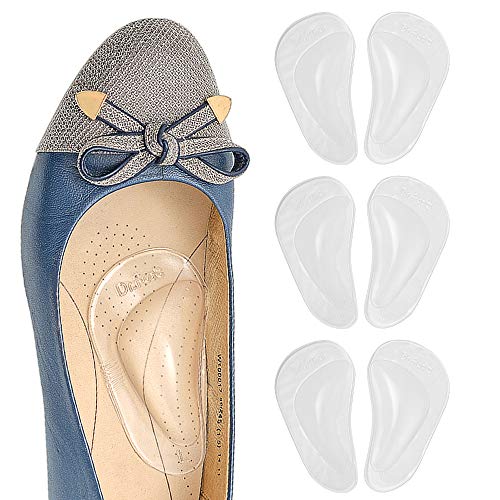
Dr. Foot's Arch Support Shoe Insoles for Flat Feet, Gel Arch Inserts for Plantar Fasciitis, Adhesive Arch Pad for Relieve Pressure and Feet Pain- 3 Pairs (Clear, 3 Count (Pack of 1))
Check price on Amazon
Arch Support Inserts Women Men Plantar Fasciitis Insole Heavy Duty Support
Check price on Amazon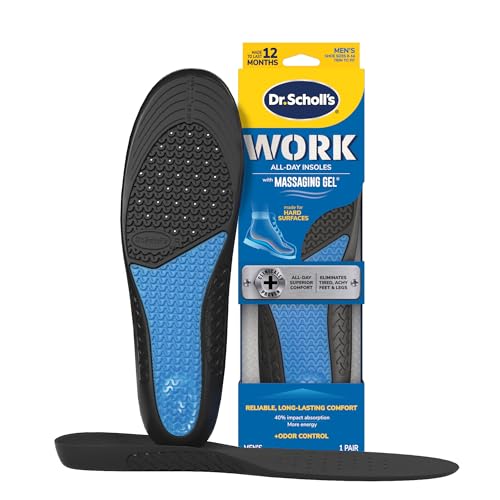
Dr. Scholl's Work All-Day Superior Comfort Insoles (with) Massaging Gel, Men, 1 Pair, Trim to Fit
Check price on Amazon
PowerStep Pinnacle Insoles, Plantar Fasciitis Relief (M 10-10.5, W 12-12.5)
Check price on Amazon
WalkHero 220+lbs Pain Relief Insoles, High Arch Support Inserts Women Men
Check price on Amazon
Dr. Scholl's Shoe Insoles for Women, Arch Support Shoe Inserts, 1 Pair
Check price on AmazonHow to Use Arch Support Inserts Correctly
Getting the most out of your arch support inserts is about more than just slipping them into your shoes. Here are some best practices:
- Remove the Original Insole: Most shoes come with a removable insole. Take it out before inserting your new arch support inserts to ensure a proper fit and avoid overcrowding.
- Trim if Necessary: Many inserts are designed to be trimmable. If your inserts are too long, you can trim them with scissors to match the shape of your original insole. Always trim a little at a time and test the fit.
- Position Correctly: Make sure the insert is positioned correctly in the shoe, with the heel cup aligned with the back of the shoe and the arch support under your arch.
- Rotate Between Shoes: If you have multiple pairs of shoes, consider buying multiple sets of inserts or transferring them between shoes. This ensures consistent support wherever you go.
- Replace Regularly: Over time, inserts can wear out and lose their supportive properties. Replace them every 6–12 months, or sooner if you notice they're flattened or damaged.
For those who need extra stability, combining inserts with comfortable work shoes or walking shoes for men can provide a complete comfort solution.
Frequently Asked Questions
How long do arch support inserts last?
The lifespan of arch support inserts depends on the material and how often you use them. Generally, OTC inserts last 6–12 months, while custom orthotics can last 2–5 years with proper care. Replace them when they become flattened, cracked, or less supportive.
Can I use arch support inserts in any shoes?
Most shoes can accommodate inserts, but the type of shoe matters. Athletic shoes and work boots typically have removable insoles and enough depth for thicker inserts. Dress shoes and heels may require slim, low-profile inserts. Always check that the insert fits comfortably without making the shoe too tight.
Are arch support inserts good for flat feet?
Yes, arch support inserts are highly effective for flat feet. They help lift the arch, correct overpronation, and reduce strain on the feet, ankles, and knees. For best results, choose inserts with firm arch support and a deep heel cup.
Do I need a doctor's prescription for custom orthotics?
In most cases, yes. Custom orthotics are typically prescribed by a podiatrist or foot specialist after a thorough examination. However, you can also find direct-to-consumer custom orthotic services that allow you to take impressions at home and order online.
Can arch support inserts help with knee and back pain?
Yes, they can. Poor foot alignment can cause a chain reaction of misalignment throughout the body, leading to knee, hip, and back pain. By supporting your arches and improving your gait, inserts can help reduce strain on these areas and alleviate pain.
How do I know if I need arch support inserts?
Signs that you may benefit from arch support inserts include foot pain after standing or walking, heel pain (especially in the morning), flat feet, high arches, overpronation, and frequent foot fatigue. If you're unsure, consult a podiatrist for a professional assessment.
Ready to Take the First Step Toward Pain-Free Feet?
Browse our curated selection of top-rated arch support inserts and find the perfect pair for your needs. Your feet will thank you.
Shop Recommended Inserts