
Volleyball Shoes: The Complete Buyer's Guide to Court-Ready Footwear
Master the court with confidence. Learn how to choose volleyball shoes that deliver grip, cushioning, ankle support, and durability for indoor and outdoor play.
SEE TOP PICKSWhy Volleyball Shoes Matter: A single match involves hundreds of jumps, lateral shuffles, and sudden stops. The right pair protects your joints, prevents blisters, and gives you the traction to explode off the floor. This guide breaks down everything you need to know before buying.
Key Takeaways
- Volleyball shoes need gum rubber outsoles for indoor court grip — regular running shoes will slip.
- Look for moderate cushioning in the heel and forefoot to absorb jump landings without sacrificing court feel.
- Lateral support is critical — reinforced uppers and wide bases prevent ankle rolls during side-to-side movement.
- Expect to pay $70–$180 for quality volleyball shoes, with elite models reaching $180+.
- Fit should be snug but not tight, with about a thumb's width of toe room.
Why Volleyball Shoes Are Different From Running Shoes
Many new players make the mistake of wearing running shoes on the court. While both are athletic footwear, they serve completely different movement patterns. Running shoes are built for forward motion — they have soft, thick cushioning and a slightly rockered profile that propels you forward. Volleyball, on the other hand, demands lateral stability, explosive jumping, and rapid direction changes. A running shoe's soft foam can compress unpredictably during a side shuffle, leading to rolled ankles and lost footing. If you are transitioning from other court sports, it also helps to understand how performance footwear is engineered around specific movements.
Volleyball shoes solve this by using a lower, wider platform with a denser midsole and a gum rubber outsole that grips cleanly on polished wood or synthetic courts. The upper is typically reinforced around the sides to handle the constant lateral pressure. If you are still building your athletic shoe rotation, exploring trainers and lightweight running shoes can help you appreciate the specialized design of volleyball footwear.
Essential Features to Look For
1. Court Grip and Outsole
The outsole is the single most important part of a volleyball shoe. Indoor courts require gum rubber — a sticky, non-marking compound that creates friction on smooth surfaces. Look for a herringbone or pivot-point tread pattern that allows controlled rotation during a spike approach. Outdoor players should choose a slightly harder rubber with deeper lugs for gravel or concrete courts. For players who also play on abrasive surfaces, reviewing our durability comparison can help you pick a longer-lasting pair.
2. Cushioning and Shock Absorption
Volleyball involves constant jumping and landing, which puts up to 5–7 times your body weight through your knees and ankles. Quality volleyball shoes use a combination of EVA foam, gel inserts, or proprietary cushioning systems in the heel and forefoot. However, too much cushioning can feel mushy and reduce court feel. The best volleyball shoes strike a balance — enough absorption to protect joints, but firm enough for quick response. If you have existing foot concerns, our ergonomic guide explains how to evaluate support features.
3. Lateral Support and Stability
Side-to-side movement is where ankles get injured. Look for shoes with a reinforced midfoot shank, TPU heel counter, and wide base. Some models include outriggers — extended sole edges that widen the contact area during sharp lateral cuts. The upper should be snug around the midfoot, with durable materials like synthetic leather or TPU overlays that resist abrasion from court friction. If you have flat feet or need extra arch support, check our arch support explained resource.
4. Breathability and Weight
Volleyball is a stop-start sport that generates heat quickly. Mesh panels and engineered knit uppers keep feet cool and dry. Lighter shoes (around 10–13 oz for men, 8–11 oz for women) reduce fatigue during long matches. However, ultralight models often sacrifice support — find the sweet spot that matches your playing style. For players who value lightweight comfort, exploring lightweight footwear can give you useful context on weight trade-offs.
Indoor vs Outdoor Volleyball Shoes
Not all volleyball courts are the same. Your shoe choice should match your playing surface.
| Feature | Indoor Court Shoes | Outdoor / Sand Shoes |
|---|---|---|
| Outsole | Gum rubber, non-marking | Harder rubber with deeper lugs |
| Grip Focus | Maximum friction on smooth floors | Traction on sand, gravel, or concrete |
| Cushioning | Moderate, responsive | Softer, more shock absorption |
| Weight | Lighter (court feel priority) | Slightly heavier (durability priority) |
| Typical Price | $70–$180 | $60–$150 |
If you play both indoor and outdoor, consider owning two pairs. Using indoor shoes outdoors quickly wears down the gum rubber and destroys their court grip. For players who also enjoy casual court styling, browsing sneakers and white sneakers can help you find off-court options that complement your athletic rotation.
How to Get the Right Fit
Volleyball shoes should fit snug in the heel and midfoot, with about a thumb's width of space between your longest toe and the front of the shoe. This prevents your toes from jamming during sudden stops while allowing natural foot swelling during play. Always try shoes on at the end of the day when your feet are largest, and wear the same socks you use on the court.
- Heel Lock: Your heel should not slip when you walk or jump. Look for padded collars and a secure lacing system.
- Midfoot Snugness: The shoe should hug your arch and instep without pinching. Adjustable lacing or midfoot straps help.
- Toe Room: A thumb's width prevents black toenails from repeated jumping and landing.
- Width Options: Players with wide feet should look for shoes available in wide sizes. Our guide on wide width shoes covers this in detail.
What Should You Expect to Pay?
Volleyball shoe prices vary based on materials, technology, and brand tier. Here is a realistic breakdown:
- Budget ($50–$80): Entry-level shoes with basic EVA cushioning and simple rubber outsoles. Fine for casual play, but support and durability are limited.
- Mid-Range ($80–$130): The sweet spot for most players. Better cushioning systems, reinforced uppers, and reliable gum rubber outsoles.
- Premium ($130–$180): Advanced shock absorption, lightweight materials, and superior lateral support. Ideal for competitive players.
- Elite ($180+): Flagship models with proprietary cushioning, carbon plates, and the best traction available. Diminishing returns for recreational players.
To evaluate whether a higher price truly delivers better value, our price to quality guide explains how to compare materials and construction. You can also check top rated shoes and user favorites for real-world feedback.
Recommended Volleyball Shoes
⚠️ AFFILIATE DISCLOSURE: This website contains affiliate links. As an affiliate Associate, we earn from qualifying purchases. If you make a purchase through these links, we may receive a small commission at no additional cost to you. Read our full affiliate policy.
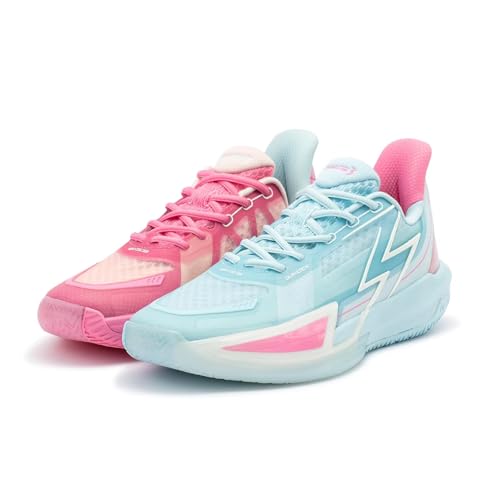
361° Big3 4.0 Quick Basketball Shoes for Men Breathable Outdoor Sneakers Cushioning,Big3 4.5 Quick Lightweight Fashion Anti Slip Shoe for Court Street,Zapatillas de baloncesto Hombre
Check price on Amazon
ASICS Women's Upcourt 6 Volleyball Shoes, 9.5, White/Pure Silver
Check price on Amazon
Under Armour Women's Ace Low 2 Volleyball Shoes, 279 Brown, 8
Check price on Amazon
ASICS Women's Upcourt 6 Volleyball Shoes, 8, Black/White
Check price on Amazon
Under Armour Women's Ace Low 2 Volleyball Shoes, 100 White, 8.5
Check price on Amazon
ASICS Men's Upcourt 6 Volleyball Shoes, 9.5, Black/White
Check price on Amazon
ASICS Women's Upcourt 6 Volleyball Shoes, 9, White/Ocean Haze
Check price on Amazon
Mizuno Cyclone Speed 5 Volleyball Shoe | Womens Volleyball Footwear | White-Black | US Womens 9
Check price on AmazonCommon Mistakes to Avoid
❌ Wearing Running Shoes on the Court
Running shoes have soft, tall cushioning and poor lateral support. They compress unevenly during side shuffles and dramatically increase ankle roll risk.
❌ Choosing Style Over Grip
A beautiful shoe with a hard, marking outsole will slide on polished courts. Always prioritize gum rubber for indoor play — style is secondary.
❌ Buying Too Tight for "Break-In"
Volleyball shoes should not need a painful break-in period. If they pinch immediately, they are too small. Your toes will jam on every jump.
❌ Ignoring Ankle History
If you have sprained an ankle before, invest in shoes with high lateral stability or consider a mid-top design for added coverage. Our orthopedic shoes resource covers supportive options.
Volleyball Shoe Care Tips
A good pair of volleyball shoes can last one to two full seasons with proper care. Wipe down synthetic uppers after each match to remove dust and sweat. Air-dry shoes at room temperature — never in direct sunlight or a dryer, which can warp the midsole and shrink the upper. Rotate between two pairs if you play more than three times per week, allowing each pair 24 hours to dry and decompress.
For deeper cleaning and odor control, our shoe care and repair hub covers material-specific methods. If your insoles wear out before the outsole, replacing them with quality inserts can extend the life of the shoe — see our insole replacement guide.
Frequently Asked Questions
Ready to Dominate the Court?
Explore our hand-picked selection of top-rated volleyball shoes and find the perfect pair for your game. Every recommendation is based on real performance data and player feedback.
BROWSE TOP PICKSRelated Guides
Expand your footwear knowledge with these related resources:
- Stability Running Shoes — Learn how stability features work in athletic footwear.
- Wrestling Shoes — Another court sport with unique traction demands.
- Trail Running Shoes — For players who train outdoors on varied terrain.
- Cleats — Field sport footwear with aggressive traction patterns.
- Shoe Stores — Where to find and try on volleyball shoes near you.
- New Arrivals — The latest volleyball shoe models to hit the market.