
Water Shoes for Men: The Ultimate Buying Guide
Whether you're navigating rocky riverbeds, kayaking through rapids, or simply enjoying a day at the beach, the right pair of water shoes for men is essential. This comprehensive guide will help you understand the key features, fit, and materials to make an informed purchase.
Why Water Shoes Matter: Standard footwear becomes heavy, soggy, and dangerous in wet environments. Water shoes are engineered to drain water, dry quickly, and provide superior grip on slippery surfaces, protecting your feet from sharp objects and extreme temperatures.
What Exactly Are Water Shoes for Men?
Water shoes, also known as aqua shoes or water sneakers, are a specialized type of footwear designed for use in and around water. Unlike regular men's sneakers or running shoes, they are constructed with quick-drying materials and feature a unique drainage system. The soles are typically made of sticky rubber for traction on wet rocks and boat decks, while the uppers are often made of breathable mesh or neoprene. This design prevents water from pooling inside the shoe and allows your feet to breathe, reducing the risk of blisters and fungal infections.
They are distinct from other casual footwear like boat shoes or moccasins, which, while stylish, are not designed for prolonged submersion. Water shoes are a piece of specialized gear for activities like kayaking, canyoning, snorkeling, and wading. For women looking for similar functionality, we also have a guide on water shoes for women.
Key Features to Look for in Men's Water Shoes
Not all water shoes are created equal. To find the best pair for your needs, you need to evaluate several critical components.
1. Drainage and Quick-Dry Materials
The most important feature is a sole that allows water to escape. Look for ports or holes in the sole and a lightweight, non-absorbent upper. Mesh is excellent for drainage, while neoprene offers warmth and a snug fit but takes longer to dry. The goal is to avoid heavy, waterlogged footwear that can cause chafing. Just as you would avoid heavy materials in comfortable shoes for daily wear, you should prioritize lightweight construction here.
2. Outsole Grip and Protection
A sticky rubber outsole is non-negotiable. It provides traction on slick, algae-covered rocks and wet boat decks. The sole should also be thick enough to protect your feet from sharp shells, stones, and debris. For extremely rugged terrain, you might consider a hybrid approach, similar to what you'd find in a hiking shoe, but specifically designed for wet conditions.
3. Fit and Closure System
A secure fit is crucial to prevent your foot from sliding around and causing blisters. Look for adjustable closures like bungee laces, hook-and-loop straps, or a snug slip-on design. The shoe should fit like a second skin—snug but not tight. If you have specific foot shape needs, like a wide toe box, look for brands that offer wider fits.
4. Versatility and Style
While function is primary, many modern water shoes are stylish enough for casual wear. Some models blur the line between a water shoe and a sports shoe. For those who want a shoe that can transition from the water to a casual lunch, a sleek, all-black design is a safe bet, much like a pair of black sneakers.
Top Use Cases for Water Shoes for Men
Understanding where you'll use them will dictate the type of shoe you need.
- Beach and Sand: Protects against hot sand, sharp shells, and rocks. A simple, lightweight shoe is perfect. They are a more protective alternative to men's flip-flops.
- Kayaking and Paddling: Requires excellent grip on a wet, moving deck and protection from submerged obstacles. A low-profile shoe with a secure fit is ideal.
- Hiking and Canyoning: Demands a more rugged sole with deep lugs for traction on uneven, wet terrain. A sturdier shoe, closer to a walking shoe for men, is necessary for support.
- Travel and Camping: A versatile pair can double as a camp shoe or a shoe for rocky shorelines. They pack flat and are lightweight, making them a great alternative to clogs for a weekend trip.
Materials and Maintenance
Water shoes are low-maintenance, but a little care goes a long way. After use, rinse them thoroughly with fresh water to remove salt, sand, and chlorine. Air dry them away from direct sunlight and heat, which can degrade the materials. Avoid putting them in a washing machine, as this can damage the adhesives and structure. A well-cared-for pair can last for many seasons of adventures. For more general tips, see our guide on shoe care and repair. For other types of protective footwear, like non-slip work shoes, similar care principles apply.
What to Expect: Price and Value
Water shoes for men range in price based on materials, brand, and technical features. You can find basic, no-frills models for around $20–$40, which are fine for occasional beach use. Mid-range options from $50–$90 offer better durability, superior grip, and more comfortable fits, making them ideal for regular kayakers or travelers. High-end, specialized models for canyoning or professional use can cost $100 or more. While you don't need to spend a fortune, investing in a quality pair from a reputable brand will provide better protection and last longer. For a broader look at value, see our guide on cheap shoes versus their more expensive counterparts.
Top-Rated Water Shoes for Men
⚠️ AFFILIATE DISCLOSURE: This website contains affiliate links. As an affiliate Associate, we earn from qualifying purchases. If you make a purchase through these links, we may receive a small commission at no additional cost to you. Read our full affiliate policy.

Vans Men's Brooklyn LS Shoe, Suede/Canvas Black/White, 10.5
Check price on Amazon
UGG Tasman II Women's Slipper, 8 B(M) US, Chestnut
Check price on Amazon
adidas Men's Daily 4.0, Olive Strata/Shadow Olive/Gum, 10.5 | Casual Shoes, Skateboarding Shoes, Low-Cut, Regular Fit, Lace-Up, For Skateboarding and Everyday Wear
Check price on Amazon
ODOLY Genuine Suede Clogs for Women Men Comfort Cork Footbed Potato Shoes | Unisex Lightweight Slip-On Leather Mules with Arch Support, Adjustable Buckle, Indoor Outdoor Footwear Taupe39
Check price on Amazon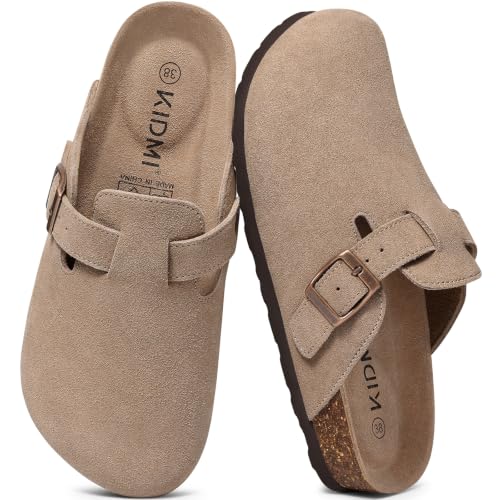
KIDMI Genuine Suede Clogs for Women Men Cork Footbed Mules Potato Shoes | Arch Support, Comfortable, Leather Slip On, Fall, Casual, Indoor Outdoor, Non-slip Rubber Sole, Adjustable Metal Buckle
Check price on Amazon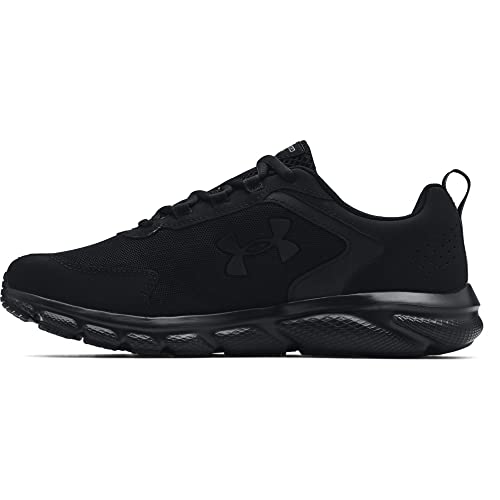
Under Armour Men's Charged Assert 9DISC, Black (003)/Black, 10.5 M US
Check price on Amazon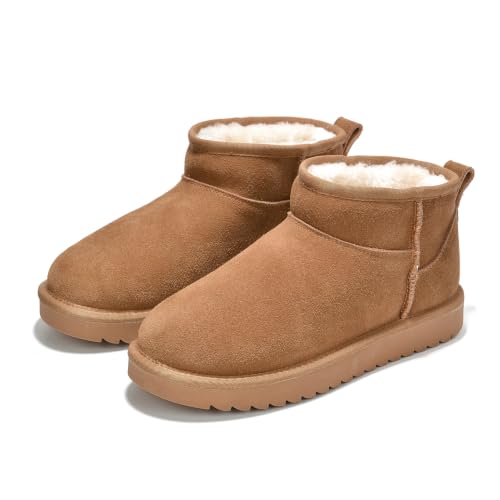
PROJECT CLOUD 100% Genuine Leather Womens Boots Ankle Boots for Women Shoes | Water Resistant Memory Foam Insole Winter Shoes - Trendy Footwear Outdoor Fall Shoes for Women - Winter Booties for Women
Check price on AmazonFrequently Asked Questions
Can I wear water shoes for everyday walking?
While you can, they are not designed for prolonged walking on pavement. The soles lack the cushioning and support of a dedicated walking shoe. They are best reserved for their intended purpose: wet and rugged environments.
How should water shoes fit?
They should fit snugly, like a second skin, without being painful. Your toes should not touch the front, and your heel should not slip out. A secure fit prevents rubbing and instability in the water.
Are water shoes good for the pool?
Yes, they are excellent for protecting your feet from hot pool decks and slippery surfaces. They also provide grip in the water, which can be helpful for water aerobics or casual swimming.