
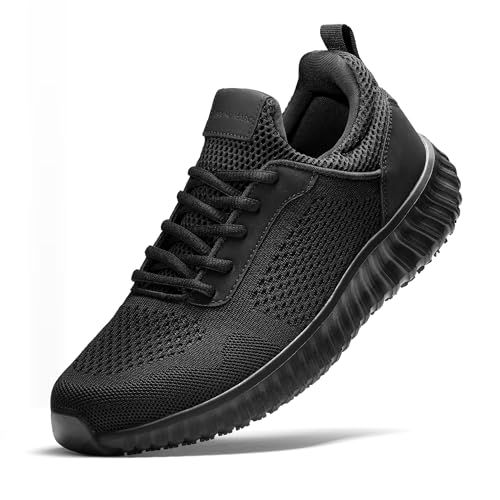


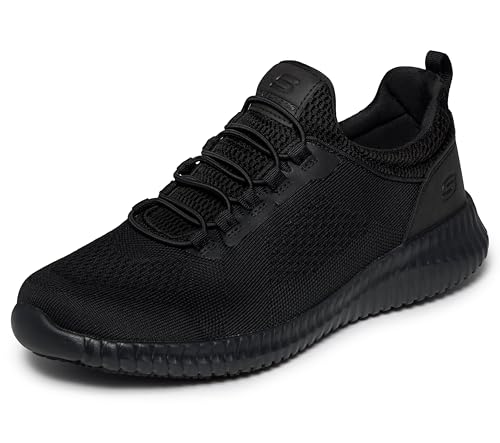
Why Non Slip Work Shoes Are Essential for Workplace Safety
Slips, trips, and falls are among the most common workplace accidents, accounting for a significant percentage of injuries across industries like food service, healthcare, manufacturing, and construction. According to the National Safety Council, slips and falls result in over 25,000 injuries per year in the workplace, many of which could have been prevented with proper footwear.
Non slip work shoes are specifically engineered to provide superior traction on wet, oily, and slippery surfaces. Unlike regular shoes, they feature specialized outsoles with tread patterns that channel liquids away from the contact area, creating friction even in the most challenging conditions. Whether you work in a restaurant kitchen, a hospital corridor, or a factory floor, the right non slip work shoes can mean the difference between a safe shift and a serious injury.
Beyond safety, modern non slip work shoes are designed with comfort in mind. They incorporate cushioning, arch support, and breathable materials that keep your feet comfortable during long hours on your feet. This combination of safety and comfort makes them an essential part of any work wardrobe.
Key Features to Look for in Non Slip Work Shoes
Not all non slip work shoes are created equal. When shopping for the best pair for your needs, consider the following critical features:
🛡️ Slip-Resistant Outsole
The most important feature. Look for rubber outsoles with deep treads and a unique pattern that channels liquids away. The sole should be tested and rated for slip resistance on wet, oily, and dry surfaces.
👟 Comfort & Cushioning
Memory foam insoles, padded collars, and shock-absorbing midsoles are essential for all-day comfort. This is especially important if you're on your feet for 8+ hours a day.
🌬️ Breathability
Moisture-wicking linings and breathable mesh uppers prevent sweat buildup, keeping your feet dry and reducing the risk of fungal infections and odor.
⚖️ Arch Support
Proper arch support is crucial for preventing foot fatigue, plantar fasciitis, and other foot conditions. Look for shoes with removable insoles or built-in arch support.
🔒 Safety Toe (Optional)
If you work in construction or manufacturing, consider steel toe or composite toe options for added protection against falling objects.
💧 Water Resistance
Water-resistant or waterproof materials keep your feet dry in wet environments, which is essential for food service, healthcare, and outdoor work.
Understanding Slip Resistance Ratings
When evaluating non slip work shoes, it's important to understand the different slip resistance ratings and standards. Here are the most common ones you'll encounter:
| Rating/Standard | Description | Best For |
|---|---|---|
| ASTM F2913 | Standard test method for measuring the slip resistance of footwear on wet, oily, and dry surfaces. | General workplace safety |
| SATRA TM144 | European standard for slip resistance testing on ceramic tiles with oil and water. | Food service, healthcare |
| SRC | Highest European slip resistance rating, tested on both ceramic tile with water and steel floor with oil. | Industrial, kitchen, hospital |
| SRB | Slip resistance tested on ceramic tile with water. | General wet environments |
| SRC | Slip resistance tested on steel floor with oil. | Oily industrial environments |
When shopping for work shoes for men or women, look for shoes that carry one or more of these certifications. The SRC rating is the most comprehensive, as it tests both wet and oily conditions.
Best Non Slip Work Shoes by Industry
Different industries have different requirements for non slip footwear. Here's a breakdown of the best options for common work environments:
Food Service & Restaurant
In kitchens and restaurants, floors are often slick with water, grease, and food particles. The best non slip work shoes for this environment feature:
- SRC-rated slip resistance for both wet and oily surfaces
- Waterproof or water-resistant materials for easy cleaning
- Closed-toe design for protection against spills and dropped items
- Comfortable cushioning for long shifts on hard floors
Popular options include the comfortable work shoes from brands like Skechers, Dansko, and Crocs. These shoes are designed to be lightweight, easy to clean, and incredibly comfortable for 8-12 hour shifts.
Healthcare & Medical
Nurses, doctors, and medical staff spend long hours on their feet, often on hard, sterile floors. The best non slip work shoes for healthcare should offer:
- Excellent arch support and cushioning for all-day comfort
- Slip-resistant outsoles for wet hospital corridors
- Easy-to-clean, non-porous materials
- Breathable uppers to prevent sweat and odor
For healthcare professionals, we recommend looking at arch support shoes that are specifically designed for clinical environments. Brands like Dansko, Alegria, and Brooks are popular choices in this sector.
Manufacturing & Industrial
In factories, warehouses, and construction sites, workers face a unique set of hazards, including slippery oil, heavy machinery, and falling objects. The best non slip work shoes for industrial environments include:
- Steel toe or composite toe for impact protection
- SRC-rated slip resistance for oily and wet surfaces
- Puncture-resistant soles
- Electrical hazard protection (EH-rated)
- Durable, abrasion-resistant materials
For industrial workers, consider work shoes for men from brands like Timberland PRO, Red Wing, and Keen. These shoes are built to withstand the toughest conditions while keeping your feet safe and comfortable.
Retail & Hospitality
Retail workers and hospitality staff are often on their feet for long periods, moving between different surfaces. The best non slip work shoes for this environment should be:
- Lightweight and flexible for easy movement
- Stylish enough to wear with a uniform
- Slip-resistant on both wet and dry surfaces
- Cushioned for comfort during long shifts
For these environments, comfortable shoes that offer a balance of style and safety are ideal. Look for brands like Skechers, Clarks, and Merrell.
How to Choose the Right Non Slip Work Shoes
With so many options available, choosing the right non slip work shoes can feel overwhelming. Follow this step-by-step guide to make the best decision:
1. Identify Your Work Environment
Are you working in a wet, oily, or dry environment? Is the floor ceramic tile, concrete, or steel? Knowing your environment will help you determine the level of slip resistance you need. For example, if you work in a kitchen with grease and water, you'll need SRC-rated shoes. If you work in a dry warehouse, a basic slip-resistant sole may suffice.
2. Determine Your Comfort Needs
How long are you on your feet? Do you have any foot conditions like plantar fasciitis or flat feet? If so, you'll need shoes with excellent arch support and cushioning. Consider arch support inserts for additional support if needed.
3. Consider Safety Features
Do you need a steel toe or composite toe? Are there electrical hazards? Do you need puncture resistance? Make a list of the safety features required for your job and prioritize them in your search.
4. Check the Fit
Proper fit is crucial for both comfort and safety. Your non slip work shoes should have about a thumb's width of space between your longest toe and the front of the shoe. They should be snug around the heel but not tight across the instep. If you have wide feet, look for wide shoes for women or men's wide widths.
5. Read Reviews and Compare
Before making a purchase, read reviews from other workers in your industry. Look for feedback on slip resistance, comfort, durability, and sizing. Compare different brands and models to find the best value for your budget.
Maintenance Tips for Non Slip Work Shoes
To ensure your non slip work shoes perform at their best, regular maintenance is essential:
- Clean the outsoles regularly: Dirt, grease, and debris can clog the tread pattern and reduce slip resistance. Scrub the outsoles with a brush and mild detergent after each shift.
- Check for wear: Inspect the tread pattern regularly. If the treads are worn down or smooth, it's time to replace the shoes. Worn outsoles are a major safety hazard.
- Rotate your shoes: If possible, alternate between two pairs of non slip work shoes. This gives each pair time to dry and recover, extending their lifespan.
- Use shoe trees: Insert shoe trees or stuff newspaper into your shoes after wearing to absorb moisture and maintain their shape.
- Store properly: Keep your work shoes in a cool, dry place away from direct sunlight. Avoid storing them in damp environments where mold and bacteria can grow.
Frequently Asked Questions About Non Slip Work Shoes
Final Thoughts: Invest in Your Safety and Comfort
Non slip work shoes are more than just a safety requirement—they're an investment in your overall well-being. The right pair will keep you safe on the job, reduce fatigue, and prevent long-term foot problems. When choosing your next pair, prioritize slip resistance, comfort, and durability.
Remember to consider your specific work environment, try on different brands and styles, and read reviews from other workers in your industry. With the right non slip work shoes, you can focus on your job knowing your feet are protected and comfortable.
Ready to find your perfect pair? Explore our top recommendations above, and take the first step toward a safer, more comfortable workday. Your feet will thank you.