
Water Shoes That Keep Sand and Rocks Out: The Complete Guide
Say goodbye to gritty toes and painful pebbles. Learn how to choose protective water shoes that seal out debris while keeping you comfortable in any aquatic environment.
Explore the GuideWhy This Matters: Traditional water shoes let sand, pebbles, and small rocks slip through gaps around the ankle and tongue. The best protective water shoes use elasticized closures, high-top collars, and drainage systems that let water out—but keep debris where it belongs: outside your shoe.
What Makes a Water Shoe Truly Sand and Rock Proof?
Not all water shoes are created equal. A standard aqua sock might protect your soles from hot sand and sharp shells, but it won't stop fine grains from working their way inside. If you've ever spent a beach day constantly stopping to shake out your shoes, you know the frustration.
Water shoes designed to keep sand and rocks out share several key design features: a snug, high-cut collar that hugs the ankle, an elasticized or drawstring closure system, and often a neoprene or stretch-knit upper that conforms to your foot without leaving gaps. These elements work together to create a barrier that debris simply can't penetrate.
The difference between a basic water shoe and a true protective option comes down to construction. Cheap water shoes often use a loose, one-size-fits-all approach with wide openings. Quality options from brands like water shoes that look like sneakers combine athletic shoe design with aquatic functionality, giving you the best of both worlds.
Key Features to Look For in Protective Water Shoes
When shopping for water shoes that keep sand and rocks out, focus on these critical features:
🔒 Elasticized Ankle Collar
A snug, stretchy opening that hugs your ankle prevents sand and small rocks from entering. Look for neoprene or spandex blends that maintain elasticity over time.
🕸️ Fine Mesh Drainage
One-way drainage ports let water escape without allowing sand to enter. The mesh must be fine enough to block grains but open enough to drain quickly.
🛡️ Reinforced Toe Cap
A rubber or synthetic toe bumper protects against rocks and stubs while also preventing debris from entering through the front of the shoe.
🔗 Adjustable Strap System
Hook-and-loop straps or bungee laces let you customize the fit. A secure fit is essential—if the shoe moves, debris will find a way in.
🧵 Seam-Sealed Construction
Minimal stitching or sealed seams reduce entry points for sand. Welded or bonded uppers are ideal for debris protection.
🦶 Arch Support & Cushioning
Protective water shoes should also be comfortable. Look for options with arch support and cushioning for all-day wear.
Comparison: Types of Water Shoes and Their Debris Protection
Different water shoe styles offer varying levels of protection against sand and rocks. Here's how they compare:
| Type | Debris Protection | Best For | Price Range |
|---|---|---|---|
| Aqua Socks | Low | Pool, smooth sand | $15–$40 |
| Standard Water Shoes | Medium | Beach, light river walking | $30–$70 |
| High-Top Water Shoes | High | Rocky rivers, rugged coastlines | $50–$120 |
| Water Shoes with Arch Support | High | All-day wear, flat feet, plantar fasciitis | $60–$150 |
| Hybrid Water Sneakers | Very High | Hiking through water, mixed terrain | $80–$180 |
For most beachgoers and casual river waders, a mid-range water shoe with an elasticized collar and drainage mesh offers the best balance of protection, comfort, and value. If you're navigating rocky terrain or have foot conditions like plantar fasciitis, investing in a higher-end option with proper support is worth every penny.
How to Ensure a Debris-Free Fit
Even the best water shoes can let in sand if they're not fitted correctly. Follow these tips to maximize protection:
- Measure your feet properly: Water shoes should fit snugly but not tight. There should be about a thumbnail's width between your longest toe and the front of the shoe.
- Adjust all closures: If your water shoes have straps, laces, or drawstrings, tighten them before entering the water. Loose closures are the number one cause of debris infiltration.
- Wear the right socks (or none): For the best seal, wear water shoes barefoot or with thin neoprene socks. Regular cotton socks hold water and can cause chafing.
- Check the collar height: Higher collars provide better protection. If you're in an area with lots of small rocks, choose a mid or high-top design.
- Rinse after use: Sand and salt can degrade elastic and mesh over time. Rinse your water shoes with fresh water after every use to maintain their protective properties.
💡 Pro Tip: If you have wide feet or swollen feet, standard water shoes may not seal properly. Look for extra wide velcro shoes for swollen feet or adjustable water shoe designs that accommodate a wider fit without sacrificing debris protection.
Best Water Shoes for Different Environments
The ideal water shoe depends on where you'll be using it. Here's a quick breakdown:
Fine Sand Protection
Look for high-cut neoprene water shoes with elastic ankle bands. The key is preventing fine grains from entering through the collar. Drainage holes should be small enough to block sand but large enough to drain water quickly.
Rock and Pebble Defense
Choose water shoes with reinforced toe caps and thick rubber soles. A secure lacing system is critical—rocks can easily push through loose openings. Consider lightweight waterproof hiking shoes that transition from trail to water.
All-Day Comfort
Water park shoes need to be comfortable for hours of walking on concrete. Look for cushioned insoles and breathable mesh. Comfortable waterproof shoes for walking are an excellent choice for this environment.
Mud and Debris Protection
Lakes often have muddy bottoms with hidden sticks and rocks. Choose water shoes with aggressive tread and a secure mid-foot strap. Quick-drying materials are essential to prevent odor and bacterial growth.
Maintaining Your Water Shoes for Long-Lasting Protection
To keep your water shoes performing at their best, regular care is essential:
- Rinse after every use: Fresh water removes salt, sand, and chlorine that can degrade materials.
- Air dry thoroughly: Never leave water shoes in a closed bag or direct sunlight. Stuff them with newspaper to absorb moisture and maintain shape.
- Check for wear: Inspect the ankle collar, seams, and drainage mesh regularly. Small tears or stretched elastic can compromise debris protection.
- Use mesh bags for storage: Store water shoes in a breathable mesh bag to prevent mildew and allow air circulation.
- Replace when needed: If the elastic collar loses its stretch or the drainage mesh becomes clogged or torn, it's time for a new pair.
For those who also need protective footwear for other environments, consider water-resistant and slip-resistant shoes for everyday wear, or comfortable waterproof sandals for women for warmer weather.
Ready to Find Your Perfect Pair?
Browse our top recommendations for water shoes that keep sand and rocks out. Whether you're heading to the beach, exploring a rocky river, or enjoying a water park, we've got you covered. Jump to our recommended products to see the best options available right now.
Best Water Shoes That Keep Sand and Rocks Out
⚠️ AFFILIATE DISCLOSURE: This website contains affiliate links. As an affiliate Associate, we earn from qualifying purchases. If you make a purchase through these links, we may receive a small commission at no additional cost to you. Read our full affiliate policy.

Vans Men's Brooklyn LS Shoe, Suede/Canvas Black/White, 10.5
Check price on Amazon
UGG Tasman II Women's Slipper, 8 B(M) US, Chestnut
Check price on Amazon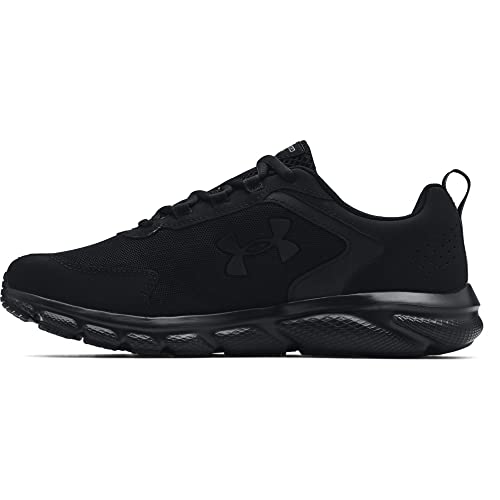
Under Armour Men's Charged Assert 9DISC, Black (003)/Black, 10.5 M US
Check price on Amazon
ODOLY Genuine Suede Clogs for Women Men Comfort Cork Footbed Potato Shoes | Unisex Lightweight Slip-On Leather Mules with Arch Support, Adjustable Buckle, Indoor Outdoor Footwear Taupe39
Check price on Amazon
adidas Men's Daily 4.0, Grey/Black/White, 10 | Casual Shoes, Skateboarding Shoes, Low-Cut, Regular Fit, Lace-Up, For Skateboarding and Everyday Wear
Check price on Amazon
adidas Men's Daily 4.0, Olive Strata/Shadow Olive/Gum, 10.5 | Casual Shoes, Skateboarding Shoes, Low-Cut, Regular Fit, Lace-Up, For Skateboarding and Everyday Wear
Check price on Amazon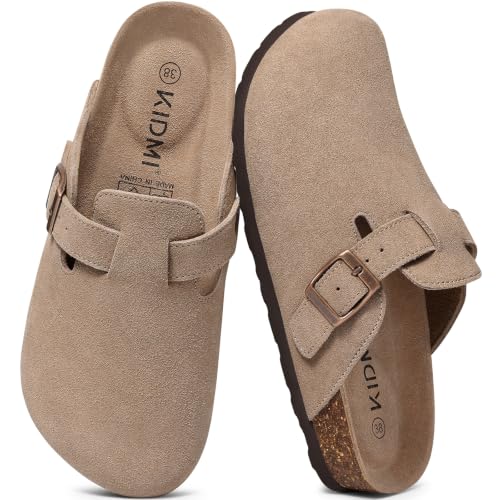
KIDMI Genuine Suede Clogs for Women Men Cork Footbed Mules Potato Shoes | Arch Support, Comfortable, Leather Slip On, Fall, Casual, Indoor Outdoor, Non-slip Rubber Sole, Adjustable Metal Buckle
Check price on AmazonFinal Thoughts: Choosing the Right Protective Water Shoes
Investing in water shoes that keep sand and rocks out transforms your aquatic experience. No more constant stops to shake out debris, no more sore feet from hidden pebbles, and no more ruined days at the beach or river.
The key is to prioritize fit, closure systems, and drainage design over style alone. A snug, well-constructed water shoe with an elasticized collar and fine mesh drainage will keep your feet comfortable and debris-free, letting you focus on enjoying the water.
Remember to consider your specific needs—whether you need comfortable shoes for long-standing work, comfortable walking sandals for flat feet, or simply a reliable pair of water shoes for family beach trips. The right pair is out there, and our recommended products above are a great starting point.