
Men's Lightweight Waterproof Hiking Shoes
Your ultimate guide to finding the perfect balance of protection, comfort, and agility on the trail. Discover how modern materials and smart design are redefining outdoor footwear.
See Top PicksWhy Lightweight Waterproof Hiking Shoes Are a Game-Changer
For decades, hikers faced a tough choice: heavy, protective boots that kept feet dry but felt like anchors, or lightweight trail runners that breathed well but left you vulnerable to the elements. Today, that compromise is history. Men's lightweight waterproof hiking shoes have evolved into sophisticated pieces of engineering that offer the best of both worlds.
Whether you're navigating muddy forest trails, crossing shallow streams, or tackling rocky ascents, the right pair of shoes can dramatically improve your experience. These shoes are designed for hikers who value agility, speed, and comfort without sacrificing essential protection. If you're looking for footwear that can handle both wet conditions and long distances, you might also want to explore our guide on comfortable waterproof shoes for walking, which covers similar technologies in a walking context.
In this comprehensive guide, we'll break down everything you need to know about lightweight waterproof hiking shoes: from waterproofing technologies and sole construction to fit and break-in periods. By the end, you'll be equipped to make an informed decision and choose the perfect pair for your next adventure.
Key Features to Look For in Lightweight Waterproof Hiking Shoes
Not all hiking shoes are created equal. Understanding the core components will help you evaluate options and find the right match for your hiking style and terrain.
Waterproof Membrane
Look for shoes with a built-in waterproof membrane (like Gore-Tex or similar technologies). These membranes allow vapor to escape while blocking liquid water, keeping your feet dry from both external moisture and internal sweat.
Breathability
Lightweight shoes often use mesh panels and engineered fabrics to promote airflow. This is crucial for preventing overheating and blisters during high-intensity hikes.
Traction & Outsole
Aggressive lug patterns and sticky rubber compounds are essential for grip on varied terrain. Look for multi-directional lugs that shed mud and provide braking on descents.
Cushioning & Support
Lightweight doesn't mean unsupportive. Modern EVA and polyurethane midsoles offer excellent shock absorption, while strategic overlays provide lateral stability.
Toe Protection
A reinforced toe cap protects against rocks and roots. This is especially important for lightweight shoes that may have less overall structure than heavy boots.
Weight
Truly lightweight hiking shoes typically weigh between 10 and 15 ounces per shoe. This reduces fatigue on long hikes and allows for faster movement.
When evaluating weight versus protection, consider your typical terrain. If you often hike on well-maintained trails, a lighter shoe may suffice. For more rugged environments, you might need slightly more structure. If you have specific foot conditions, such as plantar fasciitis, you may need to prioritize support features; our article on men's walking shoes for plantar fasciitis offers valuable insights that apply to hiking footwear as well.
Understanding Waterproofing Technologies
The term "waterproof" can be misleading. In reality, most hiking shoes are water-resistant to varying degrees. Here's what you need to know:
- Waterproof Membranes: These are the gold standard. Brands like Gore-Tex, eVent, and proprietary membranes from manufacturers like Merrell and Salomon offer reliable protection. They are typically paired with sealed seams to prevent leakage.
- Water-Resistant Treatments: Some shoes use a DWR (Durable Water Repellent) coating on the exterior. This causes water to bead up and roll off, but it can wear off over time and won't protect in prolonged exposure.
- Leather vs. Synthetic: Full-grain leather is naturally water-resistant and can be treated for enhanced protection. Synthetic materials are lighter and dry faster but require a membrane for true waterproofing.
It's important to note that no shoe is completely waterproof if water can enter from the top (e.g., when crossing a deep stream). For those situations, you might consider waterproof sandals as an alternative for water crossings, or simply accept that your feet may get wet and choose quick-drying footwear.
For hikers who also need slip resistance on wet surfaces, our guide on water-resistant and slip-resistant shoes provides additional criteria to consider.
Getting the Right Fit for Hiking Shoes
Fit is arguably the most critical factor in hiking comfort. A poorly fitting shoe can ruin an otherwise great hike. Here are some tips specific to lightweight hiking shoes:
- Size Up: Your feet swell during hiking, especially on long or warm hikes. Consider going half a size larger than your casual shoe size.
- Toe Room: You should have about a thumb's width of space between your longest toe and the front of the shoe. This prevents toe bang on descents.
- Heel Lock: Your heel should be snug and not slip when walking. A proper lacing technique can help secure the heel.
- Width: If you have wide feet, look for shoes available in wide sizes. Many brands offer specific width options.
If you have flat feet or need extra arch support, you may benefit from aftermarket insoles. Our article on over-the-counter orthotics for flat feet can help you choose the right insert for your hiking shoes. Additionally, if you experience heel pain, check out our recommendations for orthopedic shoes for Achilles tendonitis, as some hiking shoes are designed with these conditions in mind.
Do Lightweight Hiking Shoes Need a Break-In Period?
Generally, lightweight hiking shoes require less break-in time than traditional leather boots. However, it's still wise to wear them around the house and on short walks before heading out on a long hike. This helps ensure there are no pressure points and allows the materials to adapt to your foot shape.
If you experience discomfort during break-in, consider using a shoe stretch spray. While most sprays are designed for leather, there are options for synthetic materials; see our guide on shoe stretch spray for non-leather shoes for safe methods.
Caring for Your Waterproof Hiking Shoes
To maintain waterproof performance and extend the life of your shoes, regular care is essential:
- Clean After Each Hike: Remove mud and dirt with a soft brush and lukewarm water. Avoid harsh detergents.
- Reapply DWR: Over time, the water-repellent coating on the exterior will wear off. Use a spray-on or wash-in DWR treatment specifically for outdoor footwear.
- Dry Properly: Air dry your shoes at room temperature, away from direct heat. Stuffing them with newspaper can help absorb moisture and maintain shape.
- Store Correctly: Keep them in a cool, dry place. Avoid leaving them in a hot car or damp garage.
Proper care not only keeps your feet dry but also ensures the shoes last for many seasons. For those who stand for long periods, whether on the trail or at work, our article on good shoes for being on concrete all day offers additional comfort strategies.
Price Range for Men's Lightweight Waterproof Hiking Shoes
Quality lightweight waterproof hiking shoes typically range from $100 to $250. Entry-level options may start around $80, while premium models from top brands can exceed $250. Investing in a reputable brand often pays off in durability and performance. For those on a budget, our guide on comfortable shoes for long-standing work includes some cost-effective options that share similar comfort technologies.
Recommended Men's Lightweight Waterproof Hiking Shoes
⚠️ AFFILIATE DISCLOSURE: This website contains affiliate links. As an affiliate Associate, we earn from qualifying purchases. If you make a purchase through these links, we may receive a small commission at no additional cost to you. Read our full affiliate policy.

Vans Men's Brooklyn LS Shoe, Suede/Canvas Black/White, 10.5
Check price on Amazon
UGG Tasman II Women's Slipper, 8 B(M) US, Chestnut
Check price on Amazon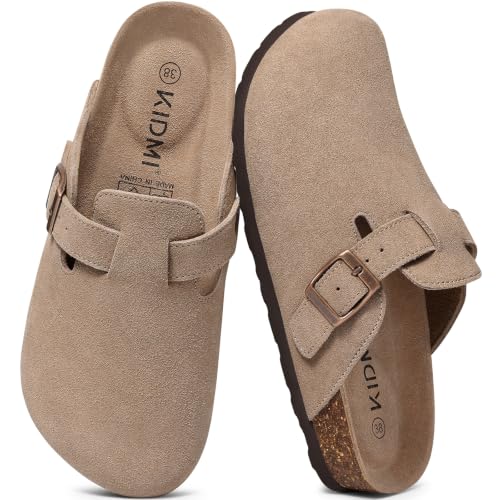
KIDMI Genuine Suede Clogs for Women Men Cork Footbed Mules Potato Shoes | Arch Support, Comfortable, Leather Slip On, Fall, Casual, Indoor Outdoor, Non-slip Rubber Sole, Adjustable Metal Buckle
Check price on Amazon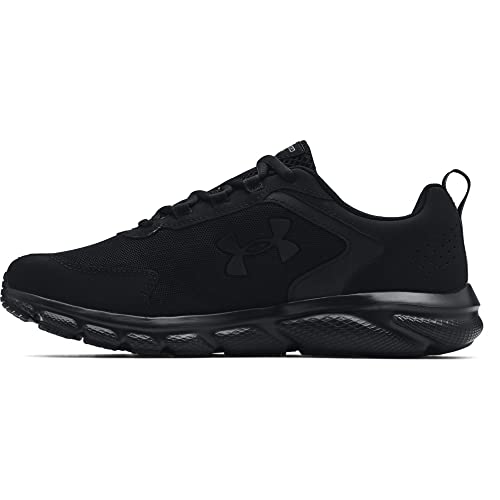
Under Armour Men's Charged Assert 9DISC, Black (003)/Black, 10.5 M US
Check price on Amazon
adidas Men's Daily 4.0, Olive Strata/Shadow Olive/Gum, 10.5 | Casual Shoes, Skateboarding Shoes, Low-Cut, Regular Fit, Lace-Up, For Skateboarding and Everyday Wear
Check price on Amazon
ODOLY Genuine Suede Clogs for Women Men Comfort Cork Footbed Potato Shoes | Unisex Lightweight Slip-On Leather Mules with Arch Support, Adjustable Buckle, Indoor Outdoor Footwear Taupe39
Check price on Amazon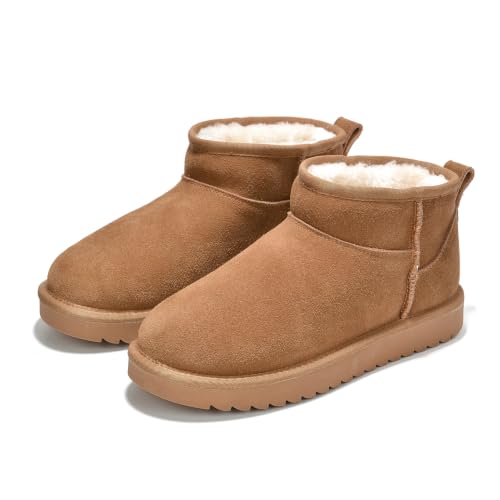
PROJECT CLOUD 100% Genuine Leather Womens Boots Ankle Boots for Women Shoes | Water Resistant Memory Foam Insole Winter Shoes - Trendy Footwear Outdoor Fall Shoes for Women - Winter Booties for Women
Check price on AmazonFrequently Asked Questions
Are lightweight hiking shoes as durable as heavy boots?
While heavy leather boots may last longer in extreme conditions, modern lightweight hiking shoes are surprisingly durable. They use advanced materials that resist abrasion and wear. However, if you frequently hike in very rocky or thorny terrain, a heavier boot may offer better longevity.
Can I use trail running shoes for hiking?
Yes, many hikers use trail running shoes for lightweight hiking. They offer excellent agility and breathability. However, they may lack the ankle support and toe protection of dedicated hiking shoes. For easy to moderate trails, they can be a great choice.
How do I know if my hiking shoes are truly waterproof?
Look for a specific waterproof membrane mentioned in the product description (e.g., Gore-Tex, eVent, or brand-specific technologies). Sealed seams are also a good indicator. You can test water resistance by running a small amount of water over the surface, but remember that prolonged exposure may still penetrate.
Do I need waterproof shoes for summer hiking?
Waterproof shoes can be warmer than non-waterproof options. In hot, dry conditions, a breathable non-waterproof shoe might be more comfortable. However, if your trails involve stream crossings or frequent rain, waterproofing is still beneficial.
What is the best way to lace hiking shoes for a secure fit?
Use a heel-lock lacing technique: after threading the laces through the top eyelets, cross them and insert each end back through the loop on the opposite side, then tie. This locks your heel in place and prevents sliding. For more fit tips, see our guide on comfortable shoes that go with everything.
Final Thoughts: Choosing Your Perfect Pair
Men's lightweight waterproof hiking shoes represent the perfect fusion of technology and comfort. By understanding the key features, waterproofing technologies, and fit considerations, you can confidently select a pair that will enhance your hiking experiences for years to come.
Remember to prioritize fit and function over brand names. The best shoe for you is one that matches your foot shape, hiking style, and typical terrain. If you have specific foot health concerns, such as plantar fasciitis, be sure to explore our related guides on arch support shoes for plantar fasciitis and good running shoes for plantar fasciitis for additional insights that can apply to hiking footwear.
Now that you're equipped with the knowledge, it's time to find your perfect pair. Check out our recommended products above to start your journey toward more comfortable, dry, and enjoyable hikes.