
Water Resistant & Slip Resistant Shoes: The Ultimate Buying Guide
Stay safe, dry, and confident on any surface. Learn how to choose footwear that protects you from the elements and prevents accidents.
VIEW TOP PICKSWhy This Matters: Whether you work in a restaurant, hike on wet trails, or simply live in a rainy climate, the right pair of water resistant and slip resistant shoes can prevent injury, keep you comfortable, and extend the life of your footwear. This guide breaks down everything you need to know before buying.
Why Water Resistance and Slip Resistance Go Hand in Hand
When you're shopping for footwear that can handle wet, oily, or unpredictable surfaces, you'll often see "water resistant" and "slip resistant" mentioned together. While they serve different purposes, they are complementary features that every safety-conscious buyer should prioritize. Water resistance keeps moisture out, preventing soggy socks and cold feet, while slip resistance ensures that even when the ground is wet or greasy, you maintain traction and stability.
For professionals in healthcare, food service, construction, and logistics, these features are not just nice-to-have—they are essential for safety. The comfortable slip resistant shoes for men are specifically designed to meet these demands without sacrificing comfort. Similarly, for those who work long shifts, good non-slip shoes for standing all day provide the support and grip needed to prevent fatigue and falls.
But it's not just about work. Outdoor enthusiasts and everyday commuters also benefit. Imagine walking through a rainy city or hiking a muddy trail—having comfortable waterproof shoes for walking can make all the difference in your experience.
Understanding Water Resistance: What Do the Labels Really Mean?
Not all water-resistant shoes are created equal. The terminology can be confusing, so let's clarify the key differences:
- Water-Repellent: The outermost layer has a coating that causes water to bead up and roll off. This is the least durable option and may wear off over time.
- Water-Resistant: The material or construction (e.g., treated leather, tightly woven mesh, or membranes) prevents water from penetrating for a limited time. Ideal for light rain and splashes.
- Waterproof: The highest level of protection. These shoes use sealed seams, waterproof membranes (like Gore-Tex), and non-porous materials to keep water out completely, even in prolonged exposure.
For most urban and work environments, water-resistant shoes are sufficient. However, if you're frequently exposed to heavy rain or need to step in puddles, consider a waterproof option. If you're looking for footwear that can handle both wet conditions and provide arch support, comfortable waterproof sandals for women are an excellent choice for warmer climates.
It's also worth noting that water resistance can be enhanced with aftermarket treatments. For example, using a shoe stretch spray for non-leather shoes can help maintain the material's integrity while adding a layer of protection.
The Science of Slip Resistance: How to Stay Safe on Any Surface
Slip resistance is determined by the outsole's material, tread pattern, and hardness. The goal is to maximize friction between the shoe and the ground, even when the surface is contaminated with water, oil, or grease.
Key factors to look for:
- Rubber Compounds: Soft, high-friction rubber is best for wet surfaces. Look for soles marked as "oil-resistant" or "slip-resistant."
- Tread Design: Deep, multidirectional grooves channel liquids away from the contact area, preventing hydroplaning.
- Heel and Forefoot: A beveled heel helps with initial contact, while a textured forefoot provides grip during push-off.
For those in healthcare, where spills and slick floors are common, white leather shoes for nursing students often feature slip-resistant outsoles and easy-to-clean surfaces. In warehouse settings, comfortable shoes to work in a warehouse must combine slip resistance with durability and support.
If you're concerned about specific foot conditions, such as plantar fasciitis, you can still find footwear that meets your needs. Look for waterproof sandals for plantar fasciitis or comfortable work shoes with arch support that also offer slip-resistant properties.
Materials and Construction: What Makes a Shoe Water and Slip Resistant?
The materials used in the upper and outsole play a critical role. Here's what to look for:
Uppers: Full-grain leather, treated suede, and synthetic materials like polyurethane are naturally water-resistant. Mesh is breathable but requires a waterproof membrane to keep water out. For hiking, men's lightweight waterproof hiking shoes often use a combination of leather and synthetic mesh with a waterproof bootie.
Soles: Natural rubber, carbon rubber, and blown rubber are common. For maximum slip resistance, look for soles with a high rubber content and a soft durometer (hardness). Some shoes also feature a "lug" pattern for aggressive traction on uneven terrain. If you're on your feet all day, insoles for standing on concrete all day can be added for extra comfort, but the outsole must still provide the grip.
Seams and Linings: Waterproof shoes often have sealed seams and a gusseted tongue to prevent water entry. Breathable linings like mesh or moisture-wicking fabrics help manage sweat.
For those who prefer a more casual look, men's water shoes that look like sneakers offer the best of both worlds—style and function. And for women seeking a blend of fashion and practicality, comfortable shoes that go with everything can be found with water-resistant finishes.
Choosing the Right Pair for Your Needs
For Work: If you're in food service, healthcare, or manufacturing, prioritize slip resistance and water resistance. Comfortable shoes for healthcare workers are designed to meet these demands. For industrial environments, composite toe safety shoes for diabetics offer protection without the weight of steel.
For Outdoor Activities: Hiking, fishing, and camping require shoes that can handle mud, streams, and rocky terrain. Comfortable waterproof shoes for walking are a great starting point. If you need extra width, extra extra wide sandals for swollen feet can provide a custom-like fit.
For Everyday Wear: Even if you're just commuting or running errands, water-resistant and slip-resistant shoes add a layer of safety and comfort. Comfortable sneakers for walking all day often feature these technologies. For a more polished look, comfortable business casual walking shoes can be both professional and functional.
Top Features to Look for in Water and Slip Resistant Shoes
- Waterproof Membrane: Brands like Gore-Tex, eVent, and Sympatex are reliable indicators of waterproofing.
- Slip-Resistant Rating: Look for ASTM F2913 or SATRA certification for slip resistance.
- Oil and Chemical Resistance: Important for industrial settings.
- Breathability: Waterproof shoes can be sweaty; look for breathable membranes.
- Cushioning and Arch Support: Essential for all-day comfort. If you have flat feet, consider arch support shoes for plantar fasciitis.
- Durability: Reinforced toe caps and heel counters extend the life of the shoe.
For those with specific foot conditions, such as Achilles tendonitis, orthopedic shoes for Achilles tendonitis can provide the necessary support while still offering water and slip resistance.
How to Maintain Water and Slip Resistance Over Time
Even the best shoes need care. Here are some tips:
- Clean your shoes regularly to prevent dirt from clogging the tread.
- Reapply water-repellent sprays as needed.
- Store in a cool, dry place away from direct sunlight.
- Replace insoles periodically to maintain cushioning.
- Inspect soles for wear and tear; replace when tread depth is compromised.
For leather shoes, using a shoe stretch spray for non-leather shoes can help maintain flexibility and water resistance.
Recommended Water Resistant & Slip Resistant Shoes
⚠️ AFFILIATE DISCLOSURE: This website contains affiliate links. As an affiliate Associate, we earn from qualifying purchases. If you make a purchase through these links, we may receive a small commission at no additional cost to you. Read our full affiliate policy.

LARNMERN Men Chef Shoes Non Slip Work Waterproof Slip-on,Black,9.5
Check price on Amazon
SHULOOK Non Slip Work Boots for Men Slip Resistant Shoes Restaurant Kitchen
Check price on Amazon
SHULOOK Men's Non Slip Work Shoes Kitchen Restaurant Chef Sneakers Black
Check price on Amazon
HISEA Men's Leather Non Slip Food Service Shoes, Water & Oil Resistant, Comfortable, Breathable, Lightweight Slip Resistant Shoes for Men, for Kitchen, Restaurant, Slip-on Chef Walking Shoes Black
Check price on Amazon
Skechers Women's Squad Sr Food Service Shoe
Check price on Amazon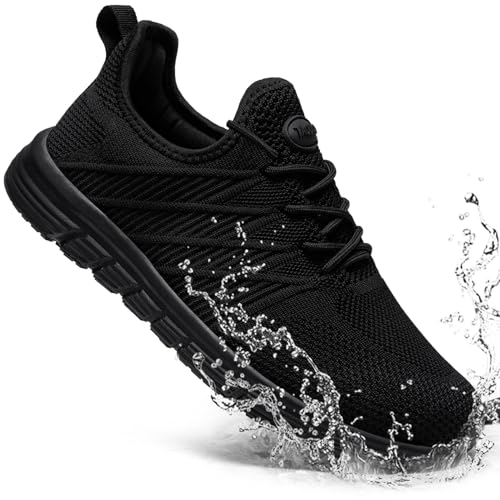
Taquco Non Slip Work Shoes for Women Slip On Sneakers, Black,7
Check price on Amazon
Taquco Non Slip Shoes for Men Waterproof Chef Work Sneakers, Black,11
Check price on Amazon
SHULOOK Non Slip Work Boots for Women Slip-Resistant Shoes Waterproof Food Service Chef Kitchen Restaurant Working Casual Comfortable Ankle Boot Outdoor Walking Booties Sneakers Black Size 10
Check price on AmazonFinal Thoughts: Invest in Safety and Comfort
Water resistant and slip resistant shoes are more than just a purchase—they are an investment in your safety, comfort, and productivity. Whether you're on your feet all day at work or exploring the great outdoors, the right pair can make every step more confident. Use this guide to evaluate your needs, understand the technology, and choose footwear that delivers on both fronts.
Remember to consider your specific foot shape and any conditions like plantar fasciitis or flat feet. Brands now offer a wide range of options, from sneakers with arch support for flat feet to comfortable shoes for long standing work, all with water and slip-resistant features. Don't compromise—your feet will thank you.