
Shoe Stretch Spray for Non Leather Shoes
Discover how to safely stretch canvas, mesh, suede, and synthetic footwear using the right shoe stretch spray. A complete step-by-step guide to get a comfortable fit without damaging your shoes.
READ THE GUIDEQuick Answer: Shoe stretch spray works on non leather shoes, but the formula matters. Water-based sprays are ideal for canvas and mesh, while alcohol-based sprays suit suede and nubuck. Always test on a hidden area first, apply in thin layers, and wear the shoes while the material is still damp to mold them to your feet.
Why Non Leather Shoes Need a Different Approach
Non leather shoes behave very differently from leather when it comes to stretching. Leather is a natural material with fibers that relax and mold over time. Canvas, mesh, suede, and synthetic materials are engineered fabrics. Some respond well to moisture and heat, while others can shrink, warp, or discolor if you use the wrong product or technique.
That is why a shoe stretch spray for non leather shoes must be chosen carefully. A spray designed for leather may contain oils or solvents that break down the adhesives and coatings used in sneakers, canvas slip-ons, or mesh running shoes. The good news is that the right spray, combined with proper technique, can turn a tight pair into an everyday favorite.
If you are dealing with tightness around the toes or instep, you may also benefit from learning about sneakers with arch support and cushioning, which often combine a more forgiving upper with supportive insoles. For those who prefer a more structured fit, comfortable business casual walking shoes can be a better starting point than trying to stretch a rigid pair.
Shoe Stretch Spray Compatibility by Material
Not every non leather material reacts the same way to stretching. Use this table to understand what works, what needs caution, and what to avoid.
| Material | Spray Type | Stretchability | Key Cautions |
|---|---|---|---|
| Canvas | Water-based | High | Can shrink if overheated; avoid soaking the sole |
| Mesh | Water-based | Moderate | Alcohol can weaken synthetic fibers; test first |
| Suede / Nubuck | Alcohol-based or suede-specific | Moderate | May darken or mat the nap; use a suede brush after |
| Synthetic Leather (PU) | Water-based | Low to Moderate | Over-stretching can crack the coating |
| Knit / Flyknit | Water-based | High | Usually stretches naturally; spray may be unnecessary |
| Rubber / Neoprene | Not recommended | Very Low | Sprays do not penetrate; consider a different size |
Material-by-Material Breakdown
Canvas Shoes
Canvas is one of the most forgiving non leather materials. A water-based shoe stretch spray softens the cotton fibers, allowing them to expand around pressure points. Apply a light mist inside and outside the tight area, then wear the shoes with thick socks for 30 minutes. Canvas can also be stretched with a shoe stretcher for more precise widening. Avoid using hot water or a hair dryer, as canvas can shrink dramatically when overheated.
Mesh Sneakers
Mesh uppers are designed for breathability, not for heavy stretching. A water-based spray can help relax the synthetic fibers just enough to relieve pressure around the toes or midfoot. Use very light layers and never saturate the mesh. If you need more room in a mesh running shoe, consider good running shoes for plantar fasciitis that already offer a wider toe box and better support.
Suede and Nubuck
Suede requires a gentler approach. Alcohol-based sprays evaporate quickly and are less likely to leave water stains, but they can still darken the nap. Apply a suede-specific stretch spray sparingly, then use a shoe stretcher rather than wearing the shoes immediately. After stretching, brush the suede with a soft brush to restore the texture. For everyday comfort, comfortable shoes that go with everything often include suede options that are already broken in.
Synthetic Leather (PU and Vinyl)
Synthetic leather has a plastic coating that does not stretch like real leather. A water-based spray can soften the backing slightly, but over-stretching can cause the coating to crack or peel. Use the spray only on the interior lining, and rely more on a mechanical shoe stretcher for gradual widening. If the shoes are too tight in the toe box, a better solution may be women's casual sneakers with arch support designed with a roomier fit.
Knit and Flyknit Uppers
Knit shoes are naturally elastic and often stretch on their own after a few wears. A water-based spray can accelerate the process, but it is rarely necessary. If you do use a spray, apply it lightly and wear the shoes immediately so the knit molds to your foot shape. For people who stand all day, supportive sneakers for standing all day often use knit uppers with reinforced midsoles for the best combination of flexibility and support.
Rubber, Neoprene, and EVA Foam
These materials do not absorb stretch sprays. Applying a spray to rubber or foam is ineffective and may leave a residue. If a water shoe or rubber clog is too tight, choose a different size or look for water shoes that keep sand and rocks out with adjustable closures instead of trying to stretch them.
How to Use Shoe Stretch Spray on Non Leather Shoes
Follow these steps for the best results. Rushing the process or over-applying the spray can damage the material, so take your time.
Test on a Hidden Area
Before applying the spray to the whole shoe, test it on the inside tongue or a small area near the heel. Wait 15 minutes to check for discoloration, stiffening, or damage. This is especially important for suede, mesh, and synthetic leather.
Clean the Shoes First
Dirt and dust can trap the spray and create uneven results. Wipe the shoes with a damp cloth and let them dry completely. For canvas and mesh, a gentle brush works well. For suede, use a suede brush to lift the nap before spraying.
Apply the Spray Lightly
Hold the bottle 6 to 8 inches away and mist the tight areas, both inside and outside. Focus on the toe box, instep, and any pressure points. Do not soak the material. One light layer is usually enough for the first application.
Wait 10 to 15 Minutes
Let the spray absorb and soften the fibers. The material should feel slightly damp but not dripping wet. If the shoes are still dry, apply a second light layer and wait another 5 minutes.
Wear with Thick Socks
Put on a pair of thick socks and wear the shoes for 30 to 60 minutes. Walk around your home to help the material mold to your feet. For a more targeted stretch, insert a shoe stretcher while the material is still damp.
Let Them Dry Naturally
Remove the shoes and let them air dry away from direct heat or sunlight. Do not use a hair dryer or radiator, as heat can shrink canvas and warp synthetic materials. Repeat the process after 24 hours if you need more room.
Ready to Find the Perfect Fit?
If stretching is not enough, explore our recommended shoes that are designed for comfort from the first wear.
SHOP RECOMMENDED SHOESBest Shoe Stretch Sprays & Comfortable Non Leather Shoes
⚠️ AFFILIATE DISCLOSURE: This website contains affiliate links. As an affiliate Associate, we earn from qualifying purchases. If you make a purchase through these links, we may receive a small commission at no additional cost to you. Read our full affiliate policy.

FOOTMATTERS StretchAll Premium Grade Shoe Stretch - 1 bottle
Check price on Amazon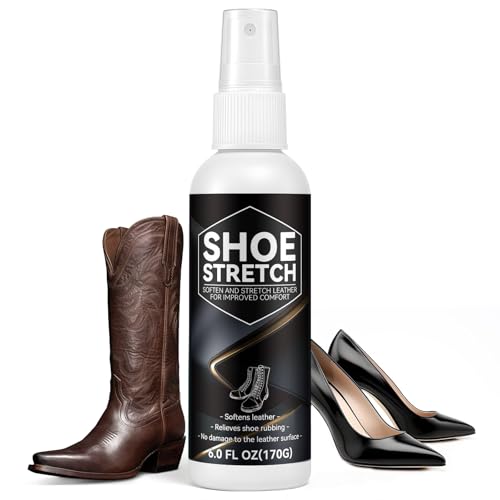
Shoe Stretch Spray, Professional Leather Softener, Used with Shoe Stretcher, Relieve Boot Pinching, for Women and Men, 6.0 FL.OZ
Check price on Amazon
FootMatters Professional Boot & Shoe Stretch Spray – Softener for Leather, Suede, Nubuck, Canvas – 4 oz
Check price on Amazon
Wqapey Shoe Stretch Spray for Tight Shoes, Shoe Softener Spray for Leather, Canvas, Synthetic & Fabric Shoes, Helps Improve Shoe Fit, Shoe Stretcher Spray for Women and Men, 6 fl oz
Check price on Amazon
JobSite Boot Stretcher Spray - Shoe Stretch Spray & Leather Softener For Cowboy Boots & Fashion Shoes - 8.5 oz
Check price on Amazon
Eagle Boot Stretcher Spray(6oz) - Leather Softener for Shoes & Boots - Shoe Stretch Spray to Relieve Tight Fitting Shoes
Check price on Amazon
Bellemora Shoe Stretch Spray, 6 FL OZ Professional Boot Stretcher Spray & Leather Softener, Shoe Stretcher Spray for Tight Shoes, Boots, Heels, Sneakers, Shoe Stretcher Wide Feet for Men & Women
Check price on Amazon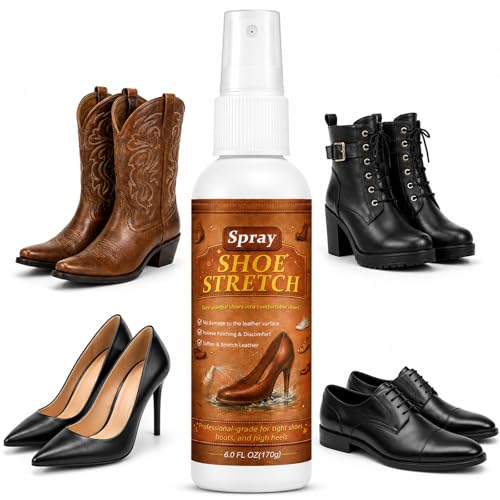
AAROVIBE Shoe Stretch Spray 6 oz Leather Softener for Men & Women
Check price on AmazonPros and Cons of Shoe Stretch Spray
Advantages
- Easy to apply at home without special tools
- Works well on canvas, mesh, and knit uppers
- Can relieve pressure points in just one session
- Affordable compared to buying a new pair
- Some formulas include conditioners that protect fibers
Limitations
- Not effective on rubber, foam, or hard plastics
- Can discolor suede or synthetic leather if over-applied
- Results are temporary for some synthetic materials
- May weaken adhesives if used too frequently
- Requires patience and multiple applications for best results
Alternatives to Shoe Stretch Spray
If you prefer not to use a spray, or if your shoes are made from a material that does not respond well to liquids, consider these alternatives.
Mechanical Shoe Stretcher
A wooden or plastic shoe stretcher applies gradual, even pressure to widen the shoe. This is the safest option for synthetic leather and suede. Leave the stretcher in the shoe for 24 to 48 hours, tightening it every few hours.
Thick Socks and Heat
Wear thick socks with the shoes and use a hair dryer on a low setting, holding it 12 inches away. The gentle heat helps the material relax. This method works well for canvas and knit shoes. Do not use this method on suede or synthetic leather.
Ice Method
Fill sealed plastic bags with water and place them inside the shoes. Put the shoes in the freezer overnight. As the water freezes, it expands and gently stretches the material. This works best for canvas and mesh. Let the bags thaw before removing them.
If none of these methods work, the shoes may simply be the wrong size or shape for your feet. In that case, it is worth exploring footwear designed for specific comfort needs, such as comfortable shoes for long standing work or comfortable shoes for healthcare workers, which often have wider toe boxes and more forgiving uppers.
Frequently Asked Questions
Yes, shoe stretch spray can be used on non leather shoes, but you need to choose the right formula. Water-based sprays work best for canvas, mesh, and synthetic materials, while alcohol-based sprays are better for suede and nubuck. Always test on a small hidden area first to check for discoloration or damage.
Most shoe stretch sprays need 10 to 15 minutes to soften the material before you wear the shoes. For best results, wear them for 30 to 60 minutes while the material is still slightly damp. Full stretching may require 2 to 3 applications over several days, especially for synthetic materials that resist stretching.
When used correctly, shoe stretch spray will not damage canvas or mesh shoes. However, over-saturating the material or using alcohol-based sprays on synthetic mesh can cause discoloration or weakening of fibers. Always follow the product instructions and test on a hidden area first.
The best shoe stretch spray for sneakers is a water-based formula that is safe for fabric, mesh, and synthetic leather. Look for products that contain conditioners to keep materials supple and avoid sprays with harsh solvents that can break down adhesives. Always check the label to confirm compatibility with your shoe material.
Yes, but you must use a spray specifically designed for suede and nubuck. These formulas are gentler and less likely to stain or mat the nap. Apply lightly and use a suede brush to restore the texture after stretching. Avoid water-based sprays on suede, as they can leave watermarks.
You can stretch the same pair multiple times, but each application should be spaced at least 24 hours apart. Over-stretching can weaken the material and cause permanent deformation. If the shoes still do not fit after 3 to 4 applications, they are likely the wrong size and should be replaced.
Final Thoughts
A shoe stretch spray for non leather shoes is a practical solution for minor fit issues, but it is not a magic fix for every material. Canvas, mesh, and knit uppers respond well to water-based sprays and gentle stretching. Suede needs a specialized formula and a careful touch. Synthetic leather and rubber are much harder to stretch and may require a different approach entirely.
If you have tried stretching and your shoes still do not feel right, it may be time to look for a pair that fits better from the start. Explore our guides to comfortable shoes to work in a warehouse or good shoes for being on concrete all day for footwear that prioritizes comfort and support without the need for stretching.