
Most Durable Running Shoes for Men: The Complete Longevity Guide
Stop replacing your running shoes every few months. Learn which materials, construction methods, and design features make a running shoe last for hundreds of miles—and discover the models that deliver real value per mile.
See Top PicksWhy Durability Matters: A durable running shoe isn't just about saving money—it's about consistent performance, injury prevention, and reducing waste. The right pair can handle 500+ miles of training without losing its cushioning or structural integrity. This guide breaks down exactly what to look for.
Why Most Running Shoes Wear Out Too Fast
If you're a regular runner, you've likely experienced the frustration of a shoe that feels great in the store but breaks down after just a few months. The average running shoe lasts between 300 and 500 miles—but many fall apart sooner. The culprit is usually a combination of cheap outsole rubber, low-density midsole foam, and lightweight construction that sacrifices longevity for weight savings.
For men who run high weekly mileage, train on mixed surfaces, or simply want a shoe that lasts more than one season, understanding durability is essential. The most durable running shoes for men share specific characteristics: abrasion-resistant outsole compounds, high-density or compression-molded midsoles, reinforced heel counters, and robust upper materials that resist tearing and stretching.
But durability doesn't mean you have to sacrifice comfort. Modern engineering allows for shoes that are both resilient and responsive. If you're also concerned about foot health, you might want to explore sneakers with arch support for flat feet to ensure your durable pick also supports your biomechanics.
What Actually Makes a Running Shoe Durable
1. Outsole Rubber: The First Line of Defense
The outsole is the part of the shoe that touches the ground, and it's the first thing to wear out. Durable running shoes use carbon rubber in high-wear areas (heel and forefoot) rather than blown rubber, which is lighter but wears faster. Look for brands that specify "abrasion-resistant" or "high-density" rubber in the heel crash pad and forefoot strike zones.
If you run on concrete or asphalt, outsole durability is non-negotiable. For those who also walk extensively, you may want to check shoes for being on concrete all day for additional insights on hard-surface wear.
2. Midsole Foam: Where Cushioning Meets Longevity
Midsole foam is the heart of a running shoe. EVA (ethylene-vinyl acetate) is the most common foam, but it compresses and loses bounce over time. More durable options include compression-molded EVA (which is denser and retains shape longer), TPU (thermoplastic polyurethane) blends, and newer supercritical foams that offer high energy return with better longevity.
For runners who need extra support, combining a durable midsole with a over-the-counter orthotic for pronation can extend the shoe's useful life while correcting gait issues.
3. Upper Construction: Resisting Stretch and Tears
The upper holds your foot in place. Durable running shoes use engineered mesh with reinforced overlays, TPU cages, or synthetic leather in high-stress areas. Avoid ultra-thin knit uppers if durability is your priority—they're comfortable but prone to stretching and tearing at the toe box and heel collar.
4. Heel Counter and Stability Features
A firm heel counter prevents premature breakdown of the shoe's structure. Look for shoes with external heel counters or molded plastic clips. Stability shoes often have medial posts or guide rails that add structural integrity, which can translate to a longer lifespan. If you have flat feet, a stability shoe with a durable build is a smart choice—see our guide to cross training shoes for flat feet for related options.
How to Evaluate Durability Before You Buy
You can't run 500 miles in a store, but you can inspect key indicators:
- Outsole thickness: Thicker rubber in the heel and forefoot means more miles. Avoid racing flats if durability is your goal.
- Midsole density: Press your thumb into the midsole. If it compresses easily and doesn't spring back, it will break down quickly.
- Weight: Ultra-light shoes (under 8 oz) often sacrifice durability. A 9–11 oz trainer typically lasts longer.
- Heel counter rigidity: Squeeze the heel. It should feel firm, not collapsible.
- Warranty and mileage claims: Some brands offer outsole warranties or advertise 500+ mile durability. These are good signals.
Top Durable Running Shoes for Men
⚠️ AFFILIATE DISCLOSURE: This website contains affiliate links. As an affiliate Associate, we earn from qualifying purchases. If you make a purchase through these links, we may receive a small commission at no additional cost to you. Read our full affiliate policy.

Brooks Men’s Revel 8 Neutral Running & Walking Shoe - Primer Grey/Blackened Pearl - 10.5 Medium
Check price on Amazon
New Balance Men's 410 V9 Trail Running Shoe, Castlerock/Black, 10
Check price on Amazon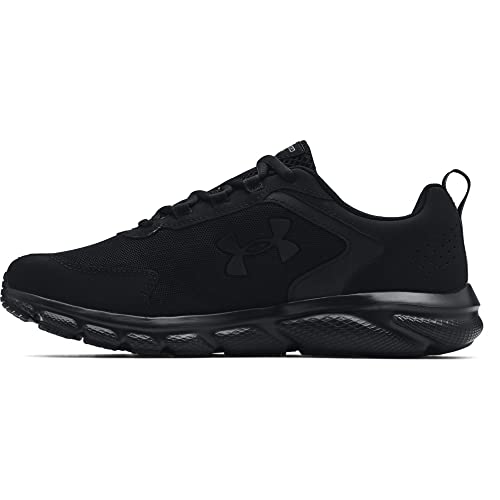
Under Armour Mens Charged Assert 9DISC Running Shoe, Black (002 Black, 11 US
Check price on Amazon
Brooks Men’s Adrenaline GTS 25 Supportive Running & Walking Shoe - Primer Grey/Ebony/Jasmin - 11 Medium
Check price on Amazon
Air Mesh Men's Running Shoes Lightweight Sneakers Black/White, 10.5 US | Breathable and Comfortable Walking Shoes with Ultra Soft Cushioned Insole Multi Surface Traction
Check price on Amazon
ASICS Men's Gel-Venture 11 Running Shoes, 10.5, Black/Light DUST
Check price on Amazon
Nike Men's Revolution 8 Road Running Shoes, Black/Anthracite, 10
Check price on Amazon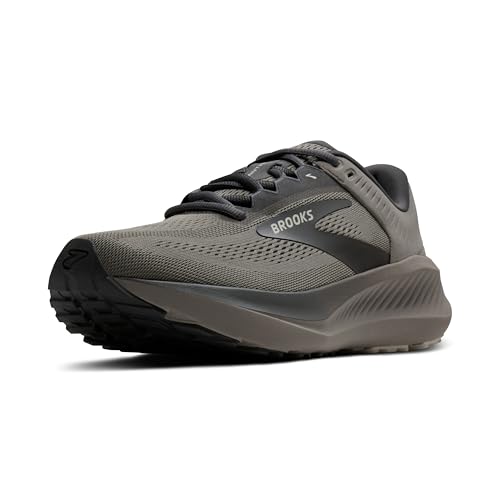
Brooks Men’s Anthem 8 Neutral Running Shoe - Rock Ridge/Grey/Coconut - 11 Medium
Check price on AmazonHow to Make Your Running Shoes Last Longer
Even the most durable running shoes for men benefit from proper care. Rotating between two pairs extends the life of both, as the midsole foam has time to decompress between runs. Avoid leaving shoes in a hot car—heat degrades foam and adhesives. Clean mud and dirt from the outsole to maintain traction and prevent premature wear.
If you also use your running shoes for walking or standing, consider whether a dedicated pair might be better. Our guide to shoes for long periods of standing can help you separate your running rotation from your work footwear.
Finally, pay attention to wear patterns. If you're wearing through the outsole unevenly, you may have a gait issue that's accelerating breakdown. Addressing that with the right footwear—like running shoes with a natural toe box—can improve both comfort and longevity.
When to Replace Your Running Shoes
Even durable shoes have a limit. Replace your running shoes when:
- The outsole tread is worn smooth in high-wear areas.
- The midsole feels flat or "dead" (no bounce).
- You notice new aches or pains in your feet, knees, or hips after runs.
- The upper has tears or the heel collar has collapsed.
- You've logged 400–500 miles, even if they look fine.
If you're experiencing foot pain, it may be time to look at shoes designed for specific conditions. For example, good workout shoes for plantar fasciitis can offer the support you need while you recover.
The Bottom Line
The most durable running shoes for men combine abrasion-resistant outsoles, high-density midsoles, and reinforced uppers. They may weigh slightly more than racing shoes, but they deliver hundreds of extra miles of reliable performance. When you shop, prioritize construction over hype, and consider how your running surface and gait affect wear.
Whether you're training for a marathon or just want a shoe that survives your daily routine, investing in durability pays off—in comfort, performance, and your wallet.