
Pickleball Shoes: The Complete Buying Guide
Master the court with footwear engineered for grip, lateral stability, and all-day comfort. Learn how to choose the perfect pair for your playing style and court surface.
SHOP TOP PICKSWhy Pickleball Shoes Matter: Pickleball demands explosive lateral movements, quick stops, and constant direction changes. Regular running shoes lack the side-to-side support and court-specific grip needed to prevent injury and maximize performance. Investing in proper pickleball shoes protects your joints and elevates your game.
What Makes Pickleball Shoes Different?
Pickleball is one of the fastest-growing sports in the world, combining elements of tennis, badminton, and ping-pong. The unique demands of the game — short bursts of sprinting, lateral shuffling, and frequent pivoting — require footwear that differs significantly from running shoes or tennis shoes. Pickleball shoes are engineered with reinforced lateral support, non-marking gum rubber outsoles, and cushioned midsoles that absorb impact without sacrificing court feel.
Whether you're a beginner or a seasoned tournament player, choosing the right pickleball shoes can dramatically affect your footwork, endurance, and injury risk. This guide walks you through every critical factor — from outsole compounds to fit and breathability — so you can step onto the court with total confidence.
Best Pickleball Shoes for Court Performance
⚠️ AFFILIATE DISCLOSURE: This website contains affiliate links. As an affiliate Associate, we earn from qualifying purchases. If you make a purchase through these links, we may receive a small commission at no additional cost to you. Read our full affiliate policy.

Vans Men's Brooklyn LS Shoe, Suede/Canvas Black/White, 10.5
Check price on Amazon
UGG Tasman II Women's Slipper, 8 B(M) US, Chestnut
Check price on Amazon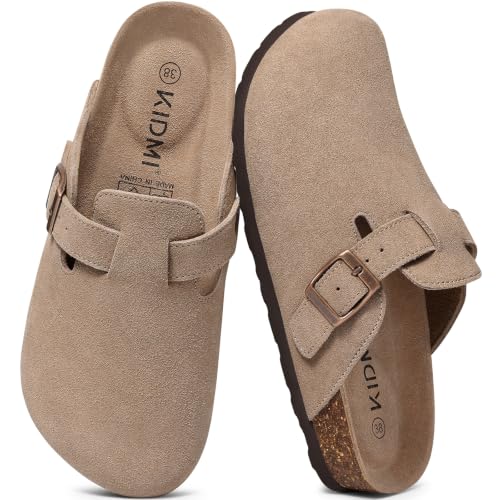
KIDMI Genuine Suede Clogs for Women Men Cork Footbed Mules Potato Shoes | Arch Support, Comfortable, Leather Slip On, Fall, Casual, Indoor Outdoor, Non-slip Rubber Sole, Adjustable Metal Buckle
Check price on Amazon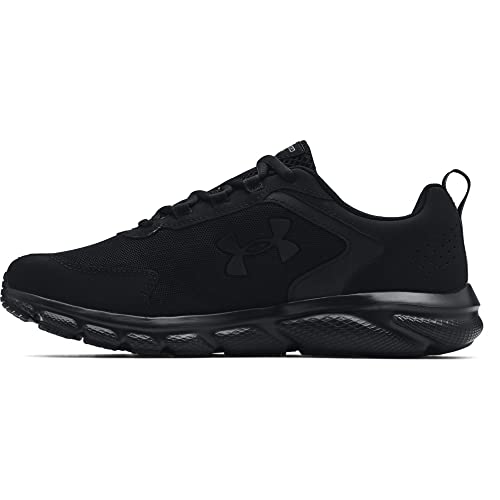
Under Armour Men's Charged Assert 9DISC, Black (003)/Black, 10.5 M US
Check price on Amazon
adidas Men's Daily 4.0, Olive Strata/Shadow Olive/Gum, 10.5 | Casual Shoes, Skateboarding Shoes, Low-Cut, Regular Fit, Lace-Up, For Skateboarding and Everyday Wear
Check price on Amazon
ODOLY Genuine Suede Clogs for Women Men Comfort Cork Footbed Potato Shoes | Unisex Lightweight Slip-On Leather Mules with Arch Support, Adjustable Buckle, Indoor Outdoor Footwear Taupe39
Check price on Amazon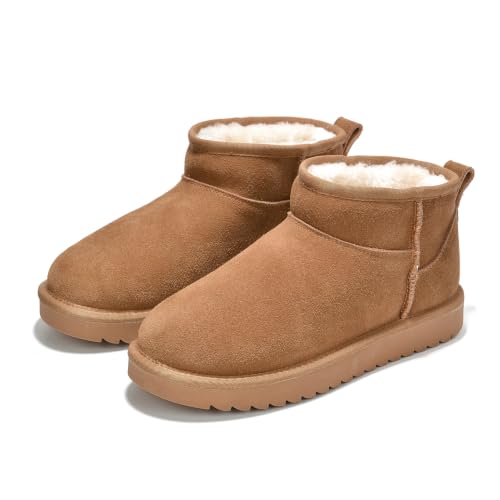
PROJECT CLOUD 100% Genuine Leather Womens Boots Ankle Boots for Women Shoes | Water Resistant Memory Foam Insole Winter Shoes - Trendy Footwear Outdoor Fall Shoes for Women - Winter Booties for Women
Check price on AmazonKey Features to Look For in Pickleball Shoes
🦶 Court-Specific Grip
The outsole is the most critical component. Look for non-marking gum rubber with a herringbone or modified tread pattern. This provides traction on indoor and outdoor courts without leaving scuff marks. Worn-out soles are a leading cause of slips — replace shoes every 3–6 months of regular play.
↔️ Lateral Stability
Pickleball involves constant side-to-side movement. Shoes with reinforced side panels, stable heel counters, and wider bases prevent ankle rolls. Stability is more important than pure cushioning for injury prevention on the court.
🛡️ Impact Cushioning
Concrete and hard courts are unforgiving. A responsive midsole — often EVA foam or gel inserts — absorbs shock during quick stops and jumps. Too much cushioning can feel unstable; look for a balance of comfort and court feel.
💨 Breathability
Pickleball is played in all seasons, often outdoors. Mesh uppers allow airflow to keep feet dry and cool. Breathable materials also reduce the risk of blisters and fungal issues during long tournament days.
⚖️ Lightweight Construction
Quick footwork demands light footwear. Modern pickleball shoes weigh between 10–13 oz, using synthetic meshes and minimal overlays. Heavier shoes offer more durability but can slow your reaction time.
🔒 Secure Fit
A snug midfoot and heel lock prevent sliding inside the shoe during aggressive play. Look for adjustable lacing systems, padded collars, and roomy toe boxes that accommodate foot swelling during long matches.
Matching Shoes to Your Court Surface
Not all pickleball courts are created equal. The surface you play on determines the ideal outsole compound and tread pattern. Using the wrong shoe on the wrong surface accelerates wear and increases slip risk.
| Court Surface | Recommended Outsole | Tread Pattern | Key Consideration |
|---|---|---|---|
| Indoor Hardwood | Non-marking gum rubber | Herringbone or pivot point | Must not leave scuff marks; prioritize grip over durability |
| Outdoor Concrete | Durable rubber compound | Modified herringbone with deeper grooves | Higher abrasion resistance needed; expect faster wear |
| Acrylic Hard Court | Non-marking gum rubber | Herringbone or modified tread | Standard for most outdoor pickleball; versatile choice |
| Clay or Synthetic | Full herringbone rubber | Deep, open tread for debris release | Rare for pickleball but requires self-cleaning tread |
Dedicated Pickleball Shoes vs. Alternatives
✓ Dedicated Pickleball Shoes
- Engineered lateral support for side-to-side movement
- Non-marking gum rubber outsoles for indoor courts
- Reinforced toe caps for drag protection
- Optimal balance of cushioning and court feel
- Breathable uppers designed for multi-hour play
- Specific tread patterns for pickleball court grip
✗ Using Running or Tennis Shoes
- Running shoes lack lateral stability — high ankle roll risk
- Tennis shoes are heavier and designed for different movement patterns
- Running shoe treads wear out quickly on abrasive courts
- Insufficient toe drag protection
- Poor grip on indoor surfaces can lead to slips
- Compromised performance and increased injury risk
How to Get the Right Fit
Proper fit is non-negotiable for pickleball performance. A shoe that's too tight causes blisters and restricts circulation; too loose leads to sliding, instability, and ankle injuries. Follow these guidelines to find your ideal fit:
- Measure at the end of the day when your feet are at their largest. Foot swelling is common during physical activity.
- Leave a thumb's width (about 1/2 inch) between your longest toe and the front of the shoe.
- Test lateral movement — shuffle side to side in the store. Your foot should not slide over the footbed.
- Check the heel lock — your heel should stay firmly in place without slipping when you walk.
- Consider your socks — wear the same thickness you'll use on the court when trying on shoes.
- Wide feet? Look for shoes with wider toe boxes or specifically designed wide-width options to prevent pinching.
Break-In Period: Most quality pickleball shoes require 3–5 sessions to fully break in. Start with shorter practice sessions before wearing them in competitive matches. If pain persists beyond a week, the fit may be wrong — consider exchanging for a different size or model.
Durability & When to Replace
Pickleball shoes take a beating. The constant stopping, starting, and pivoting wears down outsoles and compresses midsoles faster than almost any other athletic footwear. Here's what to watch for:
- Outsole wear: When the tread pattern is smoothed down or you can see the midsole through the rubber, it's time to replace.
- Midsole compression: If the shoe feels "dead" or flat with no bounce, the cushioning has broken down.
- Upper tears: Holes in the toe box or side panels indicate structural failure.
- Frequency: Regular players (3+ times per week) should expect to replace shoes every 3–6 months. Casual players may get 6–12 months.
How Much Should You Expect to Pay?
Pickleball shoes span a wide price range depending on materials, brand, and technology. Here's a realistic breakdown of what you'll pay:
Budget: $60–$90
Entry-level options from brands like FitVille and ASICS. Decent grip and basic cushioning. Best for beginners or occasional players. Expect to replace more frequently.
Mid-Range: $90–$130
The sweet spot for most players. Brands like K-Swiss, New Balance, and Skechers offer excellent stability, durability, and comfort at this price. Best value overall.
Premium: $130–$180+
Top-tier models from Nike, Adidas, and specialty court brands. Advanced cushioning systems, premium materials, and pro-level performance. Ideal for tournament players.
Ready to Step Up Your Pickleball Game?
Browse our curated selection of top-rated pickleball shoes — tested for grip, stability, and comfort on the court.
VIEW TOP RECOMMENDATIONSFrequently Asked Questions
Final Thoughts
Choosing the right pickleball shoes is one of the smartest investments you can make for your game. The right pair provides the grip, stability, and comfort you need to play confidently — reducing injury risk and helping you perform at your best. Whether you're just starting out or competing in tournaments, prioritize fit, court-specific traction, and lateral support over brand names or flashy designs.
Ready to find your perfect pair? Browse our recommended pickleball shoes above, and explore our other guides on comfortable shoes and sports shoes to complete your athletic footwear collection.