
Tennis Shoes with Good Arch Support
Find the perfect court shoes that combine stability, cushioning, and proper arch support for pain-free performance. Your complete guide to choosing tennis footwear that protects your feet.
View Top PicksWhy Arch Support Matters on the Court: Tennis demands constant lateral movement, sprinting, and sudden stops. Without proper arch support, you risk plantar fasciitis, ankle instability, and chronic foot pain. The right tennis shoes with good arch support can dramatically improve your game and protect your feet.
Why Arch Support Matters in Tennis Shoes
Tennis is one of the most demanding sports on your feet. The average player changes direction every 2–3 seconds, generating forces up to 3–4 times their body weight with each stride. Without adequate arch support, your feet absorb this impact inefficiently, leading to a cascade of problems that can sideline your game.
Arch support in tennis shoes serves three critical functions: shock absorption, stability during lateral movement, and proper foot alignment. When your arch is supported correctly, your foot maintains a neutral position, allowing your ankles, knees, and hips to move through their natural ranges of motion without compensation.
Players with flat feet or high arches are particularly vulnerable. Those with flat feet tend to overpronate (roll inward), while those with high arches often underpronate (roll outward), both of which can cause pain and injury. If you already experience foot discomfort, exploring stylish shoes with good arch support can help you understand how support features translate across different footwear categories.
Many people wonder which shoes do podiatrists recommend for tennis. The answer consistently points to shoes with firm heel counters, medial posting, and removable insoles that accommodate custom orthotics. These features are non-negotiable for players who spend hours on the court each week.
Key Features to Look For
Medial Posting
A firmer section on the inner side of the midsole that prevents overpronation. Essential for flat-footed players.
Firm Heel Counter
A rigid structure around the heel that locks your foot in place and prevents excessive motion during quick stops.
Contoured Insole
A removable insole with arch contouring that can be replaced with custom orthotics if needed.
Midsole Density
Dual-density foam that's softer on the outside and firmer on the inside for balanced support.
Secure Midfoot Wrap
A snug fit around the midfoot that keeps your arch aligned with the shoe's support structure.
Outsole Stability
A wide, stable base with a pivot point for smooth rotation during serves and volleys.
Top Tennis Shoes with Arch Support
Best Tennis Shoes with Arch Support
⚠️ AFFILIATE DISCLOSURE: This website contains affiliate links. As an affiliate Associate, we earn from qualifying purchases. If you make a purchase through these links, we may receive a small commission at no additional cost to you. Read our full affiliate policy.

Skechers Women's Max Cushioning Endeavour Canova Sneaker, Blue/Orange, 6
Check price on Amazon
Men's Orthopedic Tennis Sneakers: Arch Support Arthritis Plantar Fasciitis Athletic Hammer Toes High Instep Walking Shoes, Gym Workout Shopping Camping Trail Sneakers Black Size 10
Check price on Amazon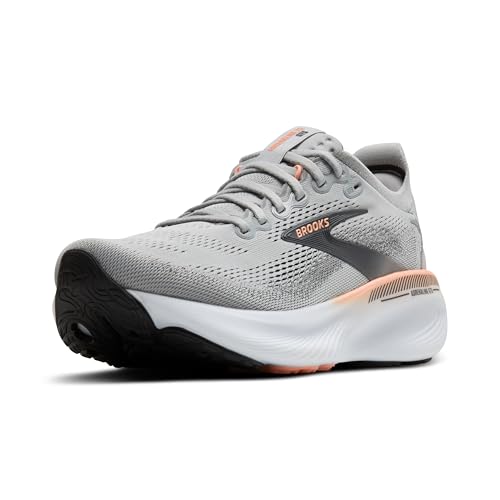
Brooks Women’s Adrenaline GTS 25 Supportive Running & Walking Shoe - Grey/Blackened Pearl/Coral - 9 Medium
Check price on Amazon
New Balance Women's Fresh Foam Arishi V4 Running Shoe, Black/Light Gold Metallic/Gum 2, 10.5 Wide
Check price on Amazon
Hitmars Womens Sneakers Walking Shoes Lightweight Breathable Air Cushion Tennis Shoes Gym & Running Shoes with Arch Support for Workout, Travel & Outdoor Casual Orange US 8
Check price on Amazon
Ryka Women's Devotion Plus 3 Walking Shoes Navy 8 M
Check price on Amazon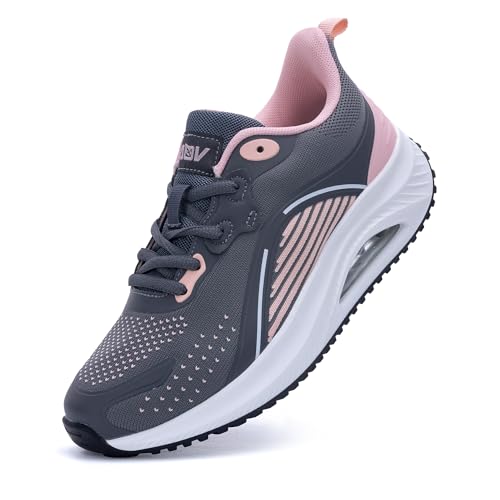
GyeBea Womens Walking Shoes Arch Support Plantar Fasciitis Tennis Sneakers | Built-In Arch Support for Pain Relief, Shock-Absorbing Non-Slip Orthotic Sole for Fatigue Reduction and All-Day Comfort
Check price on Amazon
Skechers Street Womens,Arch FIT Arcade-See YA There,WHT,9 M US
Check price on AmazonArch Support Technology Comparison
| Support Type | Best For | How It Works | Price Range |
|---|---|---|---|
| Medial Posting | Flat feet, overpronation | Firmer foam on inner midsole controls inward roll | $90–$160 |
| Contoured Insole | Mild arch issues, all foot types | Pre-shaped footbed matches natural arch curve | $70–$130 |
| Dual-Density Midsole | Moderate overpronation | Two foam densities balance cushioning and stability | $110–$180 |
| Custom Orthotic Compatible | Severe arch issues, prescribed insoles | Removable insole allows custom orthotic insertion | $100–$200 |
| Motion Control | Severe overpronation, heavier players | Maximum stability with firm posting and wide base | $130–$220 |
Pros and Cons of Arch Support Tennis Shoes
Advantages
- Reduces risk of plantar fasciitis and heel pain
- Improves stability during lateral court movement
- Enhances comfort during long matches
- Prevents ankle rolls and sprains
- Accommodates custom orthotics for severe issues
- Extends the life of your shoes through proper alignment
Considerations
- May feel firmer than neutral shoes initially
- Slightly heavier than minimalist court shoes
- Can be more expensive than basic tennis shoes
- Requires proper break-in period
- Not ideal for players with neutral arches seeking pure speed
How to Choose the Right Pair
1. Identify Your Arch Type
Before shopping, determine whether you have flat feet, neutral arches, or high arches. The simple "wet test" — wetting your feet and stepping on a piece of cardboard — reveals your arch imprint. Flat feet need motion control or stability shoes, while high arches benefit from cushioned shoes with good arch contouring.
2. Consider Your Playing Style
Baseliners who slide and grind need maximum durability and stability. Serve-and-volley players need lighter shoes with quick lateral support. If you play on hard courts, prioritize cushioning; on clay, focus on outsole grip and flexibility.
3. Check the Insole
A removable insole is a major advantage. It allows you to replace the stock insole with a custom orthotic or a higher-quality aftermarket insole. If you already use orthotics, look for shoes specifically designed to accommodate them. If you have specific foot conditions, you may also want to explore shoes to wear for plantar fasciitis for additional guidance.
4. Test the Flex Point
The shoe should flex at the ball of your foot, not at the arch. If it bends in the middle, the arch support is compromised. A proper tennis shoe with good arch support will feel rigid through the midfoot and flexible at the toes.
5. Prioritize Fit Over Brand
Every brand fits differently. Some run narrow, others wide. Always try shoes with the socks you'll wear on court, and shop at the end of the day when your feet are slightly swollen. If you have wide feet, you may also benefit from women's wide width black tennis shoes that offer extra room without sacrificing support.
Who Benefits Most from Arch Support Tennis Shoes
- Players with flat feet or fallen arches — need motion control or stability shoes to prevent overpronation
- Players with high arches — need cushioned shoes with contoured insoles to absorb shock
- Players over 40 — natural arch support diminishes with age, making supportive shoes essential
- Players with plantar fasciitis history — require firm arch support and heel cushioning to prevent recurrence
- Heavier players — generate more force with each step and need maximum stability
- Players who play 3+ times per week — cumulative impact demands superior support
- Anyone recovering from foot or ankle injury — proper support prevents re-injury during return to play
If you also enjoy other sports, you might find that support needs carry over. For example, volleyball shoes with ankle support share many design principles with tennis shoes, since both sports demand lateral stability and arch support. Similarly, basketball shoes with ankle support offer comparable features for court-based sports.
Caring for Your Tennis Shoes
Proper care extends the life of your arch support features and keeps your shoes performing at their best:
- Air dry after every match — moisture breaks down midsole foam and insole contouring
- Rotate between two pairs — gives each pair 24 hours to decompress and dry
- Replace insoles every 3–4 months — stock insoles flatten long before the shoe wears out
- Clean outsoles regularly — debris on the outsole reduces traction and stability
- Store at room temperature — extreme heat or cold degrades foam and support structures
- Check heel counter integrity — a broken-down heel counter eliminates rearfoot stability
For players who also enjoy casual footwear, the principles of arch support care apply across categories. Whether you're maintaining comfortable walking shoes for women or good sneakers for plantar fasciitis, the same attention to insole replacement and proper drying applies.
Frequently Asked Questions
Can I add arch support to tennis shoes that don't have it?
Yes, but with limitations. You can insert aftermarket insoles or orthotics into most tennis shoes, provided the shoe has a removable insole and enough depth. However, shoes without built-in medial posting won't provide the same level of motion control as purpose-built stability shoes. If you need significant support, start with shoes designed for it rather than trying to retrofit.
How do I know if my tennis shoes have enough arch support?
Stand in the shoes and press your thumb into the arch area of the insole. You should feel firm resistance, not softness. Next, try to twist the shoe — it should resist twisting through the midfoot. Finally, check that your arch feels "held" rather than "floating." If your arch feels unsupported or you can easily twist the shoe, the support is inadequate.
Are expensive tennis shoes always better for arch support?
Not necessarily. Price often reflects brand prestige and cosmetic design rather than support quality. Many mid-range shoes ($90–$140) offer excellent arch support features. Focus on the specific technologies — medial posting, firm heel counters, contoured insoles — rather than the price tag. That said, extremely cheap tennis shoes (under $50) almost never include proper support structures.
How often should I replace tennis shoes with arch support?
For regular players (3+ times per week), replace every 3–4 months or 40–60 hours of play. Casual players (1–2 times per week) can stretch to 6 months. The midsole foam loses its support properties before the outsole wears through, so don't rely on visible wear as your only indicator. If you start feeling arch pain or instability, it's time for new shoes.
Can tennis shoes with arch support help with plantar fasciitis?
Yes. Proper arch support is one of the most effective non-medical interventions for plantar fasciitis. The support reduces strain on the plantar fascia ligament by preventing excessive arch flattening during weight-bearing. Many players find that switching to supportive tennis shoes significantly reduces morning heel pain. For more options, see our guide to shoes to wear for plantar fasciitis.
Should I wear orthotics in my tennis shoes?
If you have prescribed orthotics, yes — most quality tennis shoes accommodate them. Look for shoes with removable insoles and adequate depth. If your orthotics are bulky, consider shoes specifically designed as "orthotic friendly." If you don't have prescribed orthotics but need extra support, try over-the-counter insoles with arch contouring before investing in custom ones.
Ready to Find Your Perfect Pair?
Browse our curated selection of tennis shoes with excellent arch support, tested and recommended for players of all levels.
Shop Top PicksFinal Thoughts
Choosing tennis shoes with good arch support is one of the most important equipment decisions you'll make as a player. The right pair protects your feet, improves your stability on court, and lets you play longer without pain. Whether you have flat feet, high arches, or simply want to prevent future problems, investing in proper arch support now will pay dividends for years to come.
Remember to consider your playing style, court surface, and foot type when making your selection. Don't hesitate to try multiple pairs and walk around in them before committing. Your feet will thank you.
If you're also looking for supportive footwear off the court, explore our related guides on stylish shoes with good arch support and comfortable shoes for wide flat feet to ensure every step you take is properly supported.