Waterproof Hiking Boots
Designed for rugged terrain, these boots offer ankle support, aggressive traction, and robust waterproof protection. They are essential for anyone who loves the outdoors.

Don't let rain, puddles, or snow ruin your day. Our comprehensive guide will help you understand waterproof technology, choose the right materials, and find the perfect pair of waterproof shoes or boots for any adventure.
Explore Top PicksThe ShoesTruth Promise: We believe that wet feet should never be an option. We've researched the science behind waterproofing, tested the leading technologies, and compiled our findings to help you make a confident, informed purchase.
There's nothing quite as uncomfortable as soggy socks and cold, wet feet. It ruins hikes, makes commutes miserable, and can even lead to health issues like blisters or fungal infections. Waterproof footwear is not just a luxury; it's a practical investment in comfort and protection. Whether you're navigating city puddles, hiking a muddy trail, or shoveling snow, the right pair of waterproof footwear can make all the difference. These specialized shoes and boots are engineered to keep moisture out while allowing your feet to breathe, ensuring you stay dry and comfortable in the wettest conditions.
The key to effective waterproofing lies in the materials and construction. Here’s a breakdown of what you'll find in high-quality waterproof footwear:
These are the gold standard. A thin, porous membrane is laminated to the shoe's upper. The pores are too small for water droplets to pass through but large enough for water vapor (sweat) to escape. This creates a truly waterproof and breathable barrier. For active pursuits, look for shoes with brands like GORE-TEX, eVent, or proprietary membranes.
Full-grain and nubuck leathers can be treated with oils, waxes, or silicones to make them hydrophobic. This is a durable and classic option, often found in men's formal and casual shoes and hiking boots. While very water-resistant, they require regular maintenance with leather conditioners and waterproofing sprays.
Many boots and shoes use molded rubber or synthetic materials like PVC and polyurethane in areas most prone to moisture. Rubber is 100% waterproof, making it ideal for the lower part of the shoe, as seen in duck boots and rain boots. These are excellent for extremely wet conditions but may offer less breathability.
This is a treatment applied to the outer fabric of many shoes. It causes water to bead up and roll off. While not inherently waterproof (it can wear off over time), DWR is a crucial first line of defense. It's often used in conjunction with a waterproof membrane. You can refresh DWR with sprays or wash-in treatments.
⚠️ AFFILIATE DISCLOSURE: This website contains affiliate links. As an affiliate Associate, we earn from qualifying purchases. If you make a purchase through these links, we may receive a small commission at no additional cost to you. Read our full affiliate policy.


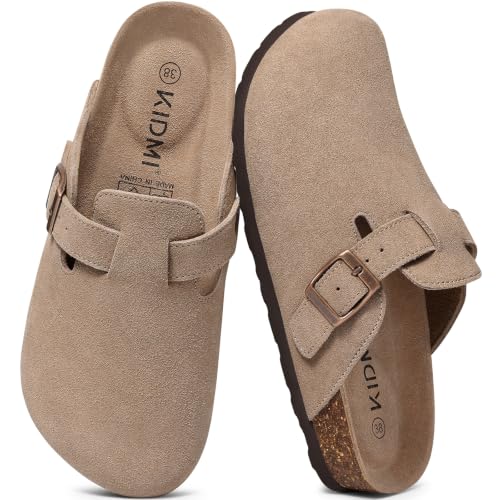
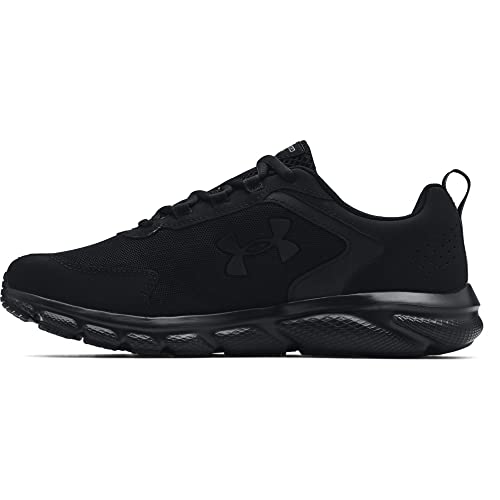
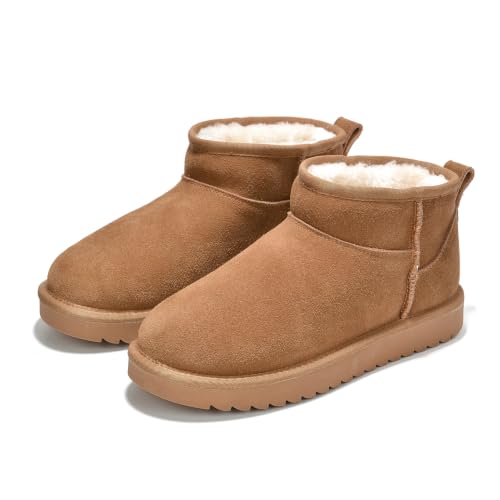
Designed for rugged terrain, these boots offer ankle support, aggressive traction, and robust waterproof protection. They are essential for anyone who loves the outdoors.
Perfect for commuting and light outdoor activities. These shoes combine the comfort of a sneaker with a waterproof membrane. They're a great choice for those who want to avoid aqua shoes but need reliable protection.
A timeless and stylish option. Brands craft these boots from treated leather, making them perfect for both urban and rural environments. They pair well with everything from jeans to chinos.
Made from rubber or PVC, these are the ultimate in waterproof protection. They are completely impermeable to water, making them ideal for heavy rain, gardening, and walking through deep puddles.
Built for tough jobs, these boots often feature steel or composite toes along with waterproof materials. They are a must-have for construction, landscaping, and other professions that require both safety and dryness.
Combining waterproofing with insulation, these boots are designed to keep your feet warm and dry in freezing, snowy conditions. Look for features like Thinsulate for added warmth.
You can make a shoe more water-resistant by applying a waterproofing spray, but you cannot make it truly waterproof. True waterproofing requires a physical barrier (like a membrane or a rubber sole) integrated into the shoe's construction.
Cheaper waterproof shoes might. However, high-quality waterproof footwear uses breathable membranes (like GORE-TEX) that allow sweat vapor to escape while keeping liquid water out. Proper socks also play a key role in moisture management.
It depends on usage. For frequently worn shoes in wet conditions, it's a good idea to re-apply a DWR spray or leather conditioner every few months or at the start of a rainy season. If water stops beading on the surface, it's time to treat them.
Absolutely. If you live in a wet climate or enjoy outdoor activities, the investment is well worth it. The comfort, protection, and durability they offer far outweigh the initial higher price compared to non-waterproof alternatives.
Final Thoughts: Choosing the right waterproof footwear is a decision that blends technology, purpose, and personal style. By understanding the materials and knowing your needs, you can invest in a pair that will keep you comfortable and dry for seasons to come. Ready to find your perfect pair? Explore our recommended products above and step confidently into any weather.
The information provided on ShoesTruth is for educational and informational purposes only. We are not professional footwear specialists or cobblers, and our content should not replace professional advice. Always consult with a qualified expert regarding fit, safety, or material-related concerns. Some content may use AI assistance. Always check product warranties and safety standards before purchasing. If you do not agree, please do not use this website. Read the full disclaimer.