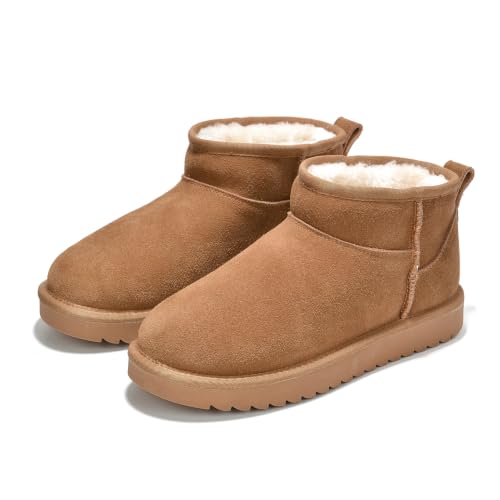
Aqua Shoes: The Complete Guide to Water Footwear
Protect your feet on the beach, in the pool, and on any water adventure. Learn how to choose the perfect pair of aqua shoes for comfort, safety, and style.
SEE TOP PICKSWhy Aqua Shoes Matter: Whether you're walking on hot sand, navigating rocky riverbeds, or stepping into a public pool, aqua shoes provide essential protection, grip, and comfort that regular footwear simply can't offer in wet environments.
What Are Aqua Shoes and Why Do You Need Them?
Aqua shoes—also known as water shoes, swim shoes, or aqua socks—are specially designed footwear that combines the protection of a shoe with the drainage and quick-drying properties of a sandal. They are engineered to be worn in and around water, offering a secure fit that stays put whether you're wading through a stream or walking along a sandy shoreline.
Unlike regular sneakers that become heavy and waterlogged, aqua shoes feature breathable mesh uppers and drainage ports that allow water to flow out almost instantly. This makes them indispensable for activities like kayaking, paddleboarding, snorkeling, and simply enjoying a day at the beach. If you're looking for footwear that handles both wet and dry conditions, aqua shoes are a smarter alternative to traditional waterproof footwear that may trap moisture inside.
The global aqua shoes market has grown significantly as more people discover the benefits of having a dedicated pair of water-ready footwear. From professional athletes to families on vacation, aqua shoes have become a staple for anyone who spends time near water. They're also a popular choice for people with foot conditions who need extra protection and support in wet environments, similar to how shoes for flat feet provide stability on land.
Key Features to Look for in Aqua Shoes
Essential Design Elements
- Quick-dry mesh upper: Allows water to drain and air to circulate, preventing odor and bacteria buildup.
- Rubber or EVA outsole: Provides traction on slippery surfaces like pool decks and wet rocks.
- Adjustable closure: Bungee laces or hook-and-loop straps ensure a secure fit that won't slip off in water.
- Drainage ports: Holes in the sole and sides let water escape quickly, keeping the shoe lightweight.
- Toe protection: A rubber toe cap shields against stubbed toes and underwater obstacles.
Comfort & Performance
- Cushioned insole: Provides arch support and shock absorption for extended wear.
- Breathable lining: Reduces moisture and keeps feet comfortable in humid conditions.
- Lightweight construction: Minimizes fatigue during water activities.
- Flexible sole: Allows natural foot movement and easy packing.
- Anti-slip grip: Essential for safety on boat decks and rocky terrain.
Pro Tip: When trying on aqua shoes, wear them with the same type of socks (or no socks) you plan to use in the water. The fit should be snug but not tight—remember that mesh uppers may stretch slightly when wet.
Types of Aqua Shoes: Which One Is Right for You?
Not all aqua shoes are created equal. The best choice depends on your primary activity, the terrain you'll encounter, and your personal comfort preferences. Here's a breakdown of the most common types:
| Type | Best For | Key Features | Price Range |
|---|---|---|---|
| Aqua Socks | Pool, beach, light walking | Minimalist, stretchy, lightweight | $15–$35 |
| Water Sneakers | Kayaking, paddleboarding, hiking near water | Rubber sole, toe cap, secure lacing | $40–$90 |
| Water Sandals | River crossing, rocky beaches | Open design, adjustable straps, heavy-duty grip | $50–$120 |
| Swim Training Shoes | Pool training, aqua fitness | Low-profile, drainage, snug fit | $30–$70 |
For casual beachgoers, a simple pair of aqua socks may be all you need. However, if you're planning more rugged water adventures, invest in water sneakers or sandals with robust outsoles. Athletes who train in water may prefer specialized swim training shoes that offer a balance of support and drainage. And if you're looking for something that transitions seamlessly from water to land, consider a hybrid design that resembles a flat sneaker but with water-friendly materials.
Materials and Construction: What Makes a Great Aqua Shoe?
The materials used in aqua shoes directly impact their performance, durability, and comfort. Understanding these materials will help you make an informed decision:
Upper Materials
- Mesh: The most common choice for aqua shoes. It's lightweight, breathable, and dries quickly. Look for fine mesh that keeps out sand while allowing water to drain.
- Neoprene: Offers insulation and a snug fit, making it ideal for cooler water temperatures. Neoprene aqua shoes are popular among divers and surfers.
- Stretch Knit: Provides a sock-like fit with excellent flexibility. These are comfortable for extended wear but may not offer as much structure as mesh.
- Synthetic Leather: Used in higher-end water sneakers for durability and a more polished look. It's water-resistant but not as breathable as mesh.
Sole Materials
- Rubber: The gold standard for traction. Rubber outsoles provide excellent grip on wet surfaces, including pool tiles and boat decks.
- EVA (Ethylene-Vinyl Acetate): Lightweight and cushioned, EVA soles are common in budget-friendly aqua shoes. They offer decent shock absorption but may wear faster than rubber.
- TPR (Thermoplastic Rubber): A blend that combines the best of rubber and plastic. TPR soles are durable, flexible, and resistant to wear.
💡 Did You Know?
Many aqua shoes are machine washable. Simply remove the insoles and laces, place them in a mesh laundry bag, and wash on a gentle cycle with cold water. Air dry them away from direct sunlight to prevent material degradation.
How to Choose the Right Fit for Aqua Shoes
Getting the right fit is crucial for aqua shoes. A poor fit can lead to blisters, slipping, or discomfort during water activities. Here's what to keep in mind:
✓ Signs of a Good Fit
- Snug around the heel and midfoot
- Toes have room to wiggle but don't slide forward
- No pressure points or pinching
- Shoe stays on when you walk
- Minimal movement when wet
✗ Signs of a Poor Fit
- Heel slips out when walking
- Toes hit the front of the shoe
- Tightness across the instep
- Shoe feels too loose when wet
- Pain or discomfort after a few minutes
If you have specific foot concerns such as bunions or high arches, look for aqua shoes with adjustable closures and removable insoles. You can also add orthopedic insoles for high arches to improve support. For those who need extra width, bunion-wide shoes in water-friendly designs are available from select brands.
Sizing can vary between brands, so always consult the manufacturer's size chart and read customer reviews. If you're between sizes, it's generally better to size up for aqua shoes, as your feet may swell slightly in water. Remember that aqua shoes should feel snug—similar to how you'd want comfortable shoes for men or women to fit during active use.
Top Use Cases for Aqua Shoes
Aqua shoes are incredibly versatile. Here are some of the most popular ways people use them:
- Beach Vacations: Protect your feet from hot sand, sharp shells, and hidden debris. Aqua shoes are far more practical than flip-flops for walking along the shoreline.
- Pool Sessions: Public pools and water parks often require footwear for hygiene and safety. Aqua shoes provide grip on wet tiles and protect against slips.
- Water Sports: Kayaking, canoeing, paddleboarding, and rafting all benefit from the secure fit and drainage of aqua shoes.
- Snorkeling & Diving: Neoprene aqua shoes keep feet warm and protected during underwater exploration.
- River Hiking: Also known as "canyoning" or "gorge walking," this activity demands footwear with excellent grip and drainage—exactly what aqua shoes deliver.
- Camping & Outdoor Adventures: Even when you're not in the water, aqua shoes are handy for crossing streams or walking through wet grass.
If you enjoy other water-adjacent activities, you might also be interested in fisherman sandals for women or rock climbing shoes for more specialized needs.
How to Care for Your Aqua Shoes
Proper care extends the life of your aqua shoes and keeps them fresh for every adventure. Follow these simple steps:
- Rinse after every use: Freshwater rinsing removes salt, chlorine, and sand that can degrade materials.
- Air dry thoroughly: Stuff with newspaper or place in a well-ventilated area. Avoid direct heat sources like radiators or dryers.
- Clean regularly: Use a mild soap and soft brush to remove stubborn dirt. For mesh uppers, a toothbrush works well.
- Deodorize: Sprinkle baking soda inside the shoes or use commercial shoe deodorizers to prevent odors.
- Store properly: Keep aqua shoes in a cool, dry place. Avoid leaving them in a hot car or damp gym bag.
For more detailed care instructions, check out our shoe care and repair hub.
Frequently Asked Questions About Aqua Shoes
Are aqua shoes necessary for the beach?
While not strictly necessary, aqua shoes greatly enhance comfort and safety at the beach. They protect against hot sand, sharp shells, and hidden rocks, and they provide better traction than bare feet or flip-flops.
Can I wear aqua shoes as regular shoes?
Some water sneakers are stylish enough for casual wear, but most aqua shoes are designed specifically for wet environments. For everyday use, consider a pair of comfortable shoes for men or women instead.
How do I know if aqua shoes fit properly?
Aqua shoes should fit snugly without being tight. Your heel shouldn't slip, and your toes should have a small amount of room. Always try them on with the socks (or lack thereof) you plan to wear in the water.
Are aqua shoes good for people with foot problems?
Yes, many aqua shoes offer arch support and cushioning. If you have specific conditions like flat feet or bunions, look for models with removable insoles and adjustable straps. You can also add orthopedic insoles for extra support.
How long do aqua shoes last?
With proper care, a good pair of aqua shoes can last 1–3 years, depending on frequency of use and water conditions. Saltwater and chlorine can accelerate wear, so rinsing after each use is essential.
Final Thoughts: Dive In with Confidence
Aqua shoes are a small investment that pays off in comfort, safety, and peace of mind. Whether you're planning a tropical getaway, training in the pool, or simply want to protect your feet during water activities, the right pair of aqua shoes will make every experience more enjoyable.
When choosing your pair, prioritize fit, drainage, and traction. Don't overlook the importance of materials—mesh and rubber are your best bets for most situations. And remember, aqua shoes aren't just for water; they're also handy for camping, hiking near rivers, and any activity where your feet might get wet.
Ready to find your perfect pair? Check out our recommended aqua shoes below, and explore our other guides on waterproof footwear and swim shoes for more options.
Recommended Aqua Shoes
⚠️ AFFILIATE DISCLOSURE: This website contains affiliate links. As an affiliate Associate, we earn from qualifying purchases. If you make a purchase through these links, we may receive a small commission at no additional cost to you. Read our full affiliate policy.

Vans Men's Brooklyn LS Shoe, Suede/Canvas Black/White, 10.5
Check price on Amazon
UGG Tasman II Women's Slipper, 8 B(M) US, Chestnut
Check price on Amazon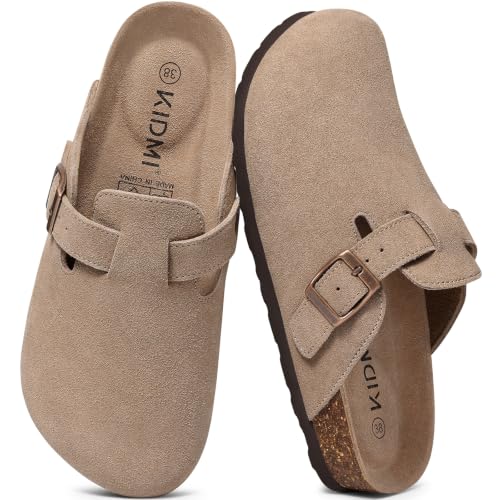
KIDMI Genuine Suede Clogs for Women Men Cork Footbed Mules Potato Shoes | Arch Support, Comfortable, Leather Slip On, Fall, Casual, Indoor Outdoor, Non-slip Rubber Sole, Adjustable Metal Buckle
Check price on Amazon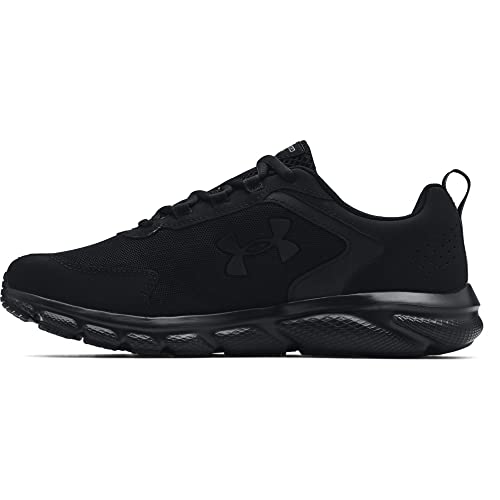
Under Armour Men's Charged Assert 9DISC, Black (003)/Black, 10.5 M US
Check price on Amazon
adidas Men's Daily 4.0, Olive Strata/Shadow Olive/Gum, 10.5 | Casual Shoes, Skateboarding Shoes, Low-Cut, Regular Fit, Lace-Up, For Skateboarding and Everyday Wear
Check price on Amazon
ODOLY Genuine Suede Clogs for Women Men Comfort Cork Footbed Potato Shoes | Unisex Lightweight Slip-On Leather Mules with Arch Support, Adjustable Buckle, Indoor Outdoor Footwear Taupe39
Check price on Amazon