
Workout Sneakers: The Complete Buying Guide
Everything you need to know before buying workout sneakers for the gym, lifting, HIIT, and cross-training. Find the perfect pair for your fitness routine.
START READINGShoesTruth Philosophy: Workout sneakers are not one-size-fits-all. The right pair depends on your training style, foot shape, and fitness goals. This guide will help you cut through the marketing noise and choose with confidence.
Why Workout Sneakers Matter More Than You Think
Walk into any gym and you will see a sea of different shoes — from chunky running sneakers to flat-soled trainers to minimalist barefoot-style shoes. Each pair tells a story about the wearer's training style, and each serves a very different purpose. Choosing the wrong workout sneakers can lead to unstable lifts, foot fatigue, ankle rolls, and even long-term joint pain.
Workout sneakers are engineered specifically for the multi-directional, stop-and-go, and weight-bearing demands of gym training. Unlike running shoes, which are built for linear forward motion, workout sneakers prioritize arch support, lateral stability, and durable traction. If you have ever tried to do a heavy squat in soft running shoes, you already know how unstable that feels.
This guide breaks down everything you need to know: the different categories of workout sneakers, the features that actually matter, how to find the right fit, and how to care for your shoes so they last. By the end, you will be ready to make a confident purchase — whether you are a beginner or a seasoned gym-goer.
If you are also looking for supportive footwear for daily wear or standing all day, you might want to explore sneakers with good arch support for plantar fasciitis or comfortable shoes for standing and walking all day.
Types of Workout Sneakers: Which One Is Right for You?
Not all gym shoes are created equal. Here are the main categories you will encounter and what each is designed to do.
Cross-Training Shoes
The most versatile option. Built with a stable heel, moderate cushioning, and durable outsole for lifting, HIIT, and short cardio bursts. Perfect if you do a bit of everything.
Weightlifting Shoes
Features a hard, flat sole and elevated heel for maximum stability under heavy loads. Ideal for squats, deadlifts, and Olympic lifts. Not meant for running or long cardio.
Running Sneakers
Designed for forward motion with soft cushioning and breathable uppers. Great for treadmill and outdoor runs, but too unstable for heavy lifting. See our running shoes with arch support and wide toe box.
HIIT & Functional Training Shoes
Lightweight, flexible, and responsive with good grip for jumping, lateral movements, and bodyweight circuits. A solid choice for bootcamps and group classes.
Minimalist & Barefoot Shoes
Zero drop, minimal cushioning, and a wide toe box to let your feet move naturally. Great for balance work and foot strengthening, but requires a gradual transition.
Walking & Standing Shoes
If your workout is mostly walking or being on your feet, prioritize cushioning and support. Explore shoes that are good for standing and walking all day.
If you are looking for a shoe that works for both the gym and everyday wear, a quality cross-trainer or a supportive sneaker with arch support is usually the best starting point.
Key Features to Look For in Workout Sneakers
When you are comparing options, focus on these six features. They separate a shoe that supports your training from one that holds you back.
1. Stability and Heel Support
A firm heel counter and a stable base are non-negotiable for lifting and lateral movements. Look for shoes with a wide platform and a rigid heel cup. If you have flat feet or overpronate, a stability shoe can help — see our guide on running shoes for overpronation and flat feet.
2. Cushioning vs. Firmness
Soft cushioning feels great for running and jumping, but it is a liability under heavy weights. The ideal workout sneaker balances cushioning in the forefoot with firmness in the heel. If you need extra comfort for long days, consider comfortable supportive shoes for standing all day.
3. Outsole Grip and Durability
Rubber outsoles with a multidirectional tread pattern provide grip on gym floors, turf, and pavement. Flat, non-marking soles are best for indoor gyms. If you train in slippery environments, look for slip-resistant shoes (though these are designed for work, not gym).
4. Breathability and Materials
Mesh uppers keep your feet cool and dry during intense sessions. Leather and synthetic overlays add durability but reduce breathability. If you tend to sweat a lot, prioritize mesh-heavy designs.
5. Fit and Toe Box
Your toes should have room to spread. A toe box that is too narrow causes blisters, bunions, and toe pain. If you have wide feet, look for women's shoes with arch support and wide toe box or walking shoes with wide toe box and arch support.
6. Weight and Flexibility
Lighter shoes reduce fatigue during long sessions, but ultra-light shoes often sacrifice stability. For most gym-goers, a mid-weight shoe (around 10–12 oz) offers the best balance.
Workout Sneakers Comparison: Which Type Suits Your Training?
Use this quick-reference table to match your primary activity with the right shoe category.
| Training Style | Recommended Shoe Type | Key Feature | Typical Price Range |
|---|---|---|---|
| Heavy Lifting / Powerlifting | Weightlifting Shoes | Hard, flat sole + elevated heel | $80–$200 |
| CrossFit / HIIT | Cross-Training Shoes | Stable heel + flexible forefoot | $70–$160 |
| Treadmill / Outdoor Running | Running Sneakers | Cushioning + breathable mesh | $70–$180 |
| Group Classes / Bootcamp | Functional Training Shoes | Lightweight + responsive grip | $60–$140 |
| Balance / Foot Strengthening | Minimalist Shoes | Zero drop + wide toe box | $50–$130 |
| All-Day Standing / Walking | Supportive Walking Shoes | Arch support + cushioning | $60–$150 |
If you are specifically looking for shoes for standing on hard surfaces, see our guide on comfortable shoes for standing on concrete all day or comfortable shoes for working on your feet all day.
Best Workout Sneakers for Gym & Training
⚠️ AFFILIATE DISCLOSURE: This website contains affiliate links. As an affiliate Associate, we earn from qualifying purchases. If you make a purchase through these links, we may receive a small commission at no additional cost to you. Read our full affiliate policy.

adidas Men's Lite Racer Adapt 7.0, Black/Grey/Grey, 12
Check price on Amazon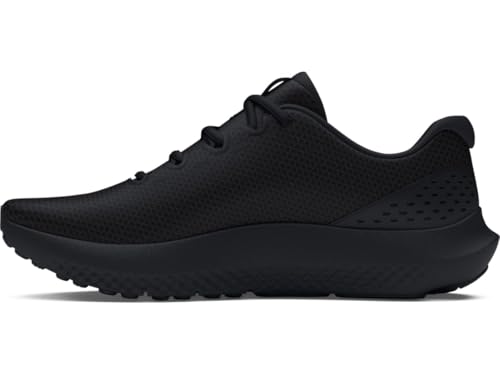
Under Armour Men's Charged Surge 4, 002 Black, 10
Check price on Amazon
New Balance Women's 608 V5 Casual Comfort Cross Trainer, White/Light Blue, 7.5 Wide
Check price on Amazon
Abboos Womens Sneakers Running Sport Shoe Fashion Workout Shoes A Black
Check price on Amazon
BAASPLOA Women's Chunky Fashion Sneakers Gym Workout Tennis Shoes B-Grey
Check price on Amazon
New Balance Women's Fresh Foam Arishi V4 Running Shoe, Summer Fog/Nimbus Cloud/Light Gold Metallic, 7
Check price on Amazon
SDYJQS Black Sneakers for Womens Non Slip Tennis Runnning Shoes Black,7
Check price on Amazon
YRLTYO Mens Tennis Shoes Running Sneaker Slip On Walking Shoe Black Size 10
Check price on AmazonHow to Choose the Right Workout Sneakers
With so many options on the market, it helps to follow a simple decision process. Here is a step-by-step approach that works for almost everyone.
Step 1: Identify Your Primary Activity
What do you spend most of your gym time doing? If you lift heavy, prioritize stability. If you run, prioritize cushioning. If you do a mix, a cross-trainer is your best bet. Be honest about your actual routine, not your ideal one.
Step 2: Know Your Foot Type
Do you have flat feet, high arches, wide feet, or narrow heels? Your foot shape determines which shoes will feel comfortable. People with plantar fasciitis should look for shoes with good support for plantar fasciitis or running shoes that help with plantar fasciitis.
Step 3: Get Measured Properly
Your shoe size changes over time, and many people wear the wrong size. Measure your feet at the end of the day when they are at their largest. If you are between sizes, size up for workout shoes to prevent toe jam. For more detail, see our fit measurement guide.
Step 4: Try Before You Buy
If possible, try shoes on in person and perform the movements you will do in the gym — squat, jump, lunge. If you buy online, choose retailers with free returns and wear them indoors first.
Step 5: Break Them In Gradually
Even the best shoes need a break-in period. Start with shorter, lower-intensity sessions before jumping into your full routine. This is especially important for minimalist and barefoot shoes. See our break-in guide for tips.
How to Care for Your Workout Sneakers
Workout sneakers take a beating. With proper care, you can extend their lifespan and keep them performing at their best.
- Air them out: After every workout, remove insoles and let shoes air dry away from direct heat. Never put them in the washing machine unless the manufacturer says it is safe.
- Clean regularly: Wipe down uppers with a damp cloth and mild soap. For mesh shoes, use a soft brush. Check our mesh cleaning guide for details.
- Rotate pairs: If you train frequently, rotate between two pairs. This gives each pair time to decompress and dry out.
- Replace insoles: If your insoles wear out before the shoes do, consider replacing them with supportive insoles or orthotics.
- Know when to replace: Most workout sneakers last 300–500 miles or 6–12 months of regular use. Replace when cushioning feels flat or tread is worn.
For more shoe care tips, explore our shoe care and repair hub.
Common Mistakes When Buying Workout Sneakers
Avoid these pitfalls to save money, time, and discomfort.
- Buying based on looks alone: A stylish shoe that does not fit your training style will hurt your performance and your feet.
- Using running shoes for lifting: Soft, cushioned soles are unstable under heavy loads. Use dedicated lifting or cross-training shoes.
- Ignoring width: A shoe that is too narrow causes blisters, bunions, and toe pain. If you have wide feet, look for women's shoes with wide toe box and narrow heel.
- Wearing old shoes too long: Worn-out midsoles lose their shock-absorbing properties, increasing injury risk.
- Not testing return policies: Always check the return window before buying online.
Ready to Find Your Perfect Workout Sneakers?
Browse our top recommended picks for gym, lifting, and cross-training. Each pair is selected for performance, comfort, and value.
SEE RECOMMENDED SHOESFrequently Asked Questions About Workout Sneakers
What are the best workout sneakers for lifting weights?
The best workout sneakers for lifting weights have a firm, flat sole with minimal cushioning and a wide, stable base. Shoes with hard rubber outsoles and a low heel-to-toe drop provide the stability needed for squats, deadlifts, and heavy lifts.
Can I use running shoes for workout training?
Running shoes are designed for forward motion and have soft, cushioned soles that can be unstable during lateral movements and heavy lifting. For general gym workouts, cross-training shoes offer better versatility, stability, and lateral support.
How often should I replace my workout sneakers?
Workout sneakers typically last between 300 to 500 miles of use, or about 6 to 12 months for regular gym-goers. Replace them when the midsole cushioning feels flat, the outsole tread is worn down, or you experience new foot, knee, or hip discomfort.
What features should I look for in workout sneakers?
Look for a stable heel counter, breathable mesh upper, durable rubber outsole, appropriate cushioning for your activity, a secure lacing system, and a fit that leaves about a thumb's width of space in the toe box.
Are expensive workout sneakers worth it?
Not always. Price often reflects brand name and marketing more than performance. Many mid-range shoes ($70–$120) outperform premium options for most gym-goers. Focus on fit, features, and your specific training needs rather than price alone.
Final Thoughts
Choosing the right workout sneakers is one of the most impactful decisions you can make for your fitness routine. The right pair improves stability, reduces injury risk, and makes every session more enjoyable. The wrong pair can cause pain, limit performance, and even lead to long-term issues.
Use this guide as your roadmap. Identify your primary activity, understand your foot type, prioritize fit and function over hype, and do not be afraid to invest in a quality pair that matches your needs. Your feet — and your workouts — will thank you.
If you are still exploring options, check out our recommendations above or explore related guides on sneakers with arch support and comfortable work sneakers for standing all day.