
Rock Climbing Shoes: Your Ultimate Buying Guide
Stop slipping and start sending. Discover how to choose the perfect rock climbing shoes for your foot shape, climbing style, and experience level. From beginner to expert, we break down the jargon so you can buy with confidence.
Start Your ClimbWhy Your Climbing Shoes Matter More Than Any Other Gear
In rock climbing, your shoes are your most critical piece of equipment. They are the direct interface between you and the rock or plastic hold. Unlike running shoes that prioritize cushioning, or comfortable sandals built for relaxation, climbing shoes are designed for precision, friction, and power transfer. The right pair can mean the difference between sending a project and falling repeatedly.
The global climbing shoe market is expected to grow significantly as the sport gains mainstream popularity. With so many options—from flat, neutral shoes for beginners to aggressively downturned shoes for elite bouldering—understanding the key features is essential. This guide will walk you through everything you need to know.
Anatomy of a Rock Climbing Shoe
Before you buy, it helps to understand the components that make a climbing shoe work. Here are the key parts:
1. The Upper
This is the material that wraps your foot. Common materials include:
- Leather: Breathable and molds to your foot over time. Unlined leather stretches the most.
- Synthetic: Minimal stretch, easy to clean, and often vegan-friendly. Great for gym climbing.
- Lined Leather: Offers the best of both worlds—some molding with less stretch.
2. The Sole
The sole is where the magic happens. It consists of:
- Rubber: The sticky compound that grips the rock. Softer rubber is grippier but wears faster; harder rubber is durable but less sticky. For more on durable footwear, see our guide to waterproof footwear.
- Midsole: A stiff layer under the foot that provides support and edging power. Softer midsoles offer more sensitivity; stiffer midsoles offer more support.
3. The Shape
Climbing shoes come in three main shapes:
- Flat (Neutral): Best for beginners and all-day comfort. Ideal for slab climbing and crack climbing.
- Moderate (Slight Downturn): A versatile all-rounder for vertical routes and gym climbing.
- Aggressive (Severe Downturn): For steep overhangs and bouldering. These shoes focus power on your toes.
The shape of your foot matters too. If you have a wide forefoot, look for shoes designed for bunion-wide shoes or those with a wider last.
How Should Climbing Shoes Fit? (The Truth)
The fit of climbing shoes is very different from your everyday gents shoes or womens flats. They are meant to be tight, but not painfully so. Here is a simple rule: Your toes should be flat or slightly curled, but not jammed.
For beginners, comfort is king. You want a snug fit with no dead space, but you should be able to wear them for 30-45 minutes without wanting to scream. For performance, a more aggressive fit with curled toes is common, but this should only be used for short, intense climbs.
Pro Tip: Always try on climbing shoes at the end of the day when your feet are slightly swollen. Wear the same thin socks you plan to climb in, or go barefoot. Remember that leather shoes will stretch, sometimes up to a full size.
If you have specific foot issues like flat feet, you might need to look for shoes that accommodate orthopedic insoles for high arches or other support. However, most climbers remove the stock insole for a more precise fit.
Types of Climbing Shoes by Discipline
1. Gym & Beginner Shoes (Flat/Neutral)
These are the most comfortable and affordable. They are perfect for learning technique and building foot strength. Price range: $70–$120.
If you're new to the sport, you might also be interested in other athletic footwear like cross training shoes or gym trainers for your warm-up.
2. All-Around & Sport Climbing Shoes (Moderate)
These shoes offer a balance of comfort and performance. They are great for vertical routes, gym climbing, and multi-pitch trad routes. Price range: $120–$180.
3. Bouldering & Steep Sport (Aggressive)
These are highly downturned and asymmetric, designed for steep overhangs and powerful moves. They are not meant for all-day comfort. Price range: $150–$220.
For those who enjoy other extreme sports, you might also like curling shoes or spiked golf shoes.
4. Crack Climbing Shoes
These feature a flatter profile and often have a lace-up design for a customizable fit. They protect your feet in cracks and offer good support. Price range: $130–$190.
Key Features to Compare Before Buying
When comparing shoes, pay attention to these details:
- Closure System: Velcro is fast and convenient; laces offer a precise fit; slippers are the most sensitive.
- Rubber Type: Softer rubber (e.g., Vibram XS Grip 2) is stickier for smearing; harder rubber (e.g., XS Edge) is better for edging.
- Asymmetry: More asymmetry means more power on your big toe, ideal for precision.
- Heel Hook: Look for a snug heel with a rubber rand for hooking.
- Toe Patch: A rubber patch on top of the toes helps with toe hooks and scumming.
If you are looking for other specialized footwear, you might find our guides on futsal shoes or softball cleats helpful.
Top-Rated Rock Climbing Shoes to Consider
⚠️ AFFILIATE DISCLOSURE: This website contains affiliate links. As an affiliate Associate, we earn from qualifying purchases. If you make a purchase through these links, we may receive a small commission at no additional cost to you. Read our full affiliate policy.

La Sportiva Mens Tarantulace Rock Climbing Shoe, Olive/Tiger, 10.5 | EU 43.5 Equivalent Size, Introductory Indoor/Outdoor Shoe, Premium Comfort, Higher Volume, Easy On/Off, Lace-Up Closure
Check price on Amazon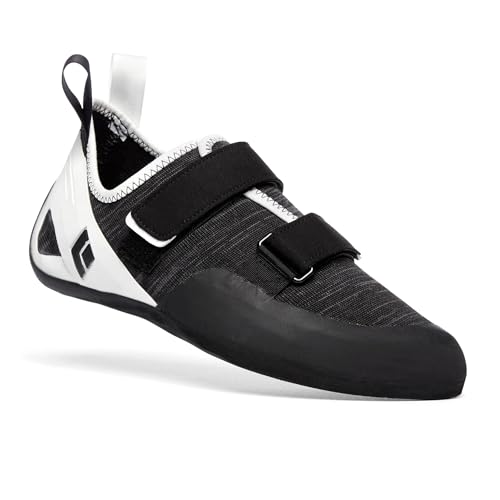
BLACK DIAMOND Men's Momentum Climbing Shoes, Strap, White-Black, 11.5 | Engineered Knit upper, sticky rubber for edging and smearing, neutral last for gym, bouldering, sport routes, and crag days
Check price on Amazon
La Sportiva Womens Tarantulace Rock Climbing Shoe, Topaz/Red Plum, 7.5 | EU 38.5 Equivalent Size, Introductory Indoor/Outdoor Shoe, Premium Comfort, Higher Volume, Easy On/Off, Lace-Up Closure
Check price on Amazon
CLIMBX Ravestrap Climbing Shoe, Phantom Black
Check price on Amazon
Climbing Shoes Mens Rock Climbing Shoes with Dual Hook-and-Loop | Introductory Indoor/Outdoor Shoe, Premium Comfort, Easy On/Off, Hook-and-Loop
Check price on Amazon
La Sportiva Men's Tarantula Rock Climbing Shoes, Black/Poppy, 10.5-11 US, 44 EU
Check price on Amazon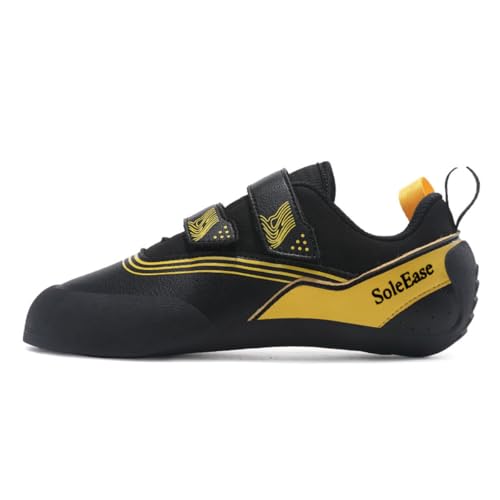
SoleEase All-Around Men & Women Climbing Shoes for Sport Climbing and Bouldering (902Yellow,37)
Check price on Amazon
BLACK DIAMOND Women's Momentum Rock Climbing Shoes, Strap, Black-Alloy, 10 | Engineered Knit upper, sticky rubber for edging and smearing, neutral last for gym, bouldering, sport routes, and crag days
Check price on AmazonHow to Care for Your Rock Climbing Shoes
To extend the life of your shoes, follow these simple tips:
- Air them out: Never leave them in a hot car or a sealed bag. Let them dry naturally away from direct heat.
- Clean them: Use a damp cloth and mild soap to remove chalk and dirt. For leather shoes, use a leather conditioner sparingly.
- Resole them: Don't wait until you see the midsole. Resole when the rubber starts to wear thin to save money and extend the life of the shoe.
- Use a shoe tree: A shoe tree can help maintain shape, though it's less common for climbing shoes.
Proper care can make your climbing shoes last for years, even with frequent use. For more tips on maintaining other footwear, see our guide to shoe storage covers.
Frequently Asked Questions
Should I size down for climbing shoes?
Not necessarily. While some climbers size down for a performance fit, beginners should prioritize comfort. A shoe that is too tight can cause pain and foot deformities. The best approach is to try on multiple sizes and brands.
Can I use running shoes for climbing?
No. Running shoes like neutral running shoes or lightweight road running shoes are designed for forward motion, not for edging or smearing on rock. They lack the friction and support needed for climbing.
How often should I replace my climbing shoes?
It depends on how often you climb and the type of rock. Gym climbers might replace them every 6–12 months, while outdoor climbers might get 1–2 years. Resoling can extend their life significantly.
Are expensive climbing shoes worth it?
For beginners, a mid-range shoe is usually sufficient. As you advance, you'll appreciate the performance benefits of higher-end shoes. If you're looking for deals, check out our shoes on sale section.
Final Thoughts: Buy with Confidence
Choosing the right rock climbing shoes is a personal journey. What works for your climbing partner might not work for you. Focus on fit, comfort, and the type of climbing you do most. Don't be afraid to try on many pairs. A great pair of climbing shoes will not only improve your performance but also make the sport more enjoyable.
Whether you're a beginner looking for your first pair or an experienced climber seeking an upgrade, the information in this guide should help you make an informed decision. Remember to check out our recommended products above to find your perfect match.