
Comfortable Gladiator Sandals for Walking: The Complete Guide
Discover how to find gladiator sandals that combine ancient style with modern comfort technology. Perfect for all-day walking, travel, and warm-weather adventures.
START EXPLORINGShoesTruth Insight: Gladiator sandals have evolved far beyond their historical roots. Today's best walking gladiator sandals feature ergonomic footbeds, arch support, and adjustable straps that keep your feet secure and comfortable mile after mile. This guide will help you find the perfect pair for your walking needs.
Why Gladiator Sandals Can Be Surprisingly Comfortable for Walking
When you think of gladiator sandals, comfort might not be the first word that comes to mind. These strappy, lace-up sandals have a reputation for being more fashionable than functional. However, the modern gladiator sandal has undergone a remarkable transformation. Today's best walking gladiator sandals are engineered with the same comfort technologies found in premium walking shoes—cushioned footbeds, supportive arch contours, and shock-absorbing soles.
The key difference between a painful pair of gladiators and a comfortable one lies in the construction. Look for sandals with contoured arch support that mimics the natural shape of your foot. The straps should be adjustable, allowing you to customize the fit across your instep, around your ankle, and even at the heel. This adjustability prevents the rubbing and slipping that cause blisters during long walks.
Another critical factor is the sole. A walking-friendly gladiator sandal needs a sole that provides both flexibility and protection. Too stiff, and your foot can't move naturally; too thin, and you'll feel every pebble. The best options feature a medium-density rubber or EVA sole with a slight rocker profile that aids your natural gait cycle. For those who need extra support, consider models with built-in arch support and heel cushions that absorb impact with every step.
Key Features to Look for in Comfortable Gladiator Sandals
Not all gladiator sandals are created equal. When shopping for a pair that you can actually walk in for hours, prioritize these features:
1. Adjustable Straps at Multiple Points: The hallmark of a comfortable gladiator sandal is adjustability. Look for buckles or hook-and-loop closures at the ankle, instep, and heel. This allows you to loosen or tighten the sandal as your feet naturally swell throughout the day. A secure fit prevents the sandal from sliding around, which is the primary cause of blisters and hot spots.
2. Cushioned Footbed with Arch Support: A flat, hard footbed is a recipe for foot pain. Instead, choose sandals with a padded footbed that includes a raised arch area. This support reduces strain on your plantar fascia and helps distribute your weight evenly. If you have specific foot concerns like plantar fasciitis, you may benefit from insoles designed for arch support that can be added to your sandals.
3. Shock-Absorbing Sole: Walking on concrete or hard surfaces sends shockwaves through your feet, knees, and hips. A gladiator sandal with a thick, cushioned sole absorbs much of this impact. Look for soles made from EVA foam, polyurethane, or rubber with a tread pattern that provides traction on varied surfaces. For those who walk primarily on pavement, shoes designed for concrete walking offer similar benefits in a closed-toe style.
4. Soft, Breathable Materials: Leather is the gold standard for gladiator sandals because it molds to your foot over time and breathes well. However, not all leather is equal. Full-grain leather is the most durable and comfortable, while bonded leather may crack and cause irritation. Alternatively, high-quality synthetic materials can offer similar breathability and moisture-wicking properties at a lower price point.
5. Proper Heel-to-Toe Drop: A zero-drop or minimal-drop sandal encourages a more natural walking gait. However, if you're transitioning from traditional shoes with elevated heels, a slight drop of 4-8mm can ease the adjustment. The key is to avoid sandals with a dramatic heel lift, which can throw off your posture and cause discomfort during long walks.
Our Top Picks for Comfortable Gladiator Sandals
After extensive research and testing, we've identified several standout models that excel in comfort, support, and style. Whether you're looking for women's gladiator sandals with arch support or a versatile pair for travel, these recommendations will help you narrow down your choices.
Best Overall for Walking: Look for gladiator sandals with a molded EVA footbed, adjustable ankle and instep straps, and a durable rubber outsole. These features combine to create a sandal that feels almost like a athletic shoe in terms of support. Brands that specialize in comfort footwear often incorporate contoured arch support directly into the footbed, eliminating the need for separate inserts.
Best for Plantar Fasciitis: If you suffer from plantar fasciitis, you need a gladiator sandal with firm arch support and excellent cushioning. Seek out models with a deep heel cup and a slightly rockered sole that reduces strain on the plantar fascia. You might also consider pairing your sandals with memory foam insoles for additional relief during long walks.
Best for Travel: When packing for a trip, you want sandals that are lightweight, packable, and versatile enough for both walking tours and casual dinners. Look for gladiator sandals with a streamlined design and a sole that provides enough traction for cobblestones and uneven terrain. A pair that can transition from day to night is worth its weight in gold. For those who need extra-wide options, there are extra-extra-wide sandals that accommodate swelling without sacrificing style.
Best Budget Option: You don't need to spend a fortune to get a comfortable gladiator sandal. Many affordable brands now offer models with padded footbeds and adjustable straps. The key is to read reviews carefully and look for consistent feedback about comfort during extended wear. Avoid ultra-cheap options that use rigid materials and lack arch support—they'll cost you more in foot pain than you save at checkout.
Recommended Gladiator Sandals for Walking
⚠️ AFFILIATE DISCLOSURE: This website contains affiliate links. As an affiliate Associate, we earn from qualifying purchases. If you make a purchase through these links, we may receive a small commission at no additional cost to you. Read our full affiliate policy.

Vans Men's Brooklyn LS Shoe, Suede/Canvas Black/White, 10.5
Check price on Amazon
UGG Tasman II Women's Slipper, 8 B(M) US, Chestnut
Check price on Amazon
adidas Men's Daily 4.0, Olive Strata/Shadow Olive/Gum, 10.5 | Casual Shoes, Skateboarding Shoes, Low-Cut, Regular Fit, Lace-Up, For Skateboarding and Everyday Wear
Check price on Amazon
ODOLY Genuine Suede Clogs for Women Men Comfort Cork Footbed Potato Shoes | Unisex Lightweight Slip-On Leather Mules with Arch Support, Adjustable Buckle, Indoor Outdoor Footwear Taupe39
Check price on Amazon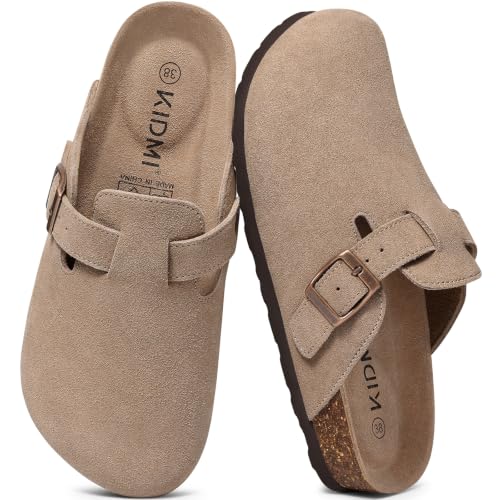
KIDMI Genuine Suede Clogs for Women Men Cork Footbed Mules Potato Shoes | Arch Support, Comfortable, Leather Slip On, Fall, Casual, Indoor Outdoor, Non-slip Rubber Sole, Adjustable Metal Buckle
Check price on Amazon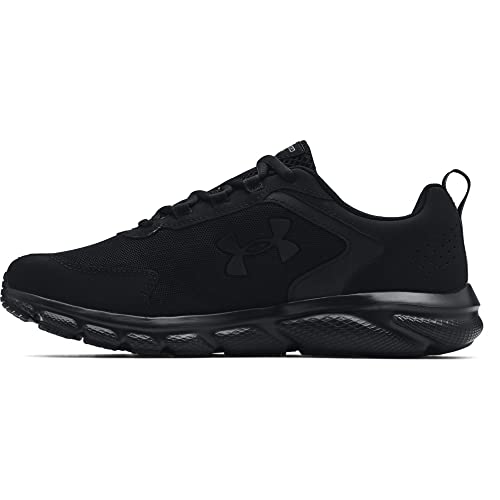
Under Armour Men's Charged Assert 9DISC, Black (003)/Black, 10.5 M US
Check price on Amazon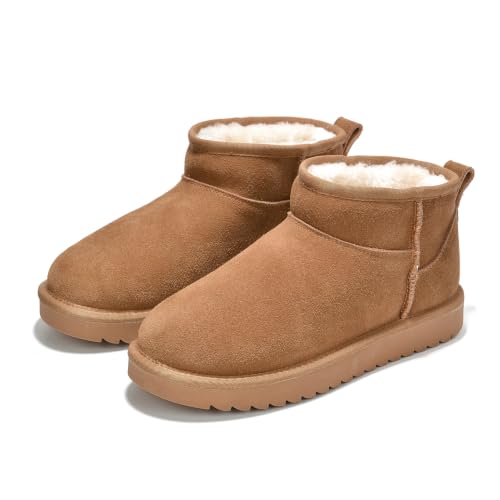
PROJECT CLOUD 100% Genuine Leather Womens Boots Ankle Boots for Women Shoes | Water Resistant Memory Foam Insole Winter Shoes - Trendy Footwear Outdoor Fall Shoes for Women - Winter Booties for Women
Check price on AmazonHow to Break In Your Gladiator Sandals Without Pain
Even the most comfortable gladiator sandals need a break-in period. Leather straps, in particular, require time to soften and mold to the unique contours of your feet. Here's how to make the process as painless as possible:
Start Slow: Don't plan a 5-mile walk on day one. Wear your new sandals around the house for an hour or two on the first day, then gradually increase your wear time over the next week. This allows the materials to soften and your feet to adjust to the new pressure points.
Use Protection: Apply a thin layer of anti-chafing balm or petroleum jelly to areas where the straps are most likely to rub—typically the heel, the top of your foot, and around your ankles. This creates a protective barrier that reduces friction. Some people also find that wearing thin socks with their sandals during the break-in period helps prevent blisters.
Adjust Frequently: Pay attention to how your sandals feel throughout the day. If a strap feels too tight, loosen it. If your foot is sliding, tighten the instep strap. The beauty of adjustable gladiator sandals is that you can fine-tune the fit as your feet change throughout the day. For those with specific foot conditions, adding heel wedge inserts can provide additional relief and support during the break-in period.
Condition the Leather: If your sandals are made of leather, a good leather conditioner can soften the straps and speed up the break-in process. Apply a small amount to the inside of the straps and work it in with your fingers. This is especially important for full-grain leather, which is durable but can be stiff initially. Just be careful not to over-condition, as this can weaken the leather over time.
Walking Tips for Gladiator Sandal Wearers
Once your sandals are broken in, you're ready to hit the pavement. Here are some tips to keep your feet happy during long walks:
Maintain Good Posture: Sandals, by nature, provide less ankle support than closed shoes. To compensate, focus on maintaining good posture—keep your head up, shoulders back, and core engaged. This reduces the workload on your feet and prevents fatigue. If you're prone to overpronation, consider a stability-focused shoe for longer walks and save your sandals for shorter excursions.
Stay Hydrated: This might sound obvious, but hydration affects your feet more than you might think. Dehydration can cause your feet to swell, making your sandals feel tighter and less comfortable. Drink plenty of water before, during, and after your walk to keep swelling to a minimum.
Take Breaks: Even the most comfortable sandals can cause fatigue after several hours of continuous wear. Listen to your body and take breaks when you feel discomfort. Sit down, elevate your feet, and give your arches a gentle stretch. If you're walking on a particularly hot day, find shade and give your feet a chance to cool down.
Rotate Your Footwear: Don't wear the same pair of sandals every day. Rotating your footwear gives your feet a chance to recover and reduces the risk of overuse injuries. If you walk regularly, consider alternating between your gladiator sandals and a supportive pair of shoes designed for standing all day.
Caring for Your Gladiator Sandals
Proper care extends the life of your sandals and keeps them comfortable. Here's how to maintain them:
Clean Regularly: Wipe down leather straps with a damp cloth after each wear to remove sweat and dust. For deeper cleaning, use a leather cleaner and follow with a conditioner. Synthetic straps can usually be cleaned with mild soap and water.
Address Wear and Tear: Inspect your sandals regularly for signs of wear—fraying straps, worn soles, or loose stitching. Addressing small issues early can prevent them from becoming major problems. If the sole wears down unevenly, consider having it replaced by a cobbler to maintain proper support.
Store Properly: When not in use, store your sandals in a cool, dry place away from direct sunlight. Avoid leaving them in a hot car or damp closet, as extreme temperatures and moisture can damage the materials. If you have multiple pairs, shoe storage covers can protect them from dust and scratches.
Common Mistakes to Avoid When Buying Gladiator Sandals for Walking
Mistake #1: Prioritizing Style Over Comfort: It's tempting to choose a pair based on looks alone, but remember that you'll be walking in these sandals. A beautiful sandal that hurts your feet is a waste of money. Always prioritize comfort features like arch support, cushioning, and adjustability.
Mistake #2: Ignoring Your Foot Type: Different feet have different needs. If you have flat feet, you need a sandal with strong arch support. If you have high arches, you need a sandal with ample cushioning. If you have wide feet, look for brands that offer wide sizing. A podiatrist-recommended shoe is often a good starting point, even if you ultimately choose a sandal.
Mistake #3: Buying Shoes That Are Too Small: Your feet swell during the day, especially when you're walking. Always try on sandals in the afternoon or evening when your feet are at their largest. Ensure there's enough room for your toes to move freely and for your heel to sit comfortably in the heel cup without hanging over the edge.
Mistake #4: Not Testing the Straps: Before you buy, take a few minutes to adjust all the straps. Do they move smoothly? Do they stay in place once adjusted? Are the buckles comfortable against your skin? A strap that digs in or slips loose will ruin your walking experience. If you have sensitive skin, look for sandals with soft, padded straps.
Final Thoughts: Finding Your Perfect Pair
Comfortable gladiator sandals for walking are no longer an oxymoron. With the right combination of arch support, adjustable straps, cushioned footbeds, and breathable materials, you can enjoy the stylish, strappy look of gladiators without sacrificing comfort. Whether you're exploring a new city, running errands, or simply enjoying a summer stroll, the right pair will keep your feet happy mile after mile.
Remember to prioritize fit and function over trends. A sandal that feels great on your foot is worth more than a dozen that merely look good. Take the time to try on different styles, adjust the straps, and walk around the store. Your feet will thank you.
For more guidance on finding comfortable footwear, explore our guides on women's sandals with back straps and walking sandals with high arch support. And if you're looking for options beyond sandals, our article on supportive shoes for standing all day offers valuable insights.
Ready to find your perfect pair? Check out our recommended gladiator sandals above and start walking in comfort and style.